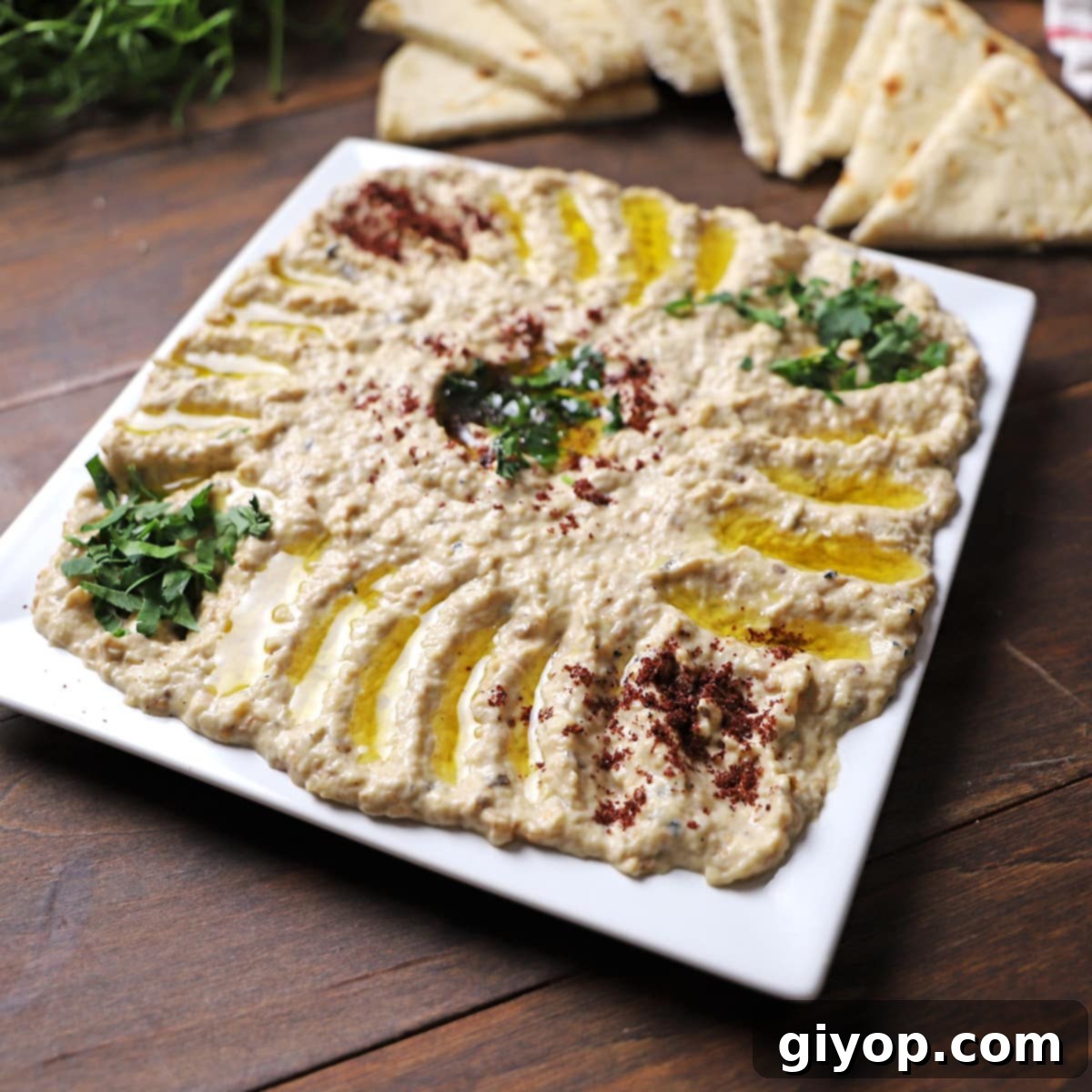
Discover the culinary delight of **Mutabal**, a staple in Middle Eastern cuisine that stands out among eggplant dips. Often confused with its popular cousin,
Baba Ghanoush, or the Greek Melitzanosalata, Mutabal possesses its own distinctive creamy texture and rich, smoky flavor profile. This guide will walk you through crafting an authentic Mutabal recipe, complete with expert tips, step-by-step instructions, and insights into its unique characteristics, ensuring your homemade dip is nothing short of spectacular. Prepare to elevate your appetizer game with this incredibly flavorful and surprisingly simple dish.
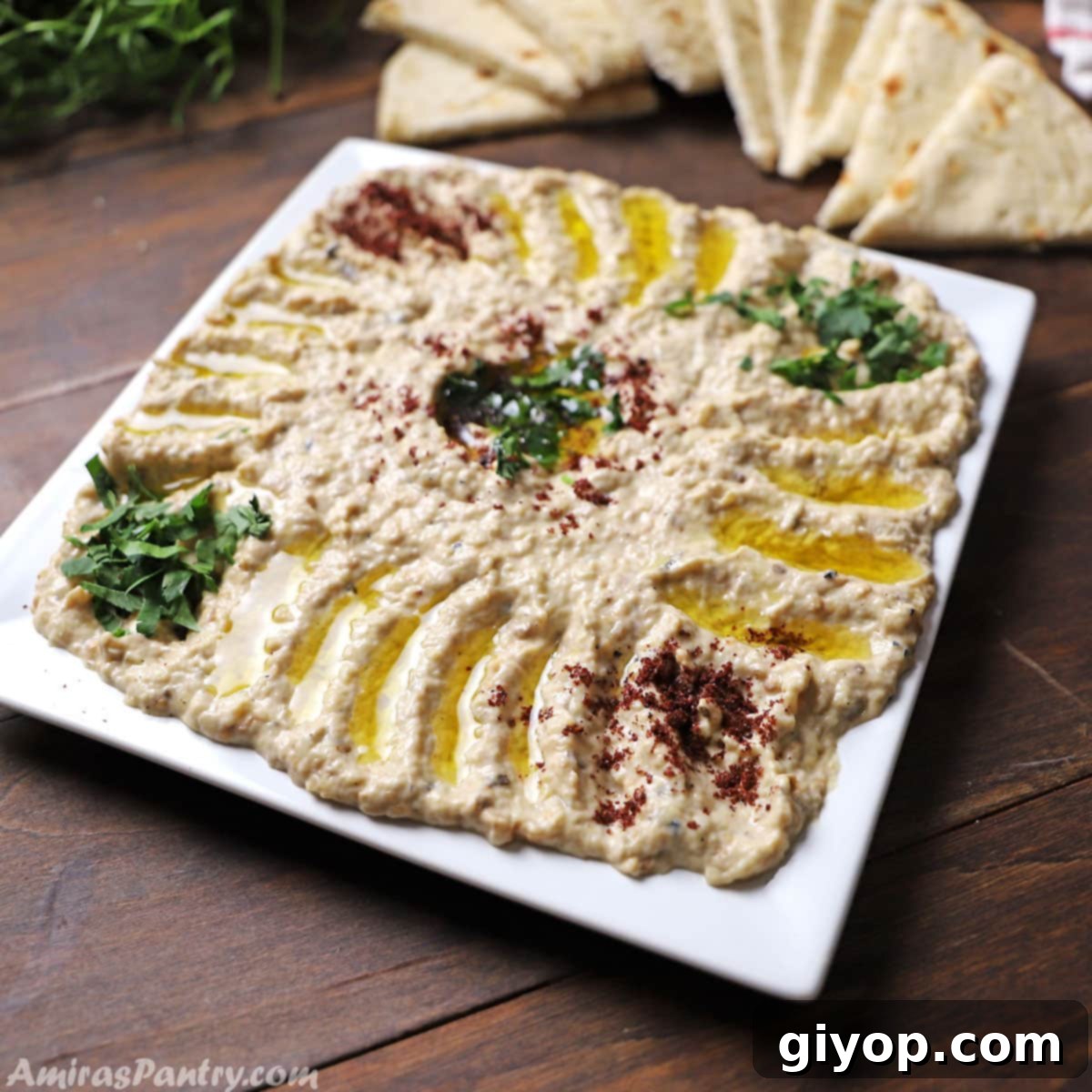
Why You’ll Love This Authentic Mutabal Recipe
This Mutabal recipe promises a truly unforgettable taste experience, primarily due to its signature smoky essence. We achieve this by grilling eggplants over an open flame, a traditional method that infuses the eggplant flesh with an unparalleled depth of flavor. Whether you have a gas stove, a charcoal grill, or even an outdoor gas grill, you can master this technique. Don’t worry if you don’t have access to open flame; we’ll also provide instructions for oven roasting, with a secret tip to replicate that beloved smoky taste.
Beyond its exquisite flavor, Mutabal is incredibly versatile. It serves as a fantastic appetizer for gatherings, a healthy snack, or a vibrant side dish to almost any meal. It’s naturally gluten-free and halal, making it suitable for various dietary needs. The combination of creamy tahini, tangy lime, and savory spices creates a perfectly balanced dip that’s both refreshing and satisfying. Plus, it’s surprisingly easy to prepare, requiring minimal effort for maximum flavor impact.
Essential Ingredients for Your Perfect Mutabal
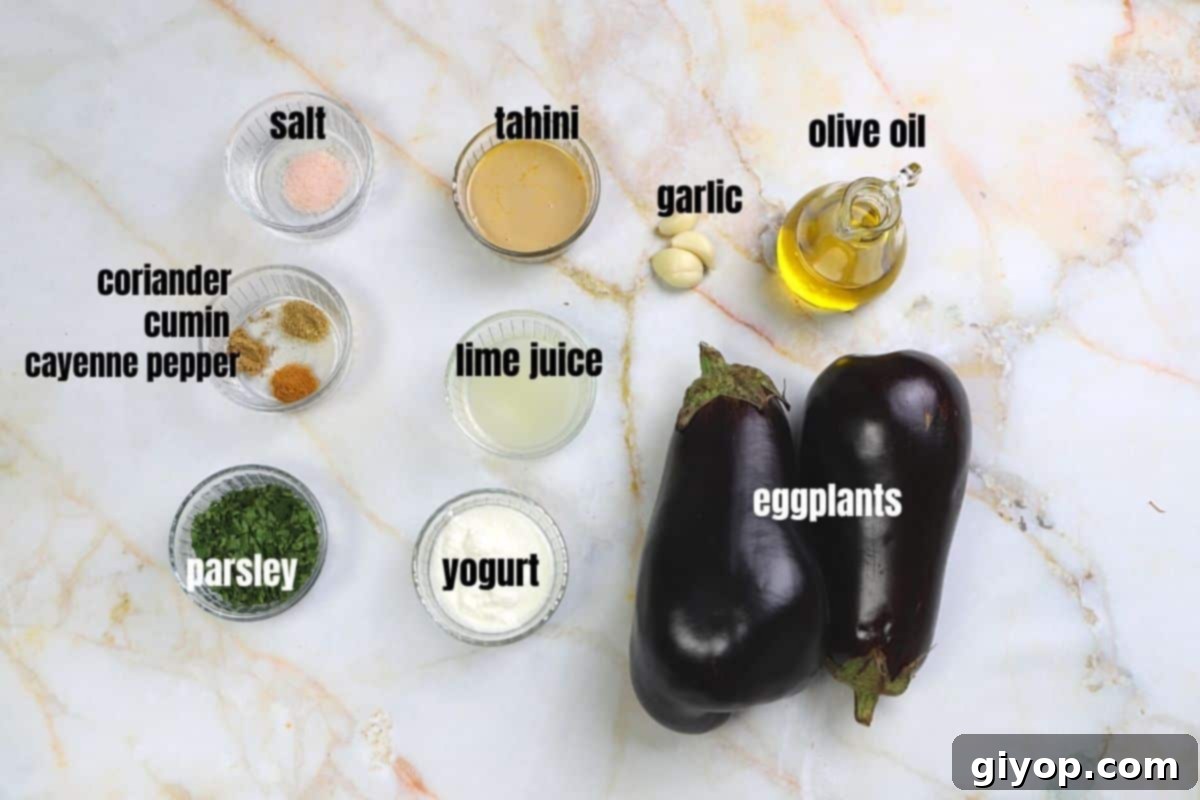
Creating a delicious Mutabal requires a few simple, fresh ingredients that come together to form a complex and satisfying dip. The quality of your ingredients directly impacts the final taste, so choosing wisely is key. Below is an overview of what you’ll need; precise measurements are provided in the comprehensive recipe card at the bottom of the page.
Ingredient Selection & Notes
- Eggplants: When selecting eggplants for Mutabal, opt for uniform, medium-sized ones. Larger eggplants often have more seeds and can be more bitter. Look for firm, shiny, smooth-skinned eggplants without any bruises or soft spots. The fresher the eggplant, the better the flavor and texture of your dip.
- Tahini Paste: Tahini is a crucial component, providing a rich, nutty base. Choose a good quality, smooth tahini paste made from hulled sesame seeds for the best flavor and creamy texture. Stir it well before using, as the oil often separates.
- Yogurt: Full-fat plain yogurt is highly recommended. It contributes to the luxurious creaminess and adds a subtle tang that balances the rich tahini and smoky eggplant. While low-fat versions can be used, they may result in a less satisfying texture and flavor. Greek yogurt can also work for an extra thick consistency.
- Lime Juice: Freshly squeezed lime juice is superior to bottled juice for this recipe. Its bright, zesty flavor cuts through the richness of the tahini and yogurt beautifully. While some recipes use vinegar, lime juice offers a more authentic and vibrant taste.
- Garlic: Fresh garlic cloves, minced or crushed, are essential for that characteristic aromatic kick. Adjust the amount to your preference.
- Spices: Ground coriander and cumin add warmth and depth to the dip. A pinch of cayenne pepper is optional for those who enjoy a subtle heat, enhancing the overall flavor without overpowering it.
- Garnish: Fresh parsley, pomegranate seeds, or a sprinkle of ground sumac are traditional and visually appealing garnishes. They add color, freshness, and an extra layer of flavor.
- Olive Oil: A drizzle of high-quality extra virgin olive oil before serving adds richness, sheen, and a pleasant peppery note, rounding out the flavors perfectly.
Step-by-Step Instructions for Creamy, Smoky Mutabal
Crafting Mutabal is a straightforward process, but paying attention to a few key steps will ensure a perfectly smoky and creamy dip every time. Follow these instructions closely for the best results. Detailed measurements and specific instructions are available in the recipe card below.
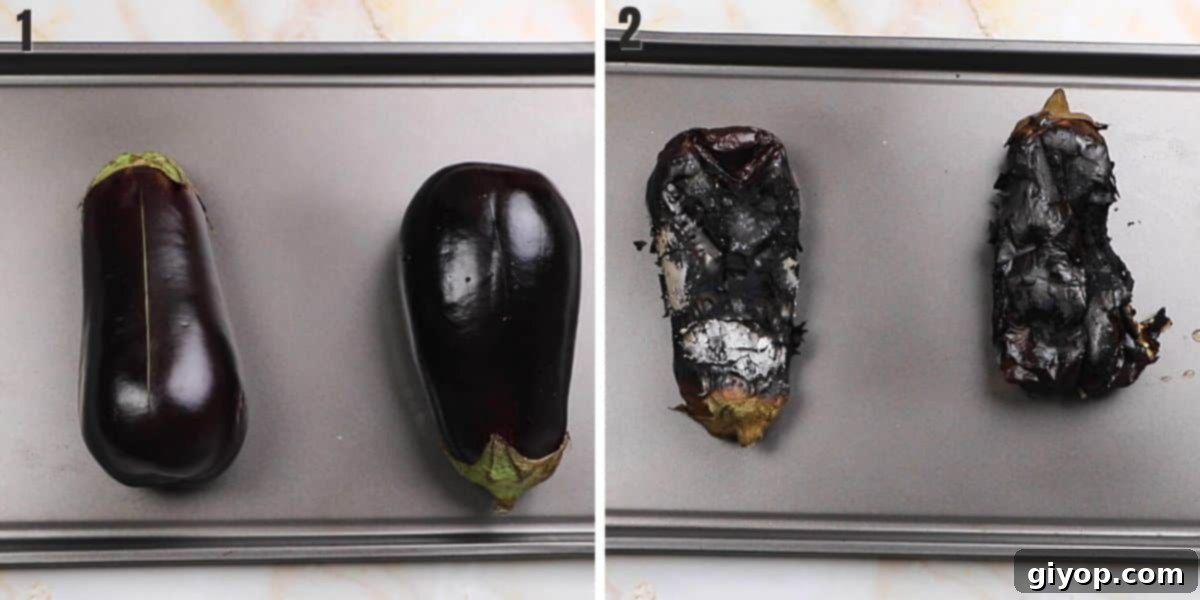
- Prepare the Eggplants: Begin by washing your eggplants thoroughly. To prevent them from bursting during roasting and to allow steam to escape, cut a slit lengthwise into each eggplant. This small step makes a big difference in even cooking and ease of peeling later.
-
Roast for Smoky Perfection: The heart of Mutabal’s flavor comes from properly roasted eggplants. You have several options for roasting:
- **Open Flame (Gas Stove or Charcoal Grill):** This is the preferred method for maximum smokiness. Place the prepared eggplants directly over an open gas burner (on medium-high heat) or on a hot charcoal grill. Turn them frequently using tongs until the skin is completely charred and wrinkled, and the flesh inside feels very soft and mushy when gently squeezed. This typically takes 15-25 minutes, depending on the heat and eggplant size.
- **Oven Roasting:** If an open flame isn’t available, preheat your oven to 450°F (230°C). Place the eggplants on a baking sheet lined with parchment paper. Roast for 30-40 minutes, flipping halfway through, until the skin is shriveled and the eggplants are completely tender. For a hint of smoky flavor, you can add a drop or two of liquid smoke (available in specialty stores) to the finished dip.
- Cool and Peel: Once roasted, immediately transfer the eggplants to a bowl and cover it tightly with plastic wrap or a plate. Let them cool down for about 10-15 minutes. This steaming process helps loosen the skin, making it incredibly easy to peel. Once cool enough to handle, carefully peel away the charred skin. Don’t worry about getting every tiny speck; a little char adds to the smoky flavor.
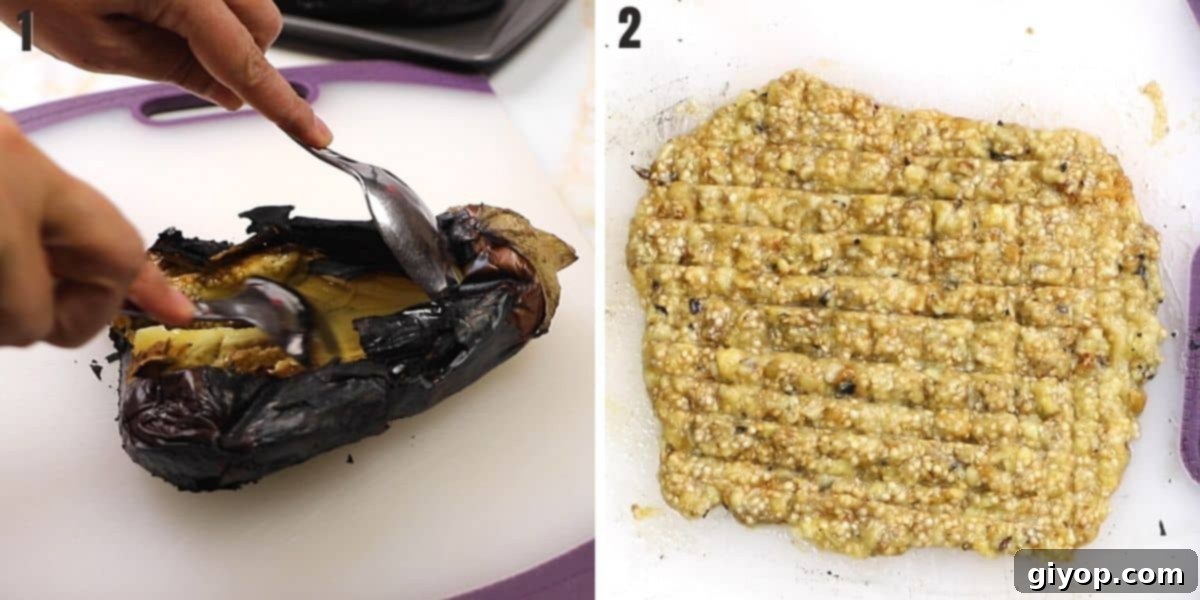
- Prepare the Eggplant Pulp: Scoop the tender eggplant flesh onto a cutting board. Using a sharp knife, finely chop the pulp. Traditionally, Mutabal is not puréed to a completely smooth consistency; a slightly rustic texture is often preferred. However, if you prefer a silkier dip, you can use a food processor, pulsing briefly to achieve your desired smoothness. Be careful not to over-process, as this can make the dip gluey.
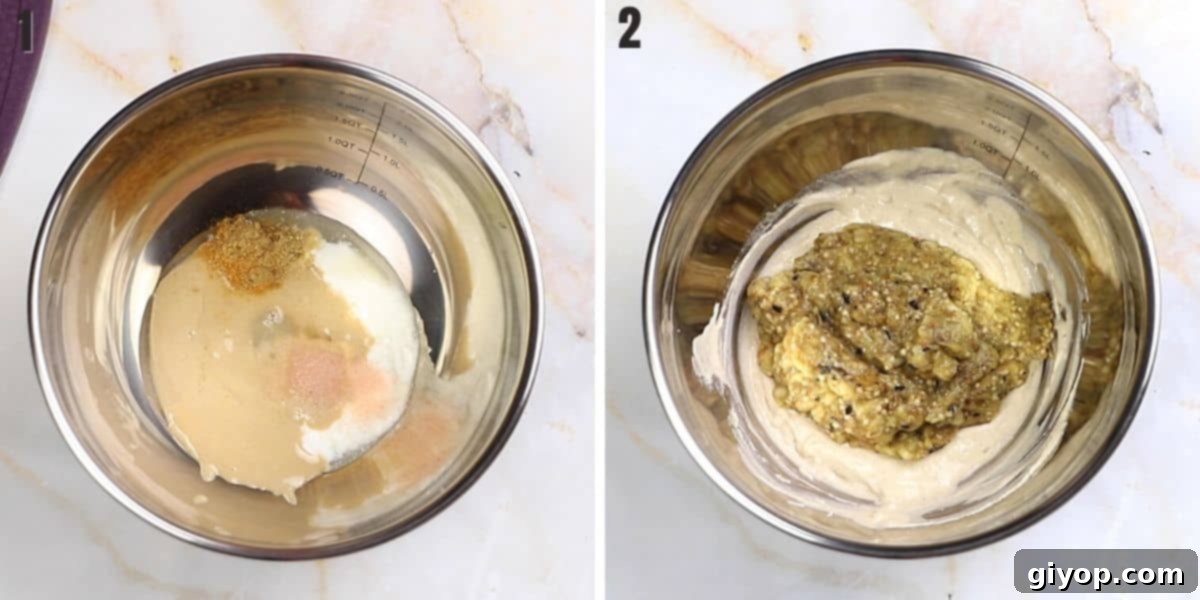
- Combine Ingredients: In a deep mixing bowl, whisk together the tahini paste, full-fat yogurt, freshly squeezed lime juice, minced garlic, ground coriander, and ground cumin. If using, add a pinch of cayenne pepper for a subtle kick. Mix thoroughly until all ingredients are well combined and smooth.
- Mix and Season: Add the chopped eggplant flesh to the tahini-yogurt mixture. Mix everything together gently but thoroughly. Taste and adjust seasoning as needed, adding more lime juice, salt, or spices to your preference. Remember, balance is key!
- Serve and Garnish: Transfer the prepared Mutabal to a shallow serving platter. Create a swirl on top with the back of a spoon. Drizzle generously with high-quality olive oil. Garnish with chopped fresh parsley, vibrant pomegranate seeds, or a sprinkle of ground sumac for both visual appeal and added flavor.
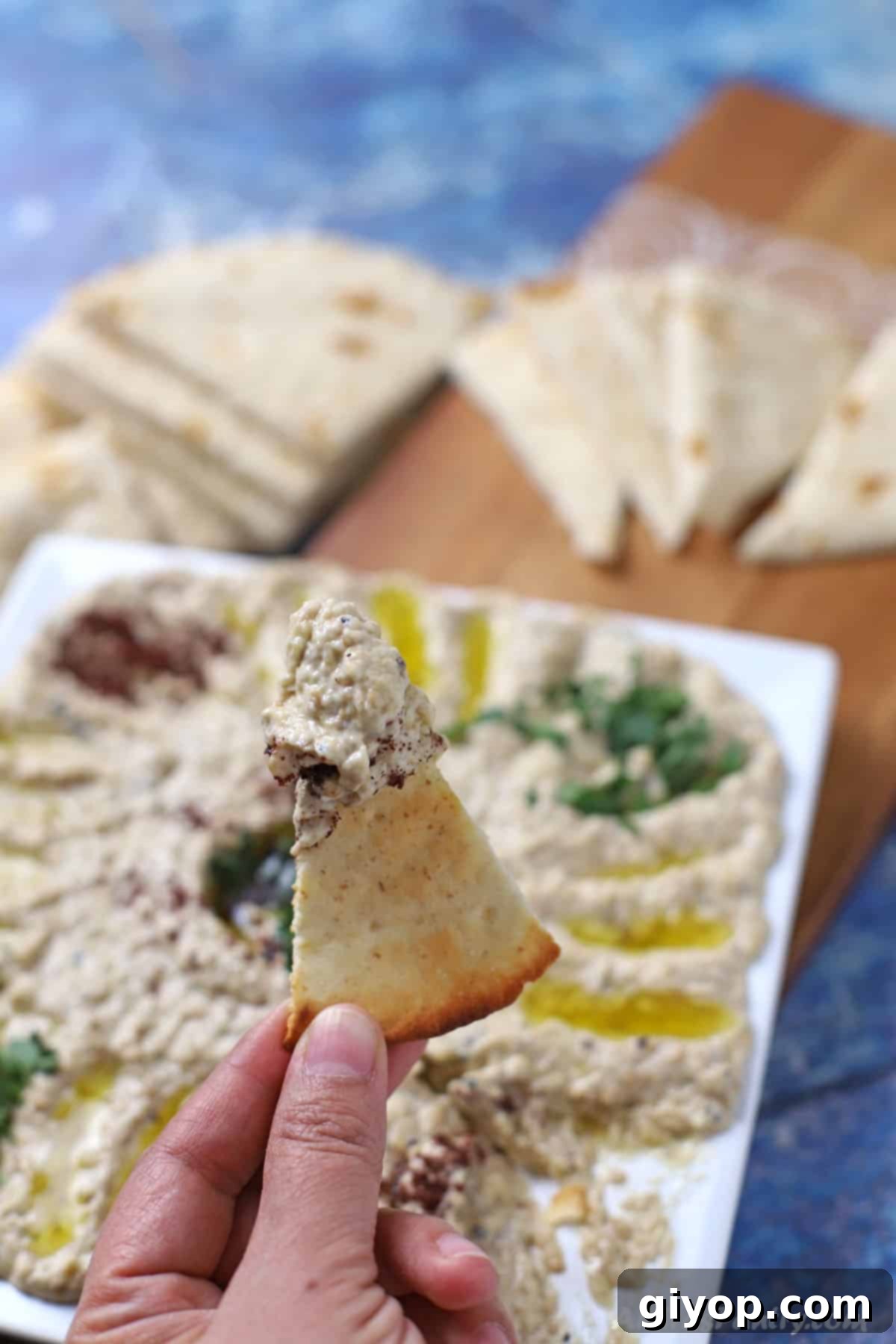
- Enjoy: Serve your homemade Mutabal chilled or at room temperature. It pairs wonderfully with warm pita bread, fresh vegetable sticks (cucumber, carrots, celery, bell peppers), or as a spread in sandwiches. It’s also an excellent accompaniment to grilled meats and fish.
Amira’s Expert Tips for the Best Mutabal
- Maximize Smokiness: As mentioned, roasting eggplant over an open flame is truly the best way to achieve that quintessential smoky flavor that defines authentic Mutabal. If you’re using an oven, consider charring the eggplants under a broiler for a few minutes after roasting, or adding a very small amount of liquid smoke to the finished dip. A little goes a long way!
- Yogurt Choice Matters: Always opt for full-fat plain yogurt. The higher fat content provides a richer, creamier texture and a more satisfying mouthfeel. Low-fat or fat-free yogurts tend to make the dip watery and lack the depth of flavor.
- Texture Preference: While traditional Mutabal has a slightly chunky, rustic texture from hand-chopped eggplant, don’t hesitate to use a food processor if you prefer a smoother dip. Just be careful not to over-blend; a few short pulses are usually enough to achieve a silken consistency without turning it into a paste.
- Seasoning is Key: Don’t be afraid to taste and adjust the seasoning throughout the process. The balance of tangy lime, creamy tahini, and savory spices is crucial. Add salt, pepper, or even a little more lime juice until it perfectly suits your palate.
- Fresh Ingredients: Using fresh lime juice and freshly minced garlic makes a significant difference. The vibrant flavors truly shine through.
Storage and Make-Ahead Mutabal Tips
Mutabal is a fantastic dip for meal prepping or making ahead, as its flavors tend to meld and deepen over time.
Store any leftover Mutabal in an airtight container in the refrigerator. Due to the dairy content (yogurt), it is best consumed within 3-4 days to ensure optimal freshness and safety. While it can last up to a week, the quality might start to decline slightly after 4 days.
Before serving leftovers, give the dip a good stir and a fresh drizzle of olive oil, and perhaps a sprinkle of fresh parsley, to revive its appearance and flavor. We do not recommend freezing Mutabal, as the texture of the eggplant and yogurt can change significantly upon thawing, becoming watery and grainy.
Frequently Asked Questions About Mutabal
While both Baba Ghanoush and Mutabal are beloved Middle Eastern eggplant dips featuring smoky eggplant flesh, they have distinct characteristics. Mutabal typically includes yogurt and often a higher proportion of tahini, resulting in a creamier, tangier, and often lighter-colored dip. Baba Ghanoush, on the other hand, usually omits yogurt and focuses on the smoky eggplant, tahini, lemon juice, and garlic, often presenting a slightly chunkier texture and a more intense eggplant flavor. Trying both is the best way to discover your personal favorite!
Mutabal is incredibly versatile! It makes a fantastic appetizer served with warm pita bread or toasted pita wedges, crispy tortilla chips, or a colorful assortment of fresh vegetable sticks like cucumber, carrots, celery, and bell peppers. It also serves as an excellent side dish, complementing grilled meats (such as kofta), fish, or poultry. You can even spread it in wraps or sandwiches for a burst of Mediterranean flavor.
Yes, absolutely! To make Mutabal vegan, simply substitute the full-fat dairy yogurt with a good quality plain, unsweetened, full-fat plant-based yogurt. Opt for yogurts made from soy, almond, or coconut that have a thick consistency to maintain the desired creamy texture of the dip.
Bitterness in Mutabal can stem from a few factors. Overly large or older eggplants tend to be more bitter. Ensure you choose fresh, medium-sized eggplants. Sometimes, not cooking the eggplant thoroughly enough can also leave a bitter taste, so make sure the flesh is completely soft and mushy. Lastly, if your tahini paste is old or rancid, it can impart bitterness. Always taste your tahini before adding it to the dip.
Explore More Middle Eastern Delights: Related Recipes
If you’ve enjoyed the rich flavors of Mutabal, you’ll love exploring these other delicious Middle Eastern and Mediterranean recipes:
- Have you tried making Baba Ghanoush at home? It is so delicious! Smoky eggplants mixed up with tahini, lemon juice, garlic, and olive oil. Perfect as a dip or spread on sandwiches.
- Discover the deliciousness of Melitzanosalata with this simple recipe. This Greek eggplant recipe is so addictive you’ll want to spread it on everything.
- Mediterranean Eggplant Salad makes for a delicious side dish or a meatless dinner. With its fresh veggies and tangy creamy dressing this salad is a delight to have any time of the day.
- This lemon herb tahini is the perfect blend of tangy lemon, fresh herbs, and nutty tahini. A delicious twist to the classic tahini sauce that will add a burst of flavor to everything on the table.
- Smoked Queso Dip is a delicious and creamy cheese dip that is infused with smoky flavors. Serve with tortilla chips, crackers, or vegetables for a delicious and easy appetizer or party dish.
Mutabal (Authentic Middle Eastern Eggplant Dip)
Print
Pin
Ingredients
- 2 eggplants (about 2 pounds)
- ¼ cup tahini paste
- ¼ cup full-fat yogurt
- 3 Tablespoons lime juice (freshly squeezed)
- 3 garlic cloves (minced)
- ¼ teaspoon ground coriander
- ¼ teaspoon ground cumin
- ¼ teaspoon cayenne pepper (optional, for heat)
- Fresh parsley, pomegranate seeds, or sumac (for garnish)
- Olive oil (for a final drizzle)
- Salt (to taste)
Instructions
- Cut a slit lengthwise in each eggplant to prevent bursting. Roast on a gas stove, charcoal grill, or in a 450°F (230°C) oven until skin is charred and flesh is very soft.
- Immediately transfer roasted eggplants to a bowl, cover tightly, and let them cool down for 10-15 minutes. This helps loosen the skin.
- Peel the cooled eggplants. Scoop the pulp out onto a cutting board and chop it finely with a sharp knife. For a smoother dip, briefly pulse in a food processor.
- In a separate deep bowl, whisk together the tahini, full-fat yogurt, lime juice, minced garlic, ground cumin, ground coriander, and cayenne pepper (if using).
- Add the chopped eggplant pulp to the tahini-yogurt mixture and mix well to combine all ingredients thoroughly. Season with salt to taste.
- Scoop the Mutabal into a serving platter, create a swirl on top, drizzle with olive oil, and garnish with fresh parsley, ground sumac, or pomegranate seeds.
- Serve immediately with warm pita wedges, fresh vegetable sticks, or as a side dish for your favorite grilled meals.
Video Tutorial
Notes
- I like roasting the eggplants on open flame over my stove. You can also use your outdoor grill or in a 450°F (230°C) oven. It will take probably between 30 to 40 minutes in the oven, or 15-25 minutes on an open flame, depending on size.
- You can use your blender or food processor to make the dip smoother. However, chopping with a knife is the authentic way and provides a more rustic texture.
- For the best creaminess and flavor, I recommend using whole (full-fat) plain yogurt. Low-fat yogurt tends to result in a less satisfying texture.
- This dip can stay fresh in the fridge for 3-4 days in an airtight container. Since it contains dairy, I do not recommend leaving it longer to maintain quality and safety.
- I love serving Mutabal with crunchy veggie sticks like cucumber, carrots, celery, and bell peppers. It also goes great with pita chips, tortilla chips, or warm, toasted pita wedges. It’s an excellent side dish for grilled meats and fish, too.