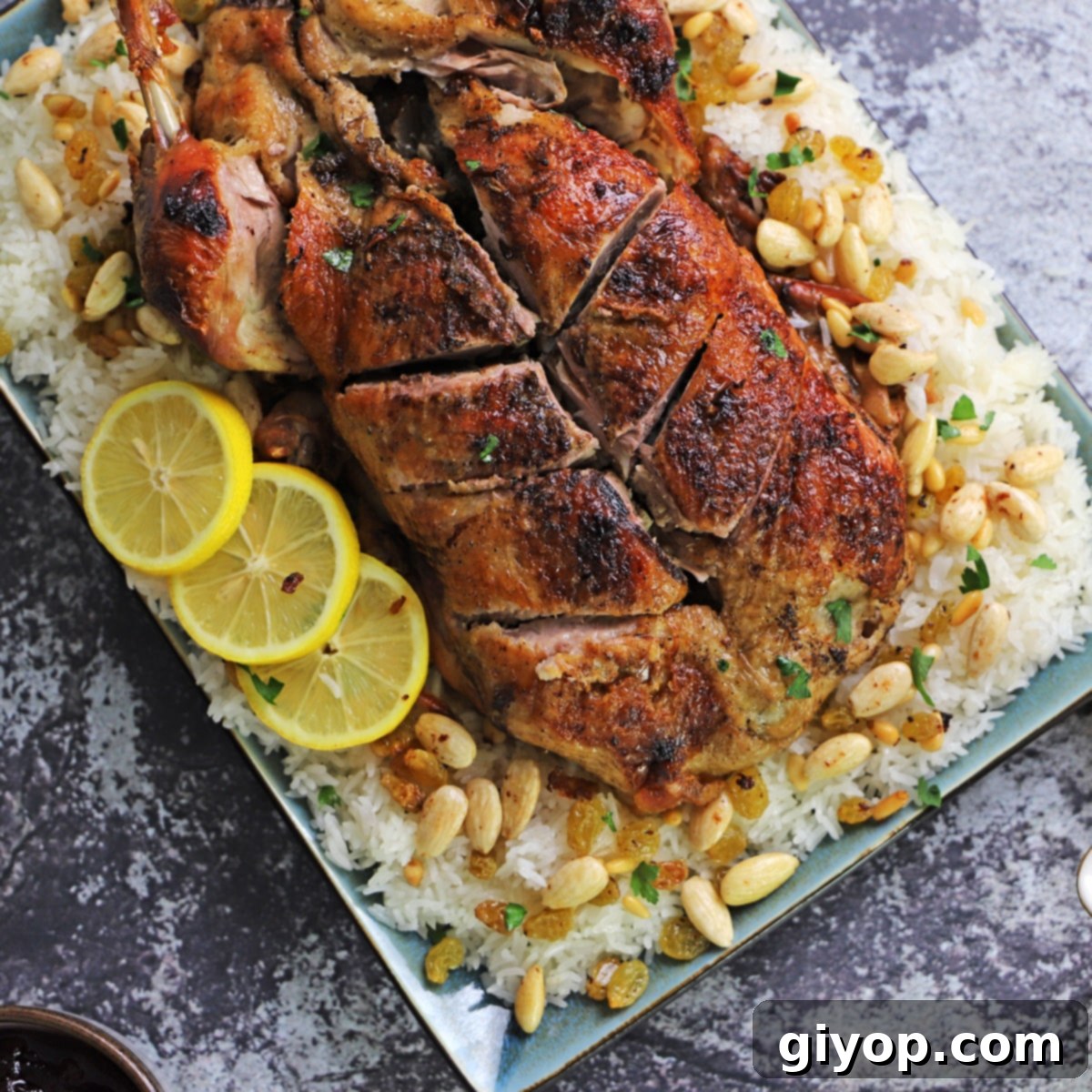
Delight your senses and impress your guests with this extraordinary Stuffed Roast Duck recipe, a cherished family tradition passed down through generations. This isn’t just a meal; it’s an experience of rich flavors, meltingly tender meat, and perfectly crispy skin, all achieved with surprising ease. Whether you’re planning a grand holiday feast or a special occasion dinner, this whole roast duck promises to be the show-stopping centerpiece that everyone will remember.
Rooted in authentic Middle Eastern culinary traditions, this recipe deviates from common fruit stuffings, opting instead for a simple yet incredibly aromatic onion and black pepper mixture. This savory stuffing slowly cooks within the duck’s cavity, infusing the dark, flavorful meat with an irresistible fragrance and creating a succulent side that pairs magnificently with baked rice or a crusty loaf of bread. It’s a testament to the power of simple ingredients creating profound flavors.
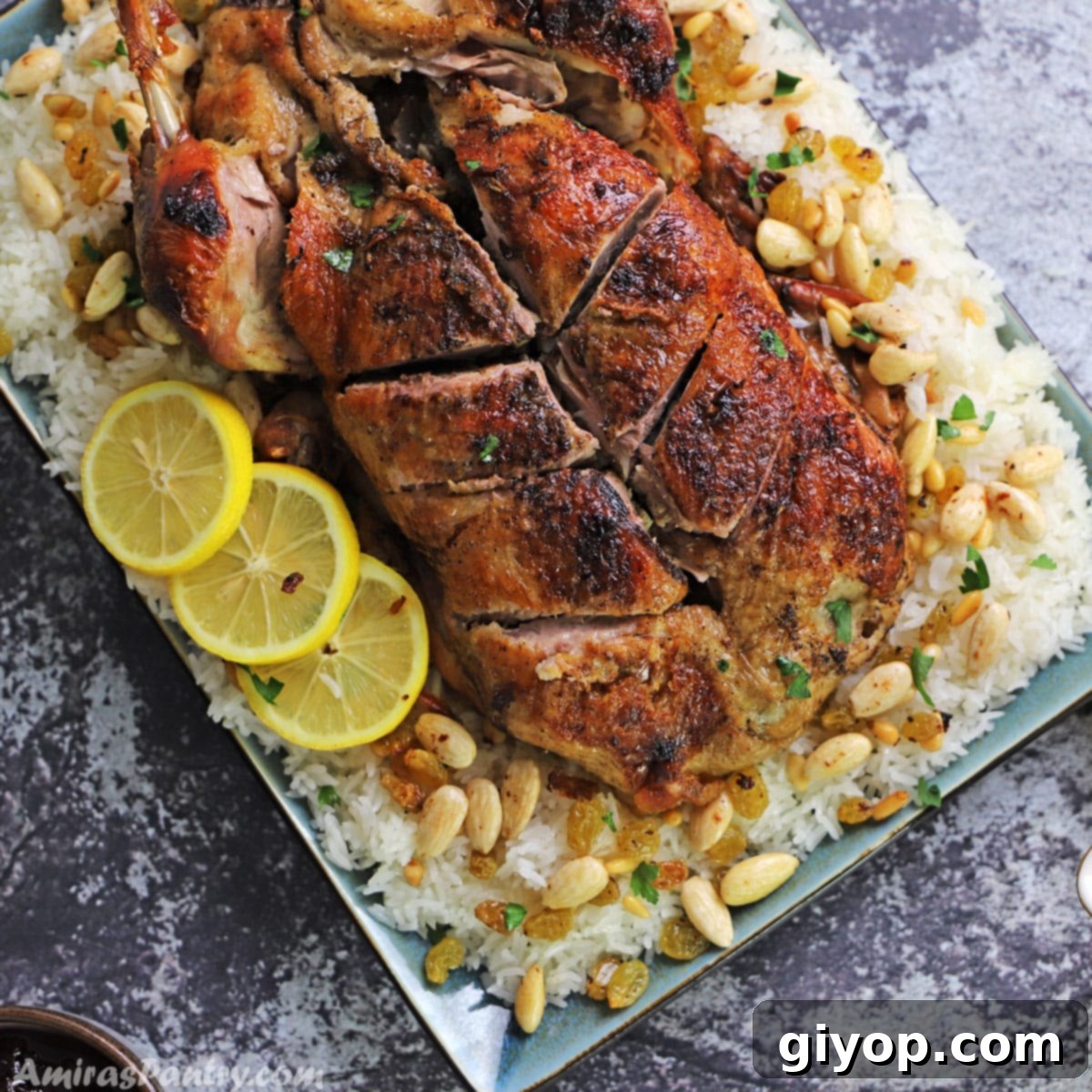
Make sure to save this exceptional recipe to your favorites so you can easily access it whenever you’re ready to create a memorable meal. This comprehensive guide will walk you through every step, from selecting the perfect duck to achieving that coveted crispy skin and succulent interior, ensuring your Middle Eastern Stuffed Roast Duck is a triumph.
The Ultimate Middle Eastern Crispy Whole Roast Duck Recipe
Duck, known for its rich, flavorful dark meat, offers a decadent culinary experience that stands out on any table. Our recipe celebrates this inherent richness by using a simple yet impactful seasoning palette: salt, freshly ground black pepper, and a dash of earthy cumin. These carefully chosen spices work in harmony to enhance the duck’s natural taste, rather than overpowering it, ensuring every bite is deeply satisfying and authentically Middle Eastern.
While many Western recipes often call for stuffing ducks with ingredients like oranges or apples for a sweet and tangy contrast, our traditional Middle Eastern approach takes a different, equally delicious path. We feature a coarsely chopped onion mixture, generously seasoned with black pepper, as the heart of our stuffing. This savory blend is not merely a filler; it’s a critical component that perfumes the entire duck from the inside out, creating an incredibly aromatic masterpiece. As the duck roasts, the onions slowly caramelize and absorb the delicious rendered duck fat, transforming into a tender, savory accompaniment that is fantastic alongside fluffy white rice or scooped up with a warm, crusty piece of bread. This authentic, onion-based stuffing elevates the entire dish, making it impossible to resist and truly unique.
Essential Ingredients for Your Perfect Roast Duck
Crafting a truly spectacular roast duck begins with selecting high-quality ingredients. Here’s what you’ll need, along with some helpful insights into each component to ensure your dish is nothing short of perfection:
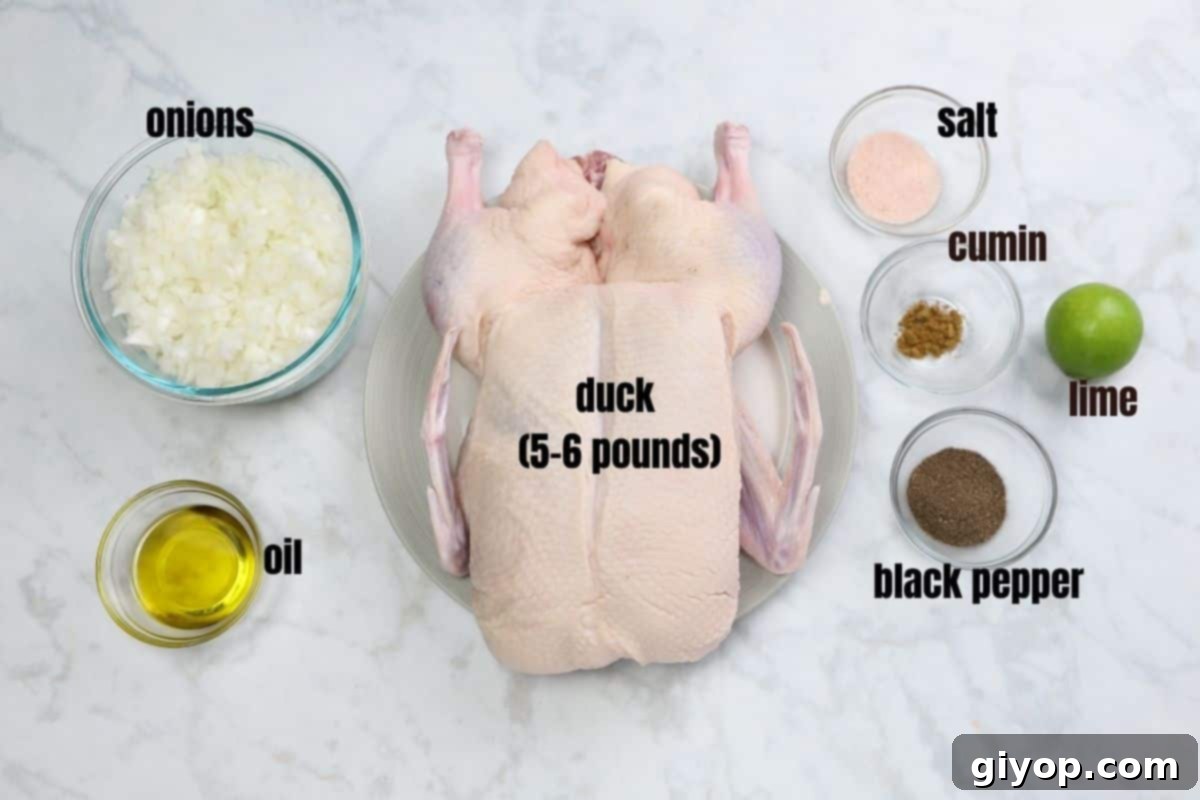
- Whole Duck: For this recipe, I primarily used a Pekin duck, widely appreciated for its tender meat and a good fat-to-meat ratio, which contributes to its rich flavor and helps achieve that desired crispy skin. However, this roasting method is incredibly versatile and will work beautifully with any type of duck you have available. In Egypt, where this particular family recipe originates, Muscovy ducks are especially popular and yield excellent results due to their robust flavor and slightly leaner characteristics. Aim for a cleaned whole duck weighing approximately 5-6 pounds for optimal cooking and serving portions.
- Light-Flavored Oil: A neutral-tasting oil such as olive oil, avocado oil, or a good quality vegetable oil is preferred for rubbing the duck’s exterior. This application helps in achieving that beautiful golden-brown, crispy skin without introducing any competing flavors that might detract from the duck’s natural richness.
- Fresh Onions: These are the undisputed star of our authentic Middle Eastern stuffing. You will need about two large onions, totaling around 450 grams, which should be coarsely chopped. This generous amount of onions provides a foundational sweet and savory base that slowly permeates the duck as it cooks, imparting a deep, aromatic flavor throughout the meat.
- Simple Spices for Flavor Enhancement:
- Salt: Essential for seasoning the duck meat thoroughly and helping to draw out moisture from the skin, which is crucial for achieving an ultra-crispy finish. Use about 2 teaspoons, or adjust to your personal taste preference.
- Black Pepper: A critical flavor enhancer for the onion stuffing, providing a delightful warmth and a subtle, invigorating kick. I recommend a generous ½ to 1 Tablespoon for a robust flavor, but you can certainly scale it back if you prefer a milder spice level in your stuffing.
- Ground Cumin: Just ½ teaspoon of ground cumin adds an earthy, aromatic depth that is characteristic of Middle Eastern cuisine. Its warm notes complement the duck’s rich flavor profile beautifully, tying all the ingredients together.
- Lime or Lemon Juice: Half a fresh lime or lemon is used for a dual purpose. Its juice brightens the flavors of the onion stuffing, adding a zesty undertone. Additionally, the squeezed citrus half is used as a traditional rub for the duck’s skin, a practice believed by some to help tenderize the skin and promote a more even, appealing browning during the roasting process.
Middle Eastern Stuffed Roast Duck: Recipe at a Glance
Stuffed Roast Duck Recipe
Print Recipe |
Pin Recipe
Main Course
Mediterranean, Middle Eastern
Gluten Free, Halal
20 minutes
2 hours 30 minutes
2 hours 50 minutes
8 servings
1175 kcal
Amira
Ingredients
- 2 onions (450g), roughly chopped.
- 2 teaspoons salt or to taste.
- ½ – 1 Tablespoon black pepper.
- ½ teaspoon ground cumin.
- ½ a lime (or lemon).
- 1 Tablespoon olive oil.
- 5-6 pounds whole duck cleaned.
Instructions
- Preheat oven to 350°F (175°C).
- Thoroughly pat dry the duck with paper towels, inside and out. This is crucial for crispy skin.
- In a medium bowl, combine the chopped onions, salt, black pepper, and ground cumin. Squeeze the juice from half a lime over the mixture, then mix everything together well. Set the squeezed lime half aside.
- Generously stuff the duck cavity with the onion mixture, ensuring it’s packed but not overly tight. Reserve about two to three tablespoons of the mixture for later.
- Close the duck cavity by securing the opening with 3-4 toothpicks. You can also sew it shut with butcher’s twine for a more secure closure.
- Take the reserved squeezed lime half and rub it all over the duck’s outer skin, both front and back. This helps with tenderizing and browning.
- Now, take the remaining onion mixture and rub it evenly over the entire exterior of the duck, pressing it into the skin.
- Place the prepared duck breast side up into an oven bag. Tie the duck legs together with butcher’s twine or a piece of foil to keep their shape. Securely close the oven bag according to package instructions.
- Place the bagged duck in a roasting pan and roast in the preheated oven for 2 ½ to 3 hours, or until an instant-read thermometer inserted into the thickest part of the thigh (without touching bone) registers a minimum of 165°F (74°C).
- Once cooked, carefully remove the duck from the oven. Allow it to cool slightly in the bag so it’s easier to handle.
- Transfer the duck to a sturdy baking pan. For ultra-crispy skin, you can either brown it under the broiler for a few minutes (watching carefully to prevent burning) or heat a tablespoon of olive oil in a large pan on the stovetop and brown the duck on all sides until it achieves a beautiful, roasted golden-brown color.
- Before carving and serving, allow the duck to rest for 10-15 minutes. This allows the juices to redistribute, resulting in more tender and flavorful meat.
Notes for Success
- Achieving Pristine Skin: If your duck’s skin has a yellowish, thin layer that you wish to remove, gently rub the skin with some bran. Bran, commonly used in the Middle East for this purpose, acts as a gentle abrasive. Oats could also work as a substitute to help peel off this thin layer.
- Grandma’s Traditional Duck Cleaning Method: Proper cleaning is vital for a deliciously fragrant duck. Here’s a tried-and-true method:
- Rinse the duck thoroughly, both inside and out, under cold running water. Reach into the body cavity and trim any excess dangling fat or visible veins.
- Rub the entire bird, inside and out, with a small amount of kosher salt. Let it sit for 5 minutes. The salt helps draw out impurities. After 5 minutes, rinse the duck completely under cold water.
- For a final deep clean, rub the whole duck (inside and out) with plain flour. Allow it to sit for another 5 minutes, then rinse again thoroughly with cold water until no flour remains.
- As an extra step, I often place the duck in a large bowl or pot and cover it with cold water. Add a couple of tablespoons of white vinegar to the water. Let the duck soak for 10 minutes, then give it a final rinse with cold water.
- While this cleaning process might seem extensive, it truly only takes about 20 minutes and makes a significant difference in the final taste and aroma of your roasted duck.
- Securing the Duck: Tying the duck’s legs together with butcher’s twine helps the duck maintain a compact shape during roasting, promoting more even cooking and a more appealing presentation. If butcher’s twine isn’t readily available, don’t worry! A piece of aluminum foil, shaped into a sturdy rope, works perfectly. Unwaxed dental floss is another surprisingly effective alternative for this task.
- Adjusting Black Pepper: Black pepper is a cornerstone of this onion mixture, offering a key layer of flavor. I prefer adding a full tablespoon for a bold taste, but if you’re sensitive to pepper, feel free to reduce the amount to your personal preference.
- Flavor Enhancements: Some cooks enjoy adding a couple of minced garlic cloves to the onion mixture for an extra aromatic kick. While I stick to the classic onion-only version, feel free to experiment with garlic if you wish.
- Alternative Cooking Method (Stovetop/Boiled): If oven roasting isn’t an option, you can still achieve a tender duck. Heat 2 tablespoons of olive oil in a large, deep pot. Brown the duck thoroughly on all sides. Once browned, cover the duck with enough hot water, add bay leaves, 2 cardamom pods, and a quartered onion. Simmer until the duck is fully cooked and tender.
Please consult our nutrition disclaimer policy for detailed information.
Nutrition Facts (Per Serving)
Calories:
1175
kcal
|
Carbohydrates:
4
g
|
Protein:
33
g
|
Fat:
113
g
|
Saturated Fat:
38
g
|
Cholesterol:
215
mg
|
Sodium:
762
mg
|
Potassium:
643
mg
|
Fiber:
1
g
|
Sugar:
1
g
|
Vitamin A:
476
IU
|
Vitamin C:
11
mg
|
Calcium:
42
mg
|
Iron:
7
mg
Tried this Recipe? Pin it for Later!
Mention @AmirasPantry or tag #AmirasPantry!
Step-by-Step Roasting Instructions for Crispy, Tender Duck
Follow these detailed steps to ensure your whole roast duck turns out perfectly golden, with irresistibly crispy skin and incredibly flavorful, tender meat:
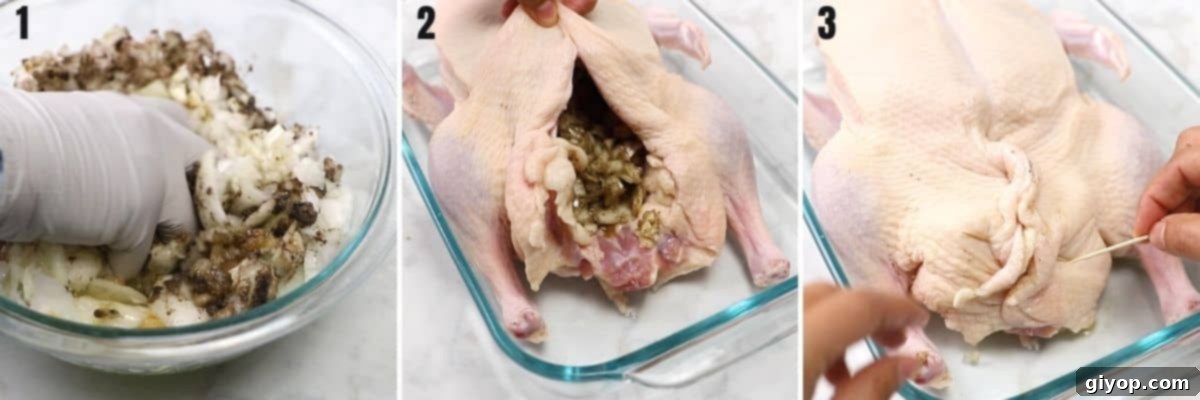
- Prepare the Aromatic Stuffing: In a medium-sized mixing bowl, combine the coarsely chopped onions, salt, freshly ground black pepper, ground cumin, and the freshly squeezed juice from half a lime. Mix these ingredients thoroughly until the onions are well coated with the spices and citrus. This flavorful mixture is the heart of our Middle Eastern duck. Remember to set aside the squeezed lime half for a later step.
- Crucial Pre-Roast Preparation: Begin by preheating your oven to 350°F (175°C). While the oven heats, ensure your duck is meticulously cleaned (refer to “Grandma’s Traditional Duck Cleaning Method” in the notes section for best practices). The most critical step for achieving wonderfully crispy skin is to thoroughly pat the duck dry with paper towels, both inside and out. Remove as much moisture as possible from the skin.
- Stuff and Secure the Duck: Carefully spoon the aromatic onion mixture into the duck’s main cavity. Pack it generously but avoid overstuffing, as this can prevent even cooking. Make sure to reserve approximately two to three tablespoons of the onion mixture, as this will be used to rub on the duck’s exterior. Once stuffed, secure the cavity opening by using 3-4 sturdy wooden toothpicks to keep the savory filling safely inside during the roasting process.
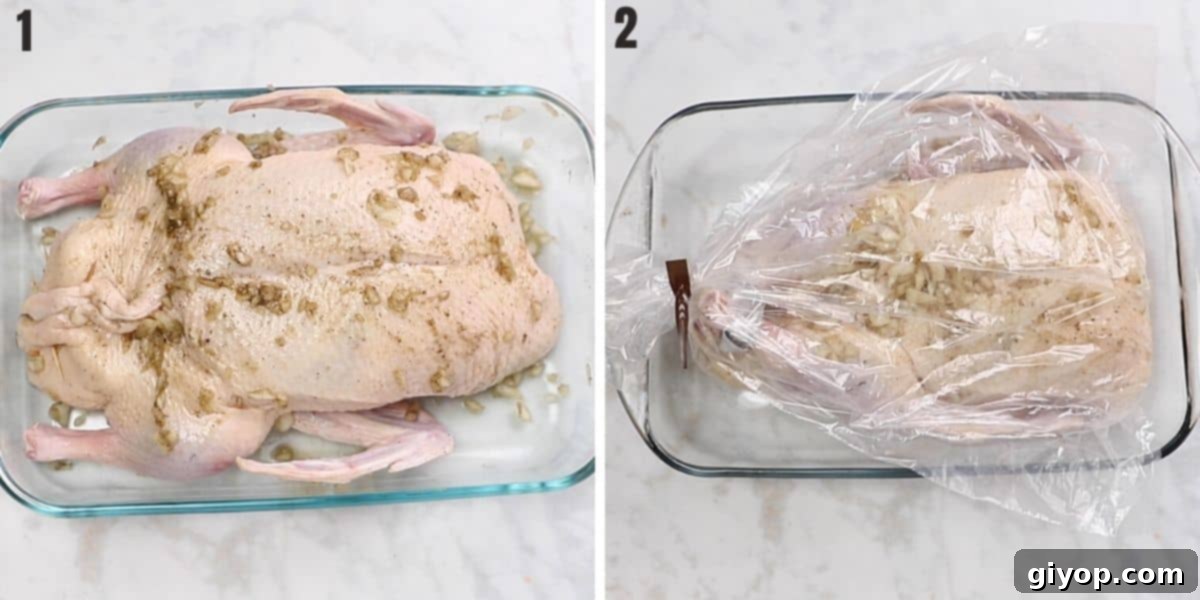
- External Flavoring and Rub: Take the reserved squeezed lime half and rub it vigorously all over the duck’s exterior skin, both on the breast and back. This traditional technique is believed to help tenderize the skin and contributes to a beautiful, even golden-brown color during roasting. Following this, take the remaining reserved onion mixture and rub it thoroughly over the entire surface of the duck, pressing it gently into the skin. This ensures that a deep flavor penetrates every part of the bird.
- Ready for the Oven Bag: Place the seasoned and stuffed duck, breast side up, into a large oven roasting bag. To help the duck maintain a compact shape and promote more even cooking, tie the duck’s legs together. You can use butcher’s twine for this, or if you don’t have any, a sturdy strip of aluminum foil shaped into a rope works perfectly. Securely close the oven bag according to the package instructions, ensuring a tight seal to trap moisture and facilitate tender meat.
- The Roasting Process: Place the roasting pan containing the bagged duck into your preheated oven. Roast for approximately 2 ½ to 3 hours. The exact roasting time may vary slightly depending on your specific oven and the size of your duck. To confidently confirm doneness, insert an instant-read thermometer into the thickest part of the duck’s thigh (making sure to avoid touching any bone); it should register a minimum internal temperature of 165°F (74°C).
- Cooling and Initial Rest: Once the duck is perfectly cooked through, carefully remove the roasting pan from the oven. Allow the duck to rest briefly within the oven bag for about 10-15 minutes. This initial resting period makes the duck easier to handle and allows the residual heat to gently continue the cooking process, ensuring even tenderness.
- Achieving That Perfect Crispy Skin: Transfer the duck from the oven bag to a clean, sturdy baking pan. To achieve that irresistible, crackling crispy skin, you have two excellent options:
- Broiler Method: Carefully place the duck under a preheated broiler for just a few minutes. You must watch it constantly during this stage to prevent the skin from burning, as it can crisp very quickly.
- Stovetop Browning: Alternatively, heat 1 tablespoon of olive oil in a large skillet or pan over medium-high heat. Carefully transfer the duck to the hot pan and brown it on all sides until it develops a beautiful, deeply golden-brown, and crispy finish. This method allows for more control over the browning.
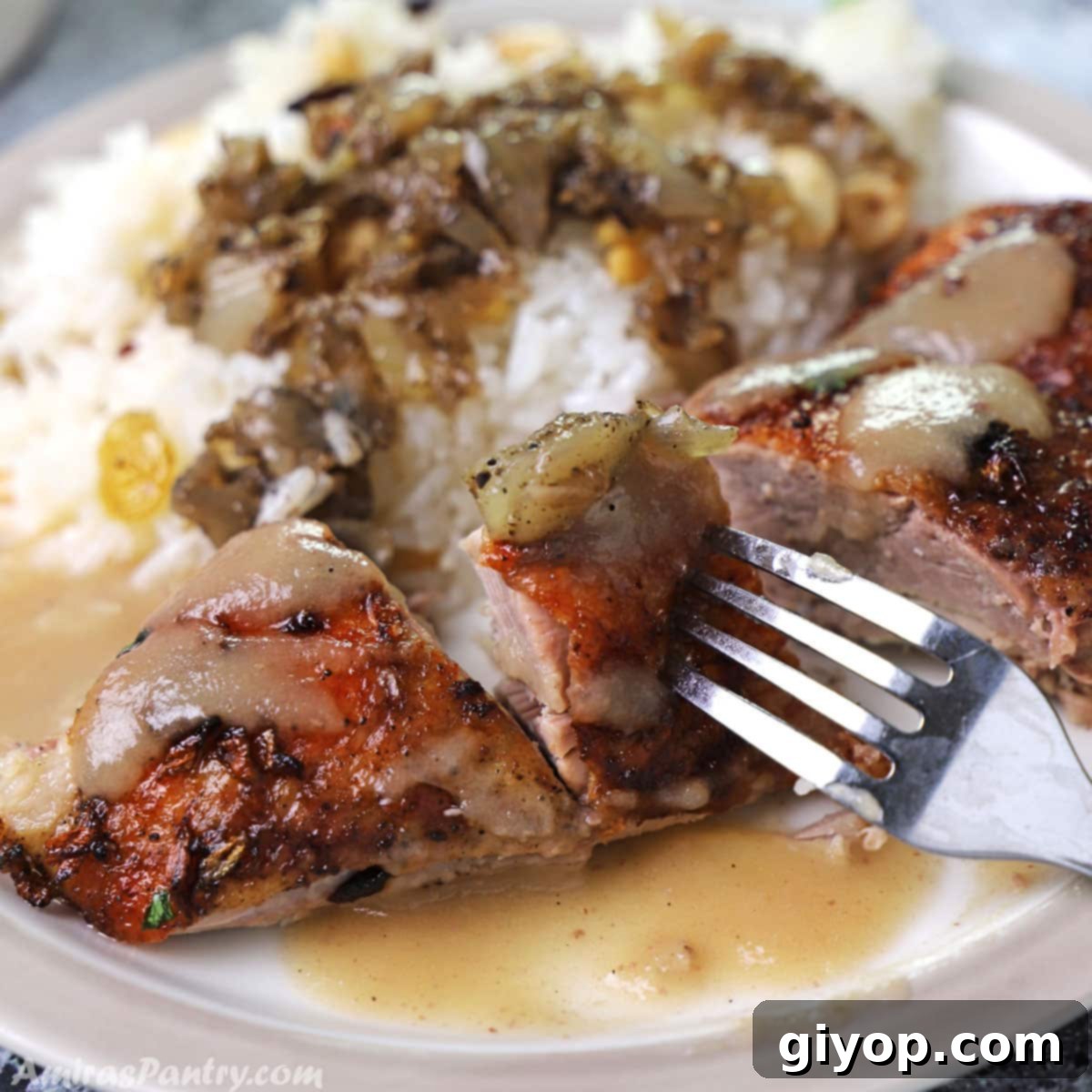
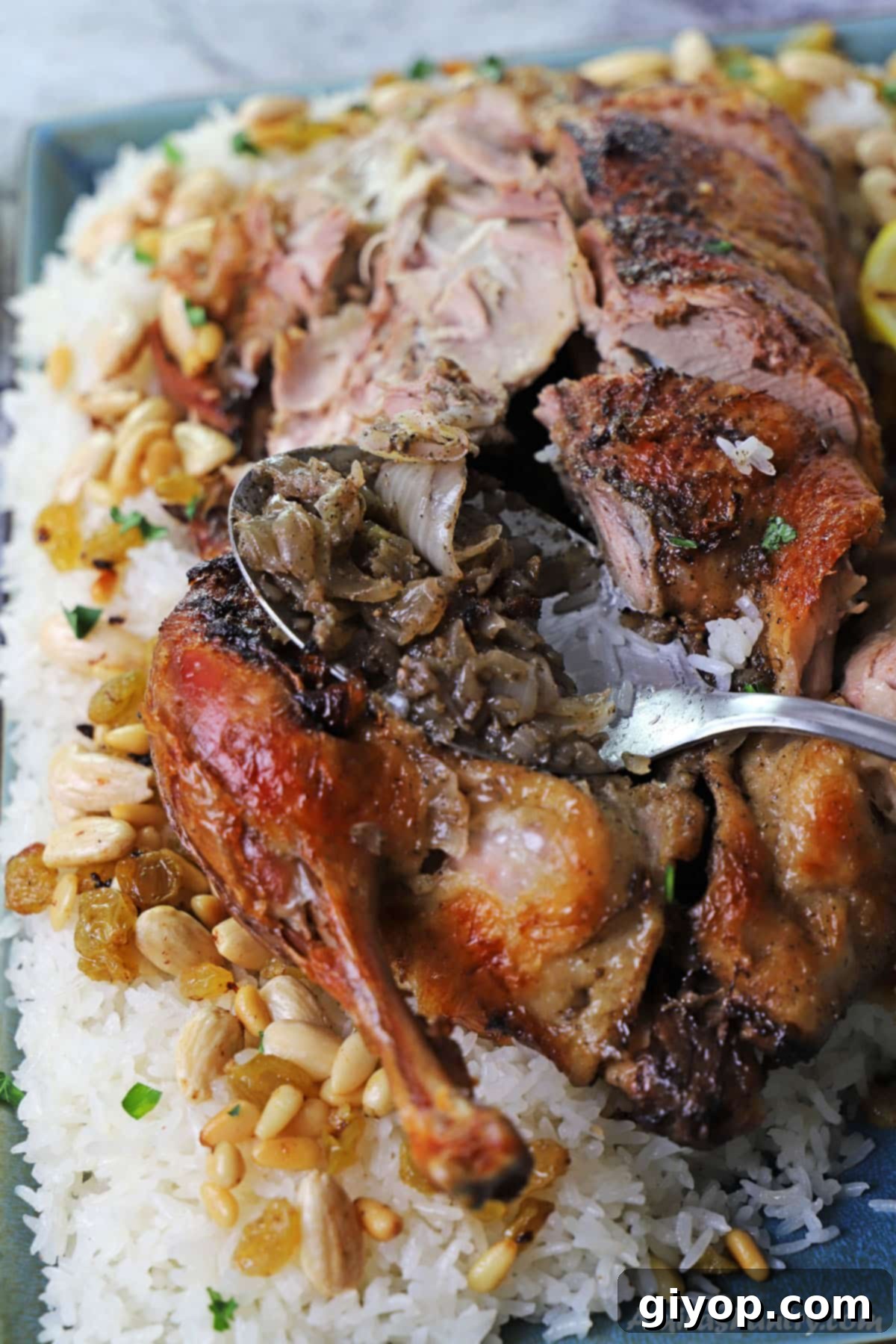
- Final Rest and Serving: After achieving your desired level of crispiness, let the duck rest for another 10-15 minutes before you begin carving. This crucial final resting period allows the flavorful juices to redistribute evenly throughout the meat, ensuring every slice is incredibly tender, moist, and bursting with flavor. Carve the duck and serve immediately with your chosen accompaniments.
Expert Tips for a Flawless Roast Duck
Beyond the basic steps, these professional tips will help you elevate your Middle Eastern roast duck to culinary perfection, ensuring juicy meat and crisp skin every time you prepare this magnificent dish:
- The Secret to Pristine Duck Skin: Occasionally, a duck’s skin may have a thin, yellowish layer that some prefer to remove for a cleaner aesthetic and crispier texture. A traditional Middle Eastern trick for this is to gently rub the skin with some bran. Bran acts as a mild abrasive, effectively helping to peel off this delicate layer. If bran isn’t readily available, finely ground oats can serve a similar purpose, contributing to an even more desirable crispy skin texture.
- Mastering Grandma’s Thorough Duck Cleaning Ritual: A properly and meticulously cleaned duck is absolutely fundamental for eliminating any potential gamey odor and ensuring the purest, most delicious flavor in your final dish. My grandmother’s method is remarkably thorough and highly recommended for achieving the best results:
- Initial Rinse and Trim: Start by rinsing the duck thoroughly, both the exterior and especially the interior cavity, under cold running water. Use your hand to reach inside and carefully trim away any excess dangling fat or visible veins, which can sometimes contribute to unpleasant flavors.
- Salt Rub for Impurities: Generously rub the entire duck, inside and out, with a small amount of kosher salt. Allow it to sit for approximately 5 minutes. The salt helps to draw out any remaining impurities and further clean the surface. After 5 minutes, rinse the duck completely under cold water until all salt is gone.
- Flour Wash for Deep Clean: For an extra layer of cleanliness and to ensure no residual odors, rub the entire duck (inside and out) with plain flour. Let it sit for another 5 minutes, then rinse again thoroughly with cold water until absolutely no flour remains on the bird.
- Vinegar Soak for Freshness: As an added guarantee of freshness, I often place the cleaned duck in a large bowl or pot and cover it completely with cold water. Then, I add a couple of tablespoons of white vinegar to the water. Let the duck soak for about 10 minutes; the vinegar helps neutralize any lingering odors. Follow this with a final, thorough rinse with cold water.
- Don’t Be Intimidated: This cleaning process might seem a bit extensive, but I assure you it truly only takes about 20 minutes of your time and makes a significant, positive difference in the final taste and aroma of your perfectly roasted duck.
- Securing Your Duck for Even Cooking: Tying the duck’s legs together with butcher’s twine is a simple yet effective step that helps the duck maintain a compact shape during the roasting process. This promotes more even cooking throughout the bird and also contributes to a more appealing presentation on your serving platter. If butcher’s twine isn’t readily available in your kitchen, don’t worry! A sturdy piece of aluminum foil, shaped into a firm rope, works perfectly as an alternative. Unwaxed dental floss is another surprisingly effective and clean option for this task.
- The Art of Achieving Ultra-Crispy Skin: While roasting your duck in an oven bag is fantastic for ensuring incredibly moist and tender meat, it doesn’t always yield the crispiest skin on its own. To achieve that coveted crackling skin, it’s essential to remove the duck from the oven bag once it’s fully cooked and then finish it under a hot broiler for a few minutes. When using the broiler, always keep a very close eye on it, as duck skin can go from perfectly crisp to burnt in a matter of seconds. Alternatively, pan-frying the cooked duck in a lightly oiled skillet over medium-high heat until it becomes golden brown and delightfully crisp is also an excellent and controlled method.
- Customizing the Onion Mixture to Your Liking: The quantity of black pepper is a crucial element in our traditional Middle Eastern onion stuffing, providing its signature warmth and a delightful kick. I personally love adding a full tablespoon for a bold and robust flavor, but if you’re sensitive to spice or prefer a milder taste, you can certainly adjust this amount down to your personal preference. Some culinary enthusiasts also enjoy adding a couple of minced garlic cloves to the onion mixture for an extra layer of savory depth and aroma, though the traditional recipe typically focuses on the pure, rich onion flavor.
- An Oven-Free Duck Option: If you prefer not to use an oven for roasting, or simply want to try a different cooking method, you can achieve a wonderfully tender duck by simmering it on the stovetop. To do this, heat 2 tablespoons of olive oil in a large, deep pot. Brown the duck thoroughly on all sides until it’s nicely colored. Then, cover the browned duck with enough hot water, add a few bay leaves, 2 cardamom pods, and a quartered onion to the pot. Bring the liquid to a gentle simmer and cook until the duck is fully tender. This method yields a wonderfully moist duck with a rich, flavorful broth that can be used for rice or soup.
Serving Suggestions: Perfect Pairings for Your Roast Duck Feast
A beautifully roasted duck, especially one prepared with such rich and aromatic Middle Eastern flavors, deserves equally delightful accompaniments. Here are some traditional and complementary dishes to complete your holiday table or special meal, transforming it into an unforgettable feast:
- Classic Middle Eastern Sides: For an authentically Middle Eastern culinary experience, I’ve always enjoyed serving roast duck with fluffy white rice. This rice is often made with savory duck fat or the flavorful broth from an alternative cooking method for an extra layer of richness. Other traditional pairings include Bamya (okra stew), typically cooked without meat when accompanying duck, and vibrant Mulukhia (Jews Mallow). These combinations create a harmonious and deeply authentic Middle Eastern feast that will transport your taste buds.
- Hearty Rice Dishes for Substance: For a truly substantial and satisfying meal, serving your duck with our signature baked rice (known as Meammar Rice, which is traditionally prepared without chicken when it’s served alongside duck) is an excellent choice. Its creamy texture and rich flavor perfectly complement the succulent duck. Alternatively, a medley of colorful roasted vegetables tossed with a sprinkle of sumac can add a wonderful tang, brightness, and freshness to balance the richness of the duck.
- Classic Holiday Staples: If you’re preparing this magnificent duck as the centerpiece for a holiday celebration, it pairs wonderfully with many classic seasonal sides that are familiar and comforting. Consider offering a vibrant and zesty healthy cranberry sauce for a touch of tart sweetness that cuts through the duck’s richness. A delightful roasted Brussels sprouts appetizer or a hearty green bean casserole would also make for a delicious and complementary vegetable option, rounding out your festive meal beautifully.
How to Store and Reheat Leftover Roast Duck
Leftover roast duck is a true culinary bonus, and proper storage ensures its deliciousness can be enjoyed for future meals:
- Refrigeration: Allow the cooked duck to cool completely to room temperature before storing. Carve any remaining meat from the bone, or keep it on the bone if preferred, and place it in an airtight container. Store the container in the refrigerator for up to 3-4 days. This keeps the duck fresh and flavorful.
- Freezing: Roast duck freezes exceptionally well, making it perfect for meal prep or enjoying later. Once cooled, transfer the carved duck meat into a heavy-duty freezer-safe bag or an airtight freezer-safe container. Press out as much air as possible from the bag to prevent freezer burn. The duck can be stored in the freezer for up to 2 months without significant loss of quality.
- Reheating: To reheat frozen duck, first allow it to defrost thoroughly in the refrigerator overnight. For best results, gently reheat the duck in a lightly oiled pan on the stovetop over medium-low heat until it is warmed through. This method helps retain moisture. Alternatively, you can reheat it in a preheated oven at a low temperature of 300°F (150°C) for about 15-20 minutes, or until heated through, ensuring you cover it loosely with foil to prevent it from drying out.
Flavorful Variations to Customize Your Stuffed Duck
While our traditional Middle Eastern onion stuffing is undeniably delicious and a cherished classic, feel free to experiment and adapt this recipe to your unique taste preferences and culinary creativity. Here are some exciting variations to make this stuffed duck truly your own:
- Bright Citrus Infusion: For a noticeably brighter, slightly tangier, and more aromatic flavor profile, consider using freshly squeezed orange juice instead of lime in your onion mixture. Additionally, you can tuck a few fresh orange wedges directly into the duck’s cavity along with the stuffing; as they roast, they’ll release wonderful aromatic citrus notes that will subtly perfume the entire duck meat.
- Delightful Sweet and Savory Notes: Introduce a hint of delightful sweetness to your savory onion stuffing by adding a tablespoon or two of pure maple syrup or golden honey to the mixture. This creates a wonderful sweet and savory contrast that many find highly desirable, especially when preparing this dish for festive holiday meals, adding an extra layer of complexity.
- Aromatic Herbal Additions: Consider enhancing the complexity of your stuffing by incorporating fresh herbs. Finely chopped fresh thyme, fragrant rosemary, or earthy sage can be added to the onion mixture for an additional layer of aromatic depth. These classic herbs pair wonderfully with the rich flavors of duck meat.
- A Spicier Kick: If you appreciate a bit of heat and want to add an exciting spicy dimension to your stuffing, a pinch of red pepper flakes or a finely minced jalapeño (remember to remove the seeds for less intense heat) can be a fantastic addition. This will give your traditional duck a modern and fiery twist.
- Nutty Texture and Flavor: For added texture and a subtle nutty flavor, stir in a handful of toasted pine nuts or chopped walnuts into your onion stuffing mixture. These will absorb the duck fat and become wonderfully savory.
Frequently Asked Questions (FAQ) About Roasting Duck
To help you achieve the best possible results with your stuffed roast duck, here are answers to some commonly asked questions:
- How do I get crispy duck skin?
The key to achieving wonderfully crispy duck skin involves several important steps. First, thoroughly pat the duck dry with paper towels before seasoning; moisture is the enemy of crispiness. Second, our method of roasting in an oven bag helps to slowly render the fat, after which a high-heat finish is applied. Finally, a quick broil for a few minutes or a pan-fry after the main roasting period will crisp up the skin beautifully. Pricking the skin with a fork before roasting can also aid in rendering out excess fat, leading to a crispier finish.
- What is the best temperature to roast a whole duck?
A moderate oven temperature of 350°F (175°C) is generally considered ideal for roasting a whole duck. This temperature allows the duck’s abundant fat to slowly render out, which is crucial for achieving moist meat and gradually crisping the skin. Roasting at too high a temperature can cause the outside of the duck to cook too quickly or burn before the interior is thoroughly cooked.
- How long does it take to roast a 5-6 pound duck?
A whole duck weighing between 5-6 pounds typically requires approximately 2 ½ to 3 hours to roast at 350°F (175°C) when cooked in an oven bag. It is always best to rely on an instant-read meat thermometer to confirm doneness. The thermometer should be inserted into the thickest part of the thigh (making sure to avoid touching any bone), and it should register a minimum internal temperature of 165°F (74°C) for safe consumption.
- Can I prepare the duck ahead of time?
Yes, you can certainly prepare parts of the duck ahead of time to streamline your cooking process. The savory onion stuffing can be made a day in advance and stored in an airtight container in the refrigerator. Additionally, you can clean and thoroughly pat dry the whole duck the day before you plan to roast it. For even crispier skin, you can leave the cleaned duck uncovered in the refrigerator overnight; this further dries out the skin. Then, simply stuff and season the duck just before you are ready to roast it.
- What is the purpose of rubbing the duck with lime or lemon?
Rubbing the duck with a fresh lime or lemon half is a traditional Middle Eastern practice that serves multiple purposes. It is believed to help tenderize the duck’s skin, which contributes to a more pleasant eating experience. Furthermore, the citrus helps to neutralize any residual gamey scent that might be present in the duck. Lastly, the acidity in the citrus promotes a more beautiful and even golden-brown color on the skin during the roasting process, enhancing the duck’s visual appeal.
Does your family adore delicious roast duck recipes as much as mine does? I’d love to hear about your favorite duck preparations, traditional or unique, in the comments below. Sharing our culinary traditions and experiences makes cooking and eating even more enjoyable for everyone.
If you made and loved this specific Middle Eastern stuffed roast duck recipe, please consider taking a moment to give it a 5-star rating. Your valuable feedback is greatly appreciated and plays a vital role in helping other home cooks discover and enjoy wonderful new dishes like this one. Thank you for being a part of our culinary journey!
Explore More Festive Main Courses from Our Kitchen
Looking to broaden your repertoire of impressive and delicious main dishes for special occasions or even just to elevate a weeknight meal? Here are some other fantastic recipes from our collection that are perfect for holidays, celebrations, or simply when you’re craving something truly special:
- The Perfect Moist Turkey Recipe: For your ultimate holiday centerpiece, you must try our very best moist turkey recipe. This method features a simple yet incredibly effective dry brine technique that guarantees an exceptionally tender, juicy, and flavorful bird every single time. It’s an easy recipe with straightforward ingredients that consistently delivers extraordinary results, making it ideal for Thanksgiving or any festive gathering.
- Effortless Slow Cooker Cornish Hens: Discover the convenience and deliciousness of our best Slow Cooker Cornish hen recipe. This dish, while elegant enough to serve for special occasions, is surprisingly simple to make right in your crock pot, making it a hearty, flavorful, and incredibly convenient option for an elevated weeknight meal or a smaller, intimate celebration.
- Succulent Roasted Leg of Lamb Recipe: For a truly elegant and memorable centerpiece that is sure to impress all your guests, prepare our succulent roasted leg of lamb recipe. Its rich flavor, aromatic seasonings, and melt-in-your-mouth tenderness are guaranteed to make any gathering feel truly special and unforgettable. This dish is perfect for Easter, Eid, or any significant celebration where you want to serve something truly spectacular.