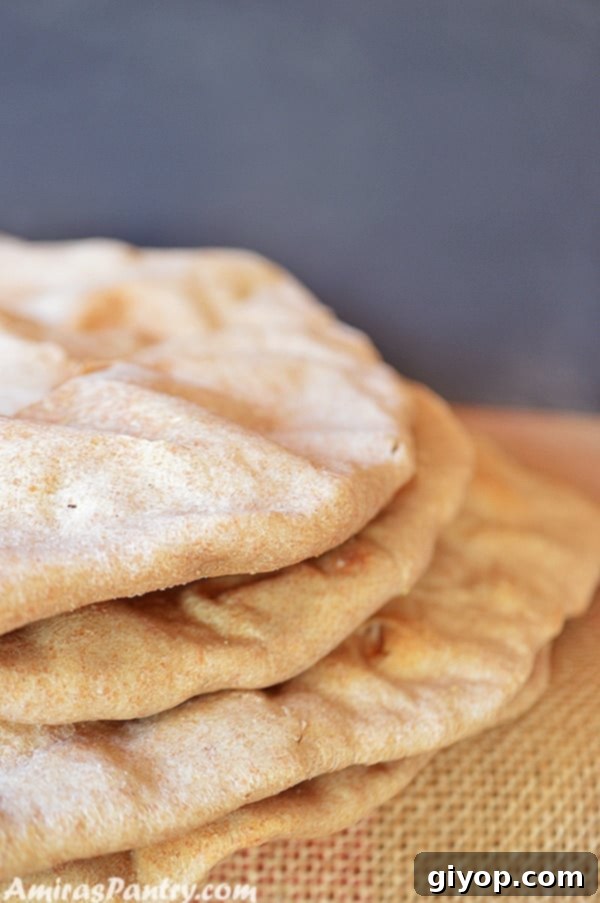
Easy Unleavened Flatbread Recipe: Your New Go-To 4-Ingredient Bread
Discover the simplicity of making delicious, soft unleavened flatbread right in your own kitchen. Forget complicated recipes and lengthy waiting times; this incredible 4-ingredient bread is designed to be your daily staple, perfect for any meal. Whether you’re a seasoned baker or just starting out, this foolproof recipe provides a step-by-step guide to creating perfectly tender and flavorful flatbread without any yeast or leavening agents. It’s not just easy; it’s a versatile and satisfying addition to your culinary repertoire, ready in minutes!
For those looking for a slightly different experience, next time try this easy pita bread recipe.
This easy-to-follow recipe results in a tasty and delicious bread, a yeast-free flatbread that I’ve even used in making this delicious savory bread pudding. It’s a testament to its versatility and flavor!
Why You’ll Love This Unleavened Flatbread
Making bread from scratch doesn’t have to be a daunting task. This unleavened flatbread recipe simplifies the process while delivering exceptional results. Here’s why you’ll quickly fall in love with it:
- Minimal Ingredients: You only need 4 staple ingredients, making it a budget-friendly and accessible recipe for anyone.
- Effortless & Quick: This is a very easy and quick homemade bread, requiring no yeast and therefore no long proofing times. Fresh bread is just minutes away!
- Flexible Cooking Options: Whether you prefer baking or stovetop cooking, this flatbread adapts beautifully, giving you perfectly cooked bread every time.
- Soft, Flavorful Texture: Despite its simplicity, the bread turns out incredibly soft with a delightful flavor that complements a wide array of meals.
- Dietary Friendly: Naturally yeast-free, dairy-free, and egg-free, this recipe is suitable for vegan, vegetarian, and halal diets, as well as for those observing religious dietary restrictions.
A Brief History of Unleavened Bread
Unleavened bread holds a profound historical and cultural significance across the globe, predating many of the leavened breads we know today. From ancient civilizations in the Middle East to indigenous cultures around the world, flatbreads made without yeast were often the earliest forms of bread consumed. Their creation was born out of necessity and simplicity, using readily available ingredients like flour and water, cooked on hot stones or open fires.
For many, such as during the Jewish holiday of Passover, unleavened bread—known as matzah—carries deep religious meaning. It symbolizes the haste with which the Israelites left Egypt, without enough time for their bread to rise. Beyond religious contexts, simple unleavened flatbreads remain a staple in many cuisines, from Indian rotis and chapatis to various Middle Eastern breads. This recipe connects you to this rich culinary heritage, offering a taste of tradition that is both simple to make and deeply satisfying. It’s a reminder that sometimes the most basic ingredients can create the most enduring and beloved foods.
Ingredient List for Unleavened Flatbread
The magic of this unleavened flatbread lies in its simplicity. With just a few common ingredients, you can create a truly wholesome and delicious bread. Exact measurements are in the recipe card at the bottom of the page, but here’s a look at what you’ll need and why:
- All-Purpose Flour: This forms the base of our flatbread, providing the necessary gluten structure for a pliable and tender dough.
- Whole Wheat Flour: Incorporating whole wheat flour adds a wonderful depth of nutty flavor, a slightly heartier texture, and increased nutritional value, including fiber. The blend of both flours strikes a perfect balance.
- Warm Water: Hydrates the flours and brings the dough together. Using warm water helps the flours absorb moisture more effectively, leading to a smoother and more cohesive dough.
- Olive Oil: Adds richness, improves the dough’s elasticity, and contributes a subtle, pleasant aroma. It also helps in achieving a desirable texture and slight crispness when cooked.
- Salt: Essential for seasoning the bread. It enhances the natural flavors of the flours and balances the overall taste of the flatbread.
Step-by-Step Instructions: Crafting Your Perfect Unleavened Flatbread
Creating this delicious unleavened flatbread is a rewarding and straightforward process. Follow these detailed instructions carefully to achieve the best results:
- Combine Dry Ingredients: In a large mixing bowl (or the bowl of a stand mixer fitted with a dough hook), add the all-purpose flour, whole wheat flour, and salt. Whisk or mix these dry ingredients thoroughly to ensure even distribution.
- Incorporate Liquids: Pour in the olive oil and begin mixing. Gradually add the warm water, a little at a time, while continuing to knead. The exact amount of water can vary slightly depending on factors like flour type and ambient humidity, so add it until a firm yet pliable dough forms. It should be cohesive and pull away from the sides of the bowl, but not overly sticky.
- Knead the Dough: Continue to knead the dough for about 3-5 minutes, either in the mixer or by hand on a lightly floured surface. The goal is to develop the gluten slightly, resulting in a smooth, soft, and elastic dough.
- First Rest: Once kneaded, cover the dough with a clean kitchen towel or plastic wrap. Allow it to rest at room temperature for at least 15 minutes. This crucial resting period relaxes the gluten, making the dough much easier to handle and roll out later.
- Divide and Second Rest: Gently divide the rested dough into 4 equal portions. For enhanced flavor and pliability, lightly brush each portion with a small amount of olive oil. Cover the dough portions again and let them rest for another 15 minutes. This second rest further ensures a tender and easy-to-roll dough.
- Preheat Oven (for Baking): If you plan to bake your flatbreads, preheat your oven to its highest possible temperature (typically 500°F or 260°C). Place a pizza stone or an inverted baking sheet inside the oven as it preheats. This ensures the cooking surface is piping hot, which is vital for quick baking and a perfectly puffed texture.
- Roll the Dough: On a lightly floured surface (you can use a mix of cornmeal and whole wheat flour to prevent sticking and add a touch of flavor), take one portion of dough. Using a rolling pin, roll it out evenly into a thin disc, approximately 12 inches in diameter. Aim for a consistent thickness, about 1/8 inch, to ensure even cooking.
- Bake the Flatbread: Carefully transfer the rolled dough onto the preheated pizza stone or baking sheet in the hot oven. Bake for approximately 3-4 minutes. Watch closely; if large air pockets or bubbles begin to form, gently poke them with a fork to release the air and ensure an even bake. The bread should puff up slightly and develop a few golden-brown spots.
- Serve Fresh: Once baked, promptly remove the flatbread from the oven and serve warm. Repeat the rolling and baking process with the remaining dough portions.
Expert Tips for Perfect Unleavened Flatbread
- The Importance of Resting Dough: While you can technically skip the resting periods if you’re in a hurry, allowing the dough to rest (as described in steps 4 and 6) is highly recommended. This process allows the gluten to relax, making the dough much more pliable and easier to roll out thinly without snapping back. It also contributes to a noticeably softer and more tender final flatbread.
- Achieving the Right Dough Consistency: Your dough should be firm, yet soft and smooth to the touch. If it feels too sticky, add a very small amount of all-purpose flour (a tablespoon at a time) until it reaches the desired consistency. Conversely, if the dough is too dry and crumbly, add a tiny splash of warm water until it comes together properly.
- Roll it Thin for Best Texture: For truly soft and flexible flatbreads, aim to roll the dough as thinly as possible, ideally around 1/8 inch thick. Thicker dough will result in a denser, less pliable bread, which might still be tasty but won’t have the classic flatbread texture.
- Hot Surface is Non-Negotiable: Whether you’re baking in the oven on a pizza stone or cooking on a skillet, ensure your cooking surface is intensely hot before placing the dough. This high heat is crucial for causing the moisture within the dough to rapidly turn into steam, creating characteristic pockets and a soft interior, while simultaneously searing the exterior for a crisp, delicious crust.
- Stovetop Cooking Method: If you prefer to cook your flatbread on the stovetop, cut the dough into 6-8 smaller, more manageable pieces. Roll each piece to the size of your skillet. Heat a cast-iron pan or heavy-bottomed skillet over medium-high heat (no oil needed initially). Cook each side for about 1-2 minutes, or until golden brown spots appear and the bread begins to puff.
- Keep Cooked Bread Covered: As each flatbread finishes cooking, stack them and immediately cover them with a clean kitchen towel. This traps the steam, keeping the bread warm, soft, and preventing it from drying out.
- Flavor Variations: Don’t hesitate to personalize your flatbread. You can mix dried herbs like oregano, thyme, or a pinch of za’atar into the dry ingredients for an aromatic twist. A touch of garlic powder or onion powder can also add a savory dimension.
Storage Solutions for Unleavened Flatbread
Proper storage is key to keeping your homemade unleavened flatbread fresh and delicious for days, or even months. Here’s how to store it effectively:
- Countertop Storage: Store your freshly baked and cooled unleavened bread in a Ziploc bag or an airtight container on your kitchen counter for up to 2 days. This method helps maintain its softness and prevents it from becoming dry.
- Refrigeration: To extend its freshness, you can refrigerate the flatbread for up to 4 days. Wrap it tightly in plastic wrap or place it in an airtight container before refrigerating.
- Freezing: Unleavened flatbread freezes exceptionally well, making it perfect for meal prep. Place cooled flatbreads in a freezer-safe bag, separating layers with parchment paper if stacking multiple pieces. They can be frozen for up to 4 months.
- Reheating: To enjoy frozen flatbread, simply reheat it directly from the freezer in a dry skillet over medium heat for a few minutes per side until warmed through and pliable. You can also lightly toast it in a toaster oven. For refrigerated bread, a quick warm-up in a skillet or microwave will restore its softness.
Frequently Asked Questions (FAQs) About Unleavened Flatbread
Yes, absolutely! Some of our readers have commented that they’ve had great success using exclusively whole wheat flour. Keep in mind that using 100% whole wheat flour may result in a slightly denser bread with a more pronounced nutty flavor. You might also need to adjust the water content slightly, as whole wheat flour can absorb more liquid.
The fundamental difference lies in the leavening agent. Pita bread traditionally uses yeast, which causes it to rise and create a distinctive pocket when baked at high temperatures. Unleavened bread, by definition, contains no yeast or chemical leavening agents, resulting in a flatter, denser (though still soft) bread without a pocket. Both are delicious flatbreads but offer different textures and characteristics.
Yes, please do! This unleavened flatbread is a fantastic canvas for various flavors. Feel free to mix dried herbs like oregano, thyme, rosemary, or a Middle Eastern blend like za’atar directly into the dry ingredients. A pinch of garlic powder, onion powder, or even chili flakes can also add a delightful savory kick.
Several factors could contribute to hard or dry flatbread. It might be that your dough was too dry initially, meaning it needed a bit more water during kneading. Another common reason is overcooking – flatbreads cook quickly, especially on a hot surface. Keep an eye on them and remove them as soon as they develop golden spots and are cooked through. Also, remember to cover the cooked flatbreads immediately with a clean towel to trap steam and keep them soft.
Delightful Ways to Serve Your Unleavened Flatbread
This simple unleavened flatbread is incredibly versatile and can elevate almost any meal. Its soft texture and mild flavor make it a perfect companion for a variety of dishes:
- Classic Dips: It pairs exquisitely with traditional Middle Eastern dips. Try it with creamy homemade hummus, smoky baba ghanoush, or a fresh labneh for a delightful appetizer or snack.
- Cheesy Companions: Serve it alongside soft cheeses such as homemade ricotta cheese, crumbled feta, or a spread of cream cheese.
- Soups and Stews: Use this sturdy yet soft bread to scoop up hearty lentil soup, a comforting bowl of tomato soup, or any flavorful stew. It’s perfect for soaking up delicious broths.
- Indian Cuisine: This flatbread makes an excellent substitute for naan or roti, complementing a wide range of Indian curries, dahls, and vegetarian dishes beautifully.
- Creative Bases: Get creative by using it as a quick and easy base for mini pizzas with your favorite toppings. It also makes for excellent wraps or sandwiches filled with grilled vegetables, falafel, or shawarma-style meats.
- Breakfast & Brunch: Enjoy it simply with a drizzle of olive oil and a sprinkle of za’atar, or with your favorite jam and cheese for a light and satisfying breakfast.
Related Bread Recipes to Explore
If you enjoyed making this simple unleavened flatbread, we encourage you to explore other delightful bread recipes from our collection:
- Turkish Simit: A delicious sesame-crusted bread that makes a perfect breakfast or snack. Learn how to bake this iconic Turkish street food at home like a pro.
- Homemade Whole Wheat Pita Bread: Discover how super easy it is to make soft, chewy, and incredibly good whole wheat pita bread that far surpasses any store-bought version.
- Palestinian Taboon Bread: Experience another delicious bread recipe from the Middle East. This bread boasts a unique combination of earthiness, warmth, and softness that is truly unparalleled.
- Lebanese Pita Bread: Indulge in the pillowy fluffy goodness of authentic Lebanese Pita Bread, a Middle Eastern staple that homemade versions truly excel at.
Your Culinary Journey with Amira’s Pantry
We genuinely hope you’ll love this easy unleavened flatbread recipe as much as we do! Your culinary creations and feedback inspire us daily. If you make this recipe, please snap a pic and hashtag it #amiraspantry on Instagram. We absolutely love seeing your delicious takes on our dishes!
Don’t want to miss a single recipe or helpful tip? Sign up for the FREE Amira’s Pantry newsletter, delivered straight to your inbox with lots of cooking tips, updates, and surprises! And make sure to stay in touch with us on Facebook, Twitter, Pinterest, and Instagram for all the latest updates and culinary inspiration.
If you like this recipe, please don’t forget to give it a ⭐⭐⭐⭐⭐ star rating and attach a photo of your finished dish in the comments below. It is always a pleasure to see your photos and read about your own take on the recipe. Thank you for being a part of the Amira’s Pantry community!
Easy Unleavened Flatbread Recipe
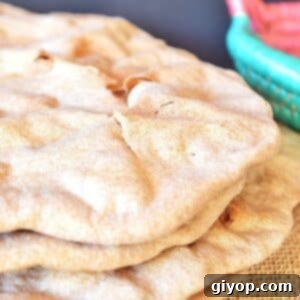
Unleavened bread is a soft flatbread made without any leavening agent, often for dietary or religious reasons. This easy 4-ingredient bread recipe is so simple and delicious, you will want to make it over and over again.
Average rating: 4.66 from 75 votes
Print Recipe
Recipe Details
- Course: Bread
- Cuisine: Middle East
- Diet: Halal, Vegan, Vegetarian
- Prep Time: 15 minutes
- Cook Time: 20 minutes
- Resting Time: 30 minutes
- Total Time: 35 minutes
- Servings: 8 servings
- Calories: 231.3 kcal
- Author: Amira
Ingredients
- 2 cups All-purpose flour
- 2 cups Whole wheat flour
- 1 ½ cups Warm water
- 2 teaspoons Salt
- 2 Tablespoons Olive oil
Instructions
- In a large bowl, or a mixer bowl fitted with a dough hook, add all-purpose flour, whole wheat flour, salt, and olive oil.
- Start your mixer to combine the ingredients. Gradually add water while kneading.
- Knead until you have a nice firm dough.
- Take the dough out and knead by hand for 3 minutes until smooth and soft.
- Cover the dough and let it rest for 15 minutes.
- Divide the dough into 4 pieces and brush with olive oil.
- Cover again and let it rest for another 15 minutes.
- Heat your oven to the maximum temp – mine was 500F – putting a pizza stone in it or any baking sheet.
- Roll your dough on another sheet sprinkled with some cornmeal.
- Place the bread on the pizza stone and bake for 3-4 minutes, poking any air bubbles with a fork.
- Serve with your favorite dips or Indian curries.
Video Demonstration
A video is available to guide you through the process of making this unleavened flatbread, showing each step from mixing to baking.
Notes
- Allowing the dough to rest gives it more structure, but if you’re short on time, you can use the dough immediately.
- For stovetop cooking, cut the dough into 6-8 pieces and roll to the size of your skillet. Cook for 2 minutes on each side in a hot pan.
- Storage: Store unleavened bread in a Ziploc bag or airtight container on your counter for 2 days. Refrigerate for up to 4 days or freeze for up to 4 months.
- Serve with: This bread is delicious with homemade hummus, baba ghanoush, ricotta cheese, or to accompany any soup like tomato soup. You can also use it as a pizza crust.
Nutrition Information
Calories: 231.3 kcal | Carbohydrates: 44g | Protein: 7g | Fat: 3.9g | Sodium: 581.4mg | Fiber: 4.7g | Iron: 1.1mg
Tried this Recipe? Pin it for Later! Mention @AmirasPantry or tag #AmirasPantry!
First published November 2015. Last updated April 5, 2022 with important tips, clear step-by-step instructions, and improved readability.
This unleavened flatbread started out as an experiment with little hope of success, yet it turned into a truly lovely and delicious bread recipe. It’s incredibly easy to make, and its aroma alone will make your kitchen smell fantastic!
I understand the feeling of being overwhelmed by a never-ending to-do list. Sometimes, when frustration hits, the best thing to do is step away and indulge in something enjoyable yet productive, like baking. I once received a reader’s request for a flatbread recipe without yeast, and at the time, I wasn’t sure why someone would need such a specific bread, perhaps thinking of allergies. However, I now understand its significance, especially for those who observe Passover, where this type of bread is central to their celebrations. It’s one of the most enjoyable aspects of being a food blogger – constantly discovering new traditions and interesting culinary needs.
Life can get chaotic, and sometimes requests get lost in the shuffle. I sincerely apologize to the reader whose request for this yeast-free flatbread was unintentionally forgotten. It’s a reminder that even in the most organized attempts, things can sometimes slip through the cracks. Nevertheless, it’s better late than never! After experimenting with various ingredient combinations, this particular recipe has proven to be the best-tasting and most aromatic. It’s also worth noting that this recipe is incredibly simple, free of milk and eggs, and requires very few ingredients.
Showcasing Your Creations
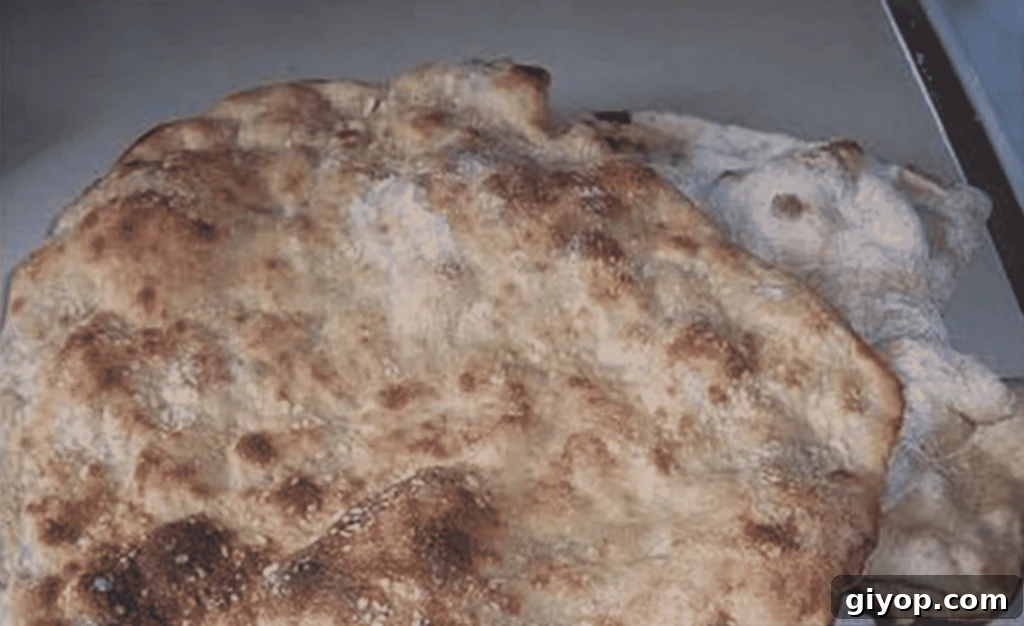
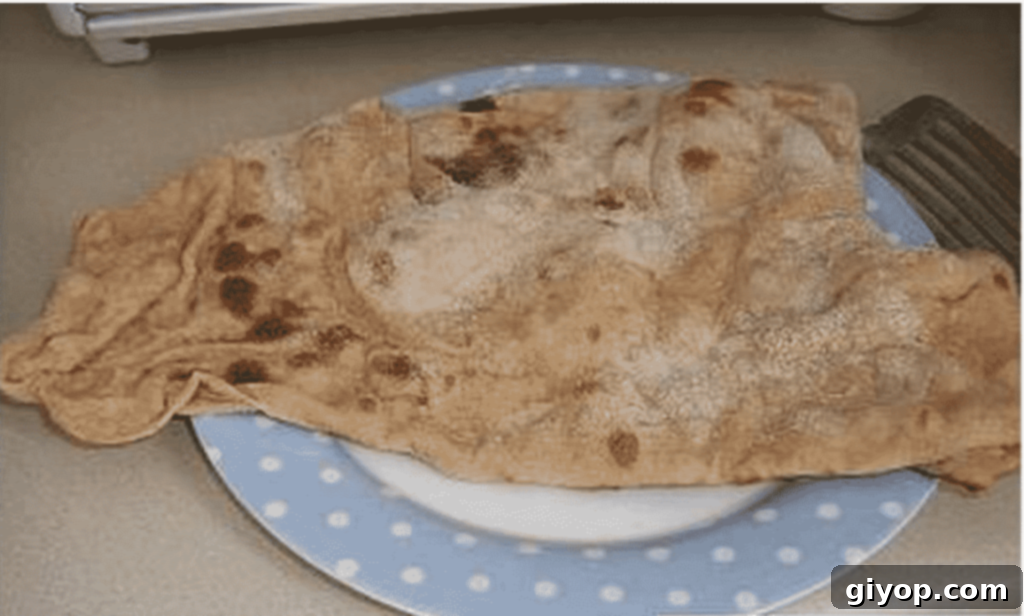
We love seeing how you bring our recipes to life in your own kitchens! Here are some wonderful photos of unleavened bread made by our amazing community members. Your culinary creativity truly inspires us!