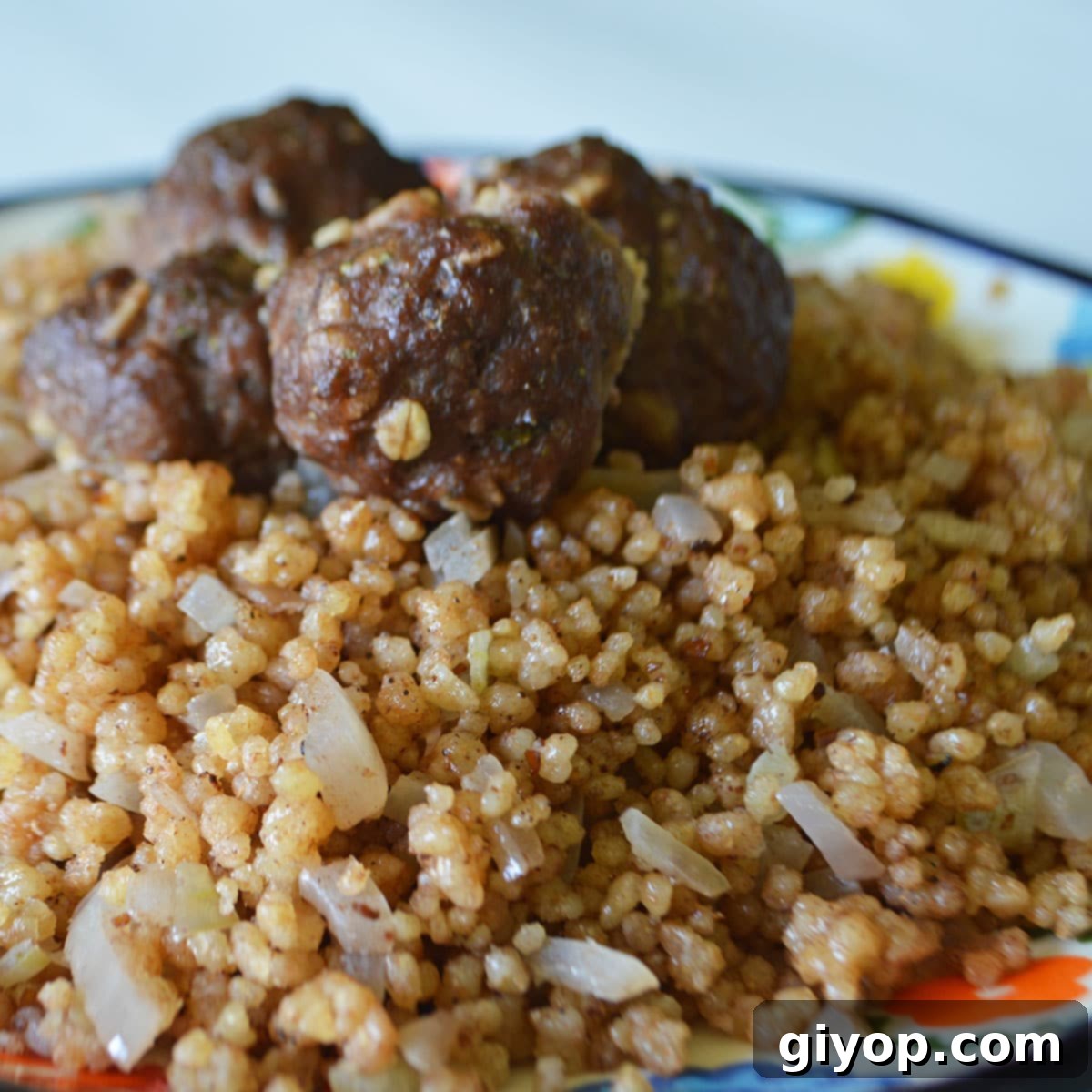
Discover Palestinian Maftoul: A Wholesome Grain Journey from the Middle East to Your Table
Are you searching for a delightful and healthy alternative to your usual dinner staples like rice or pasta? Perhaps you’re looking for a fresh, easy side dish, a hearty salad component, or even an unexpected dessert ingredient. Look no further than Palestinian Maftoul – a truly authentic and scrumptious grain that promises to transport your taste buds straight to the heart of the Middle East. Often likened to couscous but with a distinct identity and richer texture, Maftoul is a culinary gem waiting to be explored.
Maftoul, a cornerstone of Palestinian cuisine, is more than just a grain; it’s a testament to traditional culinary artistry and a symbol of communal dining. This unique pasta is meticulously crafted by hand-rolling a mixture of whole wheat and plain flour around coarse bulgur granules. The resulting pearls are then steamed to perfection, creating a fluffy, absorbent, and incredibly versatile ingredient ready to elevate countless dishes. Its hearty texture and subtle nutty flavor make it an ideal base for stews, salads, and vibrant side dishes.
The Art and Adventure of Crafting Maftoul
My personal journey with Maftoul began with an exciting challenge from the renowned Daring Cook community, led by the inspiring Sawsan. Initially, I admit, I misread it as “meatloaf” – a humorous mix-up that quickly dissolved into genuine curiosity once I deciphered the correct name. Learning about Maftoul’s intricate preparation, I was intrigued by the promise of creating something truly authentic from scratch.
This was my very first time attempting such a traditional and hands-on cooking challenge, and my anticipation was through the roof! The traditional method of making Maftoul involves a rhythmic, almost meditative process of dampening bulgur, sprinkling flour, and rolling the mixture between one’s palms until tiny, uniform grains are formed. This technique is often passed down through generations, embodying patience and culinary wisdom.
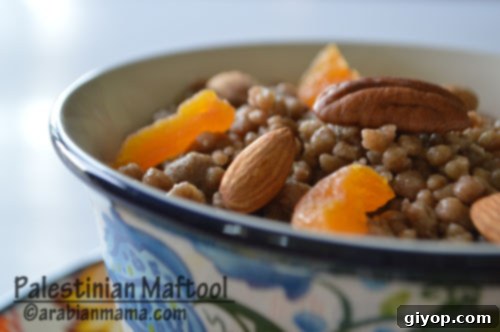
However, my initial attempt to recreate this ancient art was, to put it mildly, an exercise in humility. After more than thirty minutes of diligent rolling and kneading, I was on the verge of tears. My kitchen counter was covered with an assortment of Maftoul grains, none of which seemed to adhere to the desired uniformity. Some were beautifully small and delicate, while others resembled chickpeas – huge and unwieldy! Disappointment washed over me. What had I done wrong? Was I simply not skilled enough for this traditional craft?
A quick consultation with Sawsan provided much-needed perspective. She reassured me that this variation in size is a common experience for first-timers; it takes practice and a certain touch to master the art of hand-rolling. Yet, even as self-pity began to set in, a brilliant idea sparked in my mind. What if I could harness modern kitchen tools to simplify this ancient process?
I reached for my trusty hand mixer, a tool typically reserved for cakes and creams, and to my absolute astonishment, it worked like a charm! With just a few minutes of gentle pulsing and rolling, the disparate grains transformed into perfectly sized, fluffy Maftoul pearls. The relief and pride I felt were immense. Oh, boy, was I proud of myself! Forgive my exuberance, but the sheer joy of overcoming a culinary hurdle with an innovative twist was truly exhilarating.
This “5-minute Maftoul” discovery was a game-changer for me, turning a potentially daunting traditional recipe into an accessible and enjoyable experience for home cooks. It beautifully bridges the gap between preserving cultural heritage and adapting to modern kitchen demands, proving that sometimes, a little ingenuity is all it takes to keep traditions alive and thriving.
Understanding Maftoul: Ingredients and Preparation
At its core, Maftoul is a simple yet profound blend of wholesome ingredients. The star is coarse bulgur, a cracked wheat grain that provides the foundational texture. Around these bulgur kernels, a dough made from whole wheat flour and sometimes a touch of plain flour is rolled. The whole wheat flour contributes to the Maftoul’s characteristic earthy flavor and higher nutritional value, while the plain flour helps in binding and achieving the desired consistency.
The magic happens during the rolling process. Traditionally, cooks would sprinkle water over the bulgur, then add flour, rubbing it between their palms in circular motions until the bulgur grains swelled and became coated with the flour mixture. This process is repeated several times, gradually building up layers around each bulgur kernel, transforming them into the distinct Maftoul pearls. Once rolled, these raw grains are typically sieved to ensure uniform size, and then steamed. Steaming is crucial as it cooks the Maftoul gently, allowing it to absorb moisture and become tender without turning mushy. This method also preserves its individual grain structure, making it light and fluffy.
My hand mixer technique offers a delightful shortcut, significantly reducing the manual labor while still yielding excellent results. This adaptation makes the joy of homemade Maftoul accessible to anyone, regardless of their experience level in traditional Palestinian cooking. It encourages experimentation and creativity in the kitchen, making ancient recipes relevant and exciting for contemporary lifestyles.
The Versatility of Maftoul in Culinary Creations
Maftoul’s appeal lies not only in its unique texture and flavor but also in its incredible versatility. In Palestinian cuisine, it is most famously known in dishes like “Maftoul with Chicken and Chickpeas,” a hearty and comforting stew where the Maftoul acts as a sponge, soaking up all the rich flavors of spiced chicken, tender chickpeas, and aromatic broth. This dish is often served at special gatherings and family meals, symbolizing warmth and hospitality.
Beyond traditional stews, Maftoul can be integrated into a myriad of other dishes. Consider it as a fantastic base for vibrant grain salads. Toss it with fresh herbs like parsley and mint, juicy cherry tomatoes, crisp cucumbers, bell peppers, and a light lemon-tahini dressing for a refreshing and nutritious meal. It pairs wonderfully with roasted vegetables like zucchini, eggplant, and carrots, absorbing their caramelized flavors beautifully.
For those seeking a substantial side dish, Maftoul can be gently simmered in vegetable broth with a handful of sautéed onions, garlic, and a pinch of allspice or cumin. It’s a fantastic accompaniment to grilled meats, fish, or plant-based proteins. And yes, as hinted earlier, Maftoul can even venture into the realm of desserts! Imagine it sweetened with dried fruits, nuts, a drizzle of honey, and a dash of cinnamon – a wholesome and satisfying sweet treat that offers a textural delight distinct from typical rice puddings.
Health Benefits: Why Maftoul is a Smart Choice
Choosing Maftoul for your meals is not just a culinary adventure; it’s a healthy lifestyle choice. Made predominantly from whole wheat and bulgur, Maftoul is a powerhouse of nutrition:
- Rich in Fiber: The whole grains provide a significant amount of dietary fiber, essential for digestive health, promoting satiety, and helping to regulate blood sugar levels.
- Good Source of Plant-Based Protein: Especially when paired with legumes like lentils or chickpeas, Maftoul contributes to a substantial protein intake, vital for muscle repair and overall body function.
- Packed with Nutrients: Whole wheat contains a variety of B vitamins, magnesium, iron, and zinc, all crucial for energy production, immune function, and numerous other bodily processes.
- Low Glycemic Index: Compared to refined grains, Maftoul has a lower glycemic index, meaning it causes a slower, more sustained rise in blood sugar, preventing energy crashes and supporting better energy management throughout the day.
- Naturally Low in Fat: Without added oils, Maftoul is naturally low in fat, making it a heart-healthy addition to any diet.
Incorporating Maftoul into your diet is an excellent way to diversify your grain intake and enjoy the myriad health benefits that whole grains offer, moving beyond the usual rice and pasta towards a more nutritious and flavorful plate.
Your Invitation to the Maftoul Experience
My journey from initial frustration to triumphant success in making Maftoul was a memorable one, a true testament to the joy of cooking and discovery. I genuinely hope my adventure inspires you to try your hand at this wonderful Palestinian grain. Whether you opt for the traditional method or embrace my “5-minute Maftoul” trick, the experience of creating and savoring this authentic dish is incredibly rewarding.
For a detailed visual guide on how to prepare my quick and easy Maftoul, be sure to watch the accompanying video. It walks you through each step, making the process even more approachable. Thank you for listening to – and reading – my enthusiastic account of making Maftoul. Dive into the rich flavors of the Middle East, and enjoy the rest of your week with this delightful culinary addition!