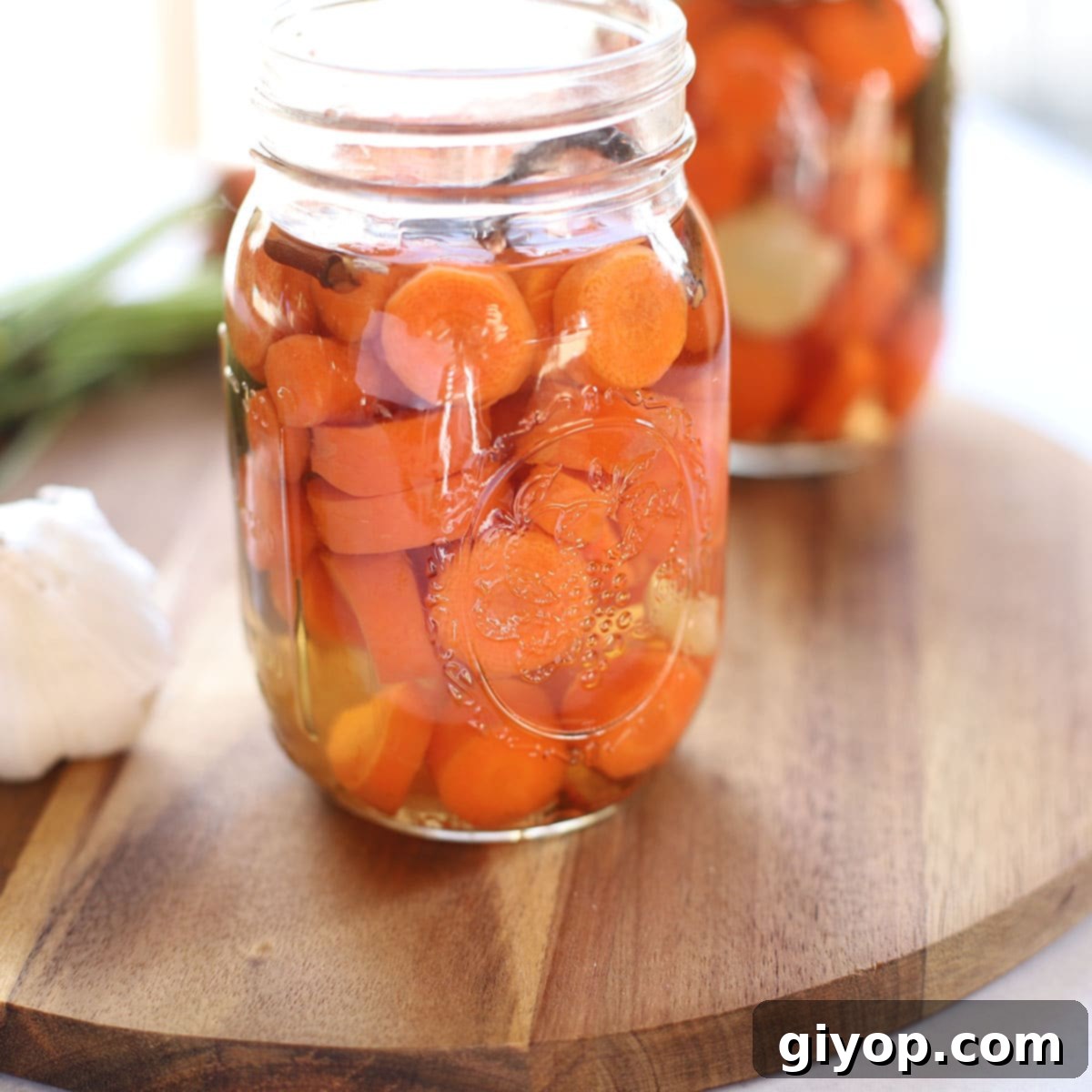
These Quick Pickled Carrots are a vibrant and flavorful addition to any meal, transforming ordinary carrots into a tangy, crunchy delight. Whether you’re looking for a zesty sandwich filler, a refreshing side dish, a healthy snack, or a burst of flavor in your salads, these homemade refrigerator pickles are incredibly easy to prepare and absolutely delicious. Say goodbye to store-bought options and embrace the satisfaction of crafting your own batch of perfectly seasoned pickled carrots right in your kitchen.
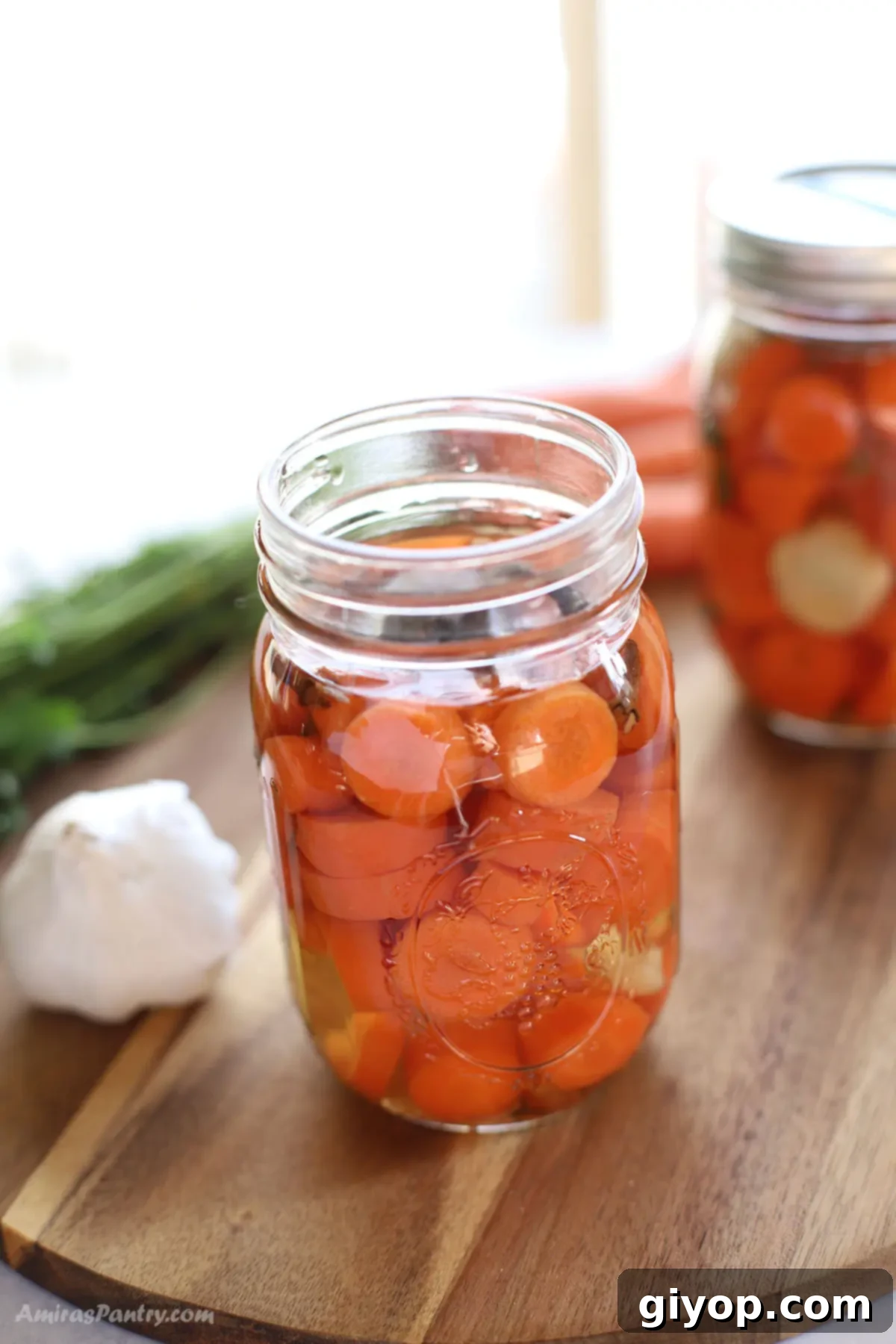
The art of pickling has been cherished across cultures for centuries, not just as a method of preservation but as a way to enhance flavors and add a unique zing to various dishes. In the Egyptian kitchen, for instance, pickles are an indispensable component of almost every meal, much like how bread is a staple. From cucumbers to turnips and even lemons, a wide array of vegetables are transformed through the pickling process, offering a refreshing counterpoint to rich and savory dishes. This recipe for quick pickled carrots draws inspiration from these traditional practices, offering a simple yet incredibly satisfying way to bring that beloved tangy goodness into your home.
Pickled Carrots: A Culinary Staple
Growing up, our Egyptian home always had a jar of tangy pickles readily available in the fridge. My mom, a master of homemade preserves, would make all sorts of pickles, and carrots were consistently a highlight. Sometimes she would mix in turnips or white radish, adding delightful layers of texture and flavor. These vibrant carrot pickles were not just a side; they were an essential accompaniment, perfect for stuffing into beloved Egyptian staples like ful medammes and crispy falafel sandwiches, providing a much-needed acidic crunch that cuts through their inherent richness. This recipe aims to capture that authentic, cherished flavor profile with straightforward ingredients and minimal fuss, making it accessible for everyone.
What makes quick pickling so incredibly appealing is its simplicity and efficiency. Unlike traditional canning methods that often demand extensive equipment, precise sterilization techniques, and significant time investment, refrigerator pickles are designed for immediate enjoyment and convenient short-term storage in the fridge. The pickling process itself is remarkably straightforward, relying on a basic brine composed of vinegar, water, salt, and sugar. This foundational brine, while simple, is also remarkably versatile, offering ample room for culinary creativity and customization. You can effortlessly adapt it with different spices, fresh herbs, or even various types of vinegar to craft a flavor profile that perfectly suits your individual palate and culinary preferences.
The Unbeatable Benefits of Homemade Pickled Carrots
Opting for homemade pickled carrots over mass-produced, store-bought alternatives comes with a myriad of compelling benefits that extend beyond just taste. Firstly, you gain complete and unparalleled control over the ingredients. This means you can meticulously select only the freshest, highest-quality carrots and natural seasonings, ensuring that no artificial preservatives, synthetic colors, or excessive sodium—common culprits in many commercial products—make it into your jar. You dictate what goes in, making it a healthier choice for your family.
Secondly, the customization possibilities are virtually endless. This recipe provides a fantastic base, but it’s merely a starting point for your culinary adventures. Craving a spicier kick? Feel free to add more chili flakes or a few slices of fresh jalapeño. Prefer a slightly sweeter pickle to balance the tartness? Easily adjust the sugar content. This level of personalization is simply not attainable with pre-made options, allowing you to tailor the flavor to your exact liking every single time.
Beyond the crucial aspects of control and customization, there’s a unique and deeply satisfying sense of accomplishment that stems from preparing your own food from scratch. The process itself can be therapeutic, a calming activity that connects you more intimately with what you consume. The result is not just a delicious and healthy snack, but also a source of pride that you can confidently enjoy and enthusiastically share with friends and family. Furthermore, homemade quick pickles often boast a superior crunch and a noticeably fresher taste, primarily because they haven’t been subjected to the intense heat processing characteristic of traditional canning, which can unfortunately sometimes lead to softer vegetables.
Essential Ingredients for Tangy Perfection
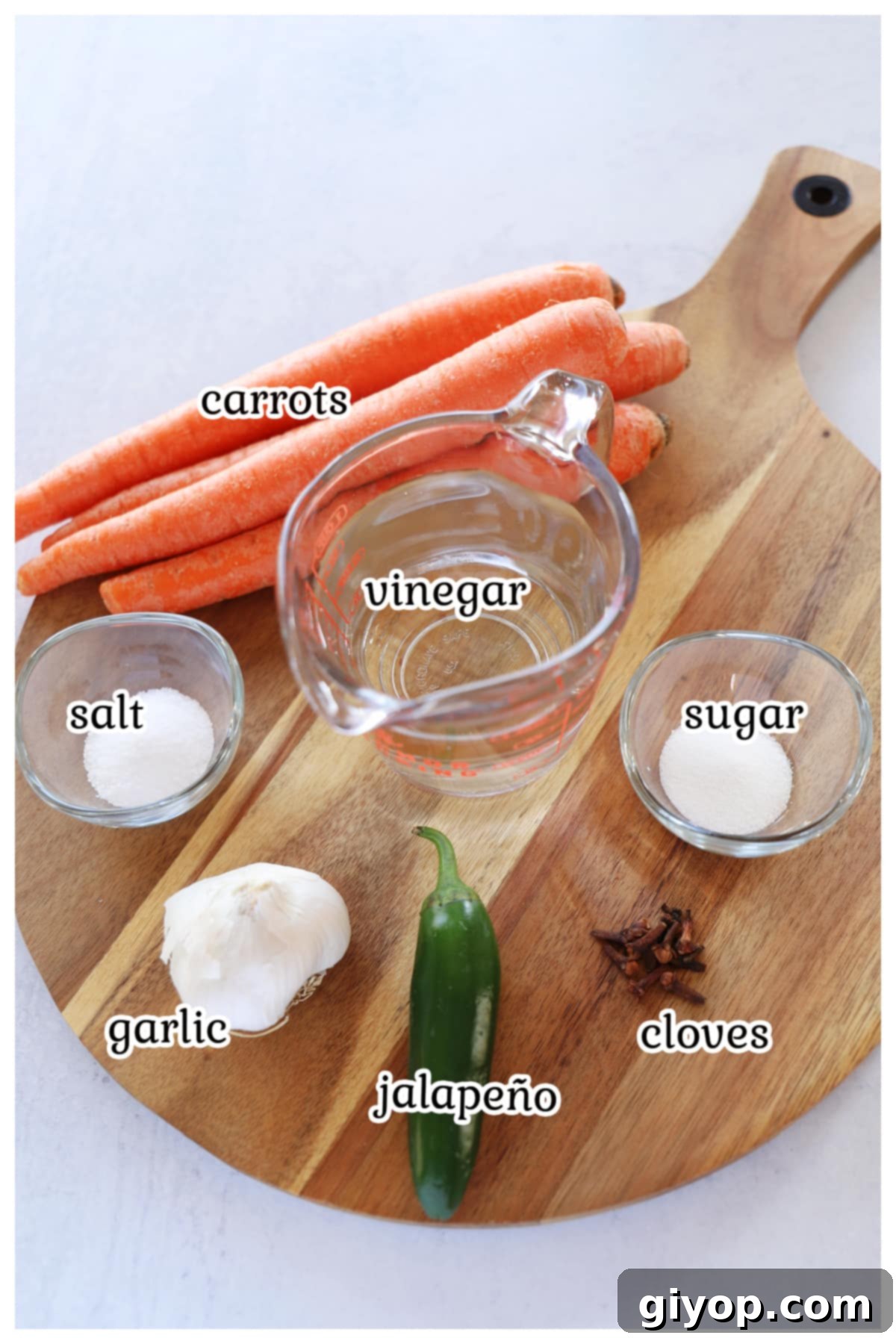
Crafting the perfect batch of quick pickled carrots begins with a clear understanding of each ingredient’s unique role and contribution to the final flavor and texture. While the overall process is straightforward, selecting quality components is paramount to ensuring the best possible outcome. Here’s a detailed look at what you’ll need to create your tangy masterpiece:
Ingredient Notes
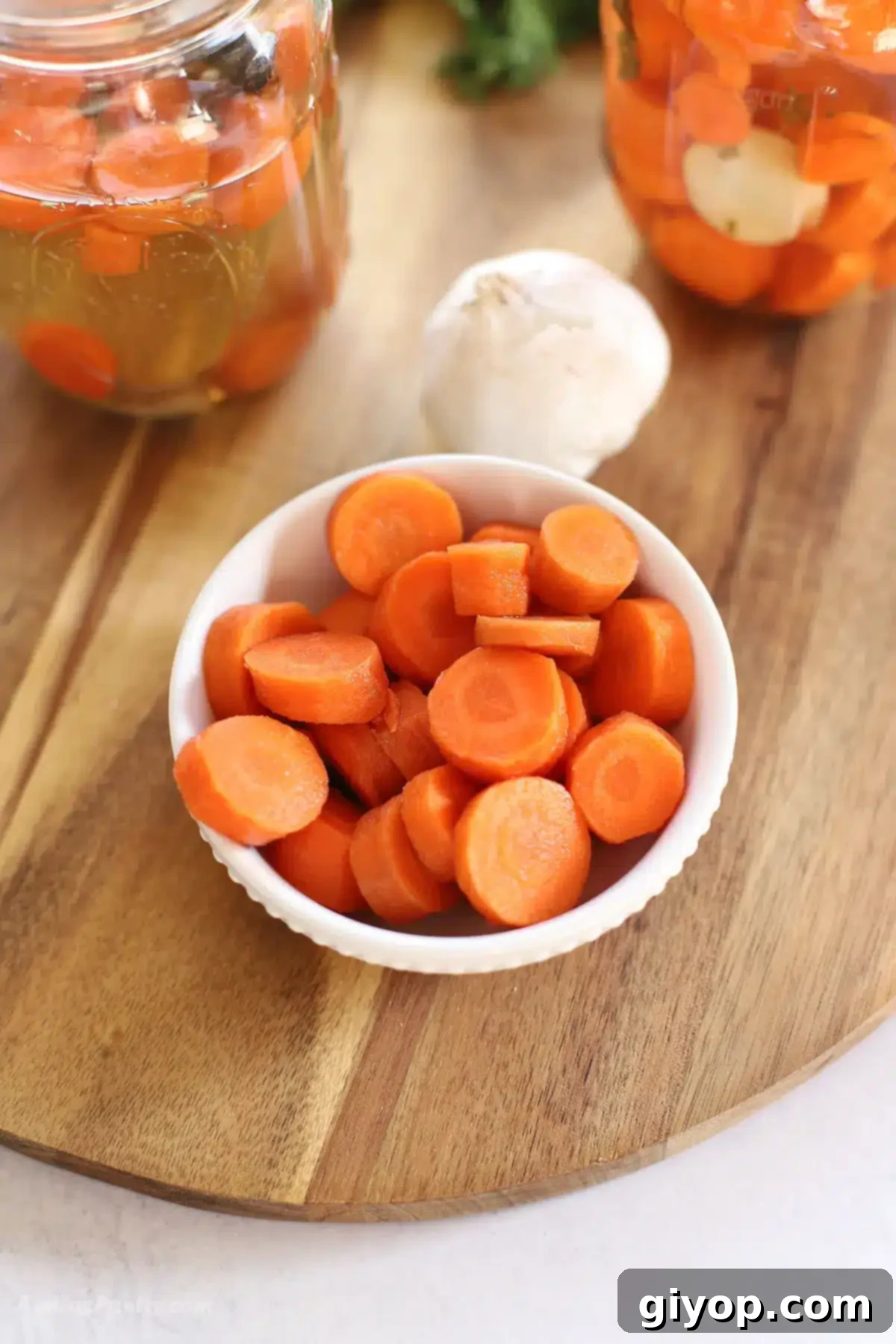
- Carrots: The undisputed star of our recipe! For the ultimate crunch and most robust flavor, I wholeheartedly recommend using whole, fresh carrots rather than the often softer, pre-bagged baby carrots. Whole carrots inherently tend to be firmer, possess a more intense, earthy flavor, and hold up exceptionally well during the pickling process. Look for medium-sized carrots, ideally about one pound, that are strikingly vibrant in color and firm to the touch, indicating freshness. Before preparation, wash and peel them thoroughly, then precisely slice them into uniform sticks (approximately ¼ inch thick and 2-3 inches long for optimal crunch) or consistent thin circles. Uniform cuts are essential to ensure even pickling and consistent texture throughout the batch.
- Whole Garlic Cloves: Garlic is a cornerstone ingredient that imparts a wonderful aromatic depth and subtle pungency to the pickles. While whole cloves are traditionally favored for their slow release of flavor, you can certainly opt for thinly sliced or minced garlic if you desire a more immediate and intense garlic flavor from the very beginning of the pickling process. Don’t hesitate to experiment with different preparations to find your preferred intensity. Typically, three large, fresh garlic cloves are sufficient for a pound of carrots, providing a balanced, savory note.
- Boiled Water: Boiling the water is a non-negotiable and utterly crucial step in the preparation of your pickling brine. This serves two vital purposes: Firstly, it effectively sterilizes the water, significantly helping to prevent the growth of unwanted bacteria that could potentially spoil your precious pickles and shorten their shelf life. Secondly, the heat from the boiled water ensures that both the salt and sugar dissolve completely and efficiently, thereby creating a smooth, homogenous, and perfectly consistent brine. Always allow the boiled water to cool down slightly before meticulously incorporating the vinegar; this precaution helps to preserve the vinegar’s delicate acidity and distinct flavor profile.
- White Vinegar: White vinegar forms the absolute backbone of our pickling liquid, providing the indispensable acidity that both preserves the carrots and bestows upon them their characteristic tangy, zesty flavor. For this particular recipe, we utilize a well-balanced 1:1 ratio of white vinegar to water, which guarantees a perfectly tart and refreshing outcome that is neither too sharp nor too mild. You are more than welcome to experiment with other types of vinegars to achieve different and intriguing flavor profiles. For instance, apple cider vinegar imparts a fruitier, slightly mellower tang with a hint of sweetness, while rice vinegar delivers a much milder, subtly sweet taste that can be quite delicate. Regardless of your choice, always ensure that the vinegar you select has an acidity level of at least 5% (5% acetic acid) for safe and effective pickling results.
- Salt: Salt is an absolutely vital ingredient, playing a dual role in both flavor enhancement and preservation. It’s crucial for drawing out moisture from the carrots and inhibiting bacterial growth. I highly recommend using sea salt for its natural mineral content and impeccably clean taste, but any non-iodized salt such as Kosher salt will work beautifully and is a popular choice among picklers. It is important to avoid iodized table salt as it can sometimes cause the brine to become cloudy and may impart an undesirable, slightly metallic flavor to your pickles. As a general guideline for pickling, approximately 1 tablespoon of salt per cup of liquid is a good starting point. If you are using Kosher salt, you might need to slightly increase the quantity compared to fine sea salt, primarily due to the differences in crystal size and density (Kosher salt is coarser).
- Sugar: A small, carefully measured amount of sugar is absolutely essential for balancing the assertive tartness of the vinegar. It works to round out the overall flavors of the brine, preventing the pickles from being overly sour or one-dimensional. Cane sugar or standard granulated sugar are both ideal choices for this recipe. You have the flexibility to adjust the amount of sugar according to your personal preference; adding a bit more will result in a sweeter pickle, while reducing it will yield a more intensely sour and sharp result.
- Optional Additions (Jalapeño, Herbs, Spices): For those seeking an extra layer of complexity, flavor, or a delightful kick of heat, consider incorporating a few thin slices of fresh jalapeño, a fragrant sprig of fresh dill, a teaspoon of earthy mustard seeds, or even a generous pinch of red pepper flakes into your pickling jar. These thoughtful additions are covered in much greater detail in our dedicated “Adaptable Recipe” section, encouraging you to customize your batch.
Quick Pickled Carrots Recipe
Quick Pickled Carrots
Discover how to make a quick batch of tangy, salty, and refreshing pickled carrots! These vibrant pickles are great for snacking, as an appetizer, in salads, sandwiches, and much more.
Rated 5 out of 5 stars based on 2 votes.
Pin Recipe
Ingredients
- 1 pound carrots, washed, peeled, and cut into sticks or circles
- 3 whole garlic cloves
- 1 ½ cup boiled water
- 2 Tablespoons white vinegar
- 2 Tablespoons sea salt (or to your liking)
- ½ Tablespoon sugar
Instructions
- Prepare the Jars: Begin by ensuring your 32 oz jar (or two 16 oz jars) is meticulously clean and ready for use. Carefully arrange the prepared carrot sticks or circles, the whole garlic cloves, and any optional flavoring elements such as thin jalapeño slices, neatly and somewhat compactly into the jar(s). Remember to leave sufficient room at the top for the pickling brine to completely cover the vegetables and to prevent overflow.
- Make the Brine: In a heat-proof bowl or a large, durable measuring cup, combine the measured amounts of sugar and sea salt. Pour the freshly boiled water directly over this mixture, then stir vigorously and continuously until both the sugar and salt are entirely dissolved. The heat from the water is crucial here, as it aids in the rapid dissolution of these crystalline ingredients, ensuring a homogenous and perfectly seasoned brine.
- Add Vinegar: Once the sugar and salt are fully dissolved in the hot water, carefully add the white vinegar to the mixture. Stir gently yet thoroughly to ensure all components are well combined. It is important to add the vinegar after the hot water has worked its magic in dissolving the solids; this helps to preserve the vinegar’s volatile acidity and delicate flavor compounds from evaporating prematurely.
- Pour and Submerge: With precision, pour the now warm brine mixture over the carrots and other ingredients nestled in the jar. It is absolutely imperative to ensure that all the carrots are completely submerged in the pickling liquid. Any carrot pieces exposed to air will not pickle properly, and are at a higher risk of going soft, losing flavor, or even developing mold. If your carrots tend to float, you can use a small, clean fermentation weight, a simple glass canning lid, or even a small, clean piece of a carrot or cabbage leaf to gently keep them pushed down below the brine line.
- Cool and Refrigerate: Allow the sealed jar to sit undisturbed at room temperature for approximately 30 to 60 minutes, or until it has cooled down significantly to room temperature. Once the jar and its contents are no longer warm to the touch, seal the jar tightly with its lid and promptly transfer it to the refrigerator for chilling.
- Chill for Flavor Development: This is where the magic happens! Your quick pickled carrots will need to patiently chill and marinate in the refrigerator for a minimum of 3 to 4 days before they are optimally ready to be eaten. This essential resting period allows the carrots ample time to thoroughly absorb all the vibrant flavors of the brine and to develop their characteristic tangy, refreshing, and satisfyingly crunchy texture. The longer they sit and infuse, typically up to a month, the more intense and complex their delicious flavor will become.
Notes
- Please check the nutrition disclaimer policy.
Nutrition
Carbohydrates: 52g |
Protein: 5g |
Fat: 1g |
Saturated Fat: 0.2g |
Polyunsaturated Fat: 0.5g |
Monounsaturated Fat: 0.1g |
Sodium: 14268mg |
Potassium: 1491mg |
Fiber: 13g |
Sugar: 28g |
Vitamin A: 75778IU |
Vitamin C: 30mg |
Calcium: 177mg |
Iron: 2mg
Mention @AmirasPantry or tag #AmirasPantry!
Tips for Perfectly Crunchy Pickled Carrots
Achieving that satisfying, irresistible crunch is arguably the most desirable characteristic of great pickled carrots. Here are some essential tips and best practices to ensure your homemade batch turns out perfectly crisp and delicious every single time:
- Thorough Washing and Cleaning: This foundational step cannot be overstated. Before you even think about peeling or slicing, ensure your carrots are meticulously washed and scrubbed clean under cold running water. Any residual dirt, soil, or unseen bacteria can not only affect the purity and flavor of the pickling process but can also significantly compromise the safety and shorten the shelf life of your precious pickles. Even if you plan to peel them, give them a good initial rinse.
- Optimal Slice Thickness for Texture: The way you slice your carrots is a critical factor that profoundly impacts their final texture. For the best, most satisfying, and most enduring crunch, I wholeheartedly recommend slicing them into uniform sticks (often referred to as julienne style) rather than thin, delicate circles. Carrot sticks inherently retain more of their structural integrity and firmness throughout the pickling process. Aim for a consistent thickness of approximately ¼-inch for both sticks and circles to ensure even pickling and a consistent, pleasant mouthfeel.
- Understand They are Refrigerator Pickles: It is absolutely crucial to remember and understand that these are specifically designated as “quick” or “refrigerator” pickles. This means they are not prepared or processed for long-term shelf stability at ambient room temperature, unlike traditional, extensively canned pickles. They are designed for relatively immediate consumption and must be consistently stored in the refrigerator, from day one, and consumed within their recommended timeframe to maintain quality and safety.
- Enhancing Garlic Flavor (Beyond Whole Cloves): While whole garlic cloves undoubtedly infuse a subtle, background flavor that mellows beautifully over time, you can significantly intensify the garlic notes in your pickles by altering its preparation. Consider dicing, thinly slicing, gently smashing, or even lightly toasting the garlic before adding it to the jar. Smashing a clove, in particular, helps to rupture its cell walls, releasing a greater concentration of its essential oils and potent flavor compounds more rapidly into the brine.
- Ensure Full Submersion is Non-Negotiable: The single most common reason for soft, mushy, or even spoiled pickles is inadequate or improper submersion in the pickling liquid. Any part of the carrot that is exposed to air will not pickle correctly and is highly susceptible to becoming soft, losing its vibrant color, or developing undesirable mold. Therefore, ensure that all carrot pieces are completely immersed in the brine. If your carrots have a tendency to float to the surface, utilize a small, clean fermentation weight, a sterile glass canning lid, or even a small, clean piece of a carrot or cabbage leaf (placed on top) to gently but firmly keep them pushed down below the brine line.
- Sterilize Your Jars (Highly Recommended): While not strictly a requirement for refrigerator pickles in the same way it is for traditional canning, briefly sterilizing your glass jars and their corresponding lids (e.g., by boiling them in water for a few minutes or running them through a hot dishwasher cycle) is a highly recommended practice. This crucial step helps to eliminate any lingering bacteria or microbes, significantly contributing to a longer, safer shelf life for your pickles and providing valuable peace of mind.
Adaptable Recipe – Make It Your Own!
One of the true joys of making quick pickled carrots is the incredible flexibility and boundless versatility this recipe offers. The basic brine provides a perfect, neutral canvas upon which you can paint countless flavor combinations, allowing for endless culinary creativity. Do not hesitate to experiment fearlessly and create a version that truly reflects your unique taste preferences and culinary inclinations:
- Spice It Up for a Kick: For those who genuinely appreciate a vibrant burst of heat, consider adding a generous pinch or two of red pepper flakes directly into the pickling liquid. Alternatively, a few thin slices of fresh jalapeño, or even a tiny but potent bird’s eye chili, can provide a delightful and invigorating spicy kick that awakens the palate.
- Explore Aromatic Herbs and Spices: This is your opportunity to introduce different aromatic elements that can dramatically transform the character of your pickles. Fresh dill sprigs are an absolute classic addition, offering a bright, herbaceous, and undeniably fresh note that pairs beautifully with carrots. Other excellent and highly recommended choices include fragrant coriander seeds, earthy mustard seeds, a couple of bay leaves for a subtle background complexity, whole black peppercorns for a gentle warmth, or even a nuanced touch of dried mint for an intriguing and authentic Middle Eastern twist. For a truly exotic twist, try adding a single star anise.
- Venture with Different Vinegars: While standard white vinegar reliably provides a crisp, clean tang that is universally appreciated, boldly exploring other types of vinegars can unlock entirely new and fascinating flavor dimensions. Apple cider vinegar contributes a slightly fruitier and wonderfully mellow flavor profile, often with a hint of natural sweetness. Rice vinegar, in contrast, offers a delicate sweetness and a much milder taste, making it ideal for a more subtle pickle. Even a judiciously used splash of balsamic vinegar can add a rich, complex sweetness and depth, but use sparingly as it has a strong flavor. Always double-check that your chosen vinegar still maintains an acidity level of at least 5% for optimal pickling results and safety.
- Sweetness Adjustment to Your Liking: If your palate leans towards a sweeter pickle, simply increase the amount of sugar incorporated into the brine. For those who prefer to avoid refined sugars, you can also experiment with natural sweeteners like honey or maple syrup; however, be aware that these may subtly alter the clarity and potentially the overall flavor profile of the brine, adding their own distinct notes.
- Incorporate Additional Vegetables: While this particular recipe gracefully focuses on the inherent deliciousness of carrots, the versatile pickling brine is exceptionally well-suited for transforming a plethora of other vegetables. Feel free to add thin, crisp slices of cucumber, vibrant red onion rings, tender cauliflower florets, or even colorful bell pepper strips alongside your carrots for a visually appealing, texturally varied, and deliciously mixed pickle medley.
Your Questions Answered: FAQs
These refrigerator pickles typically require a minimum of 3 to 4 days of chilling in the refrigerator before they are fully ready to be savored. This essential waiting period allows sufficient time for the carrots to thoroughly absorb the delightful flavors of the brine and to develop their signature tangy, refreshing crunch.
While it is not an absolute necessity, peeling carrots before pickling is generally highly recommended. Peeling results in a much cleaner, more aesthetically pleasing appearance and can noticeably improve the overall texture, making the carrots more tender-crisp and pleasant to eat. However, if you prefer a more rustic approach or are using organic carrots with clean skins, you can certainly leave the peels on after giving them a thorough scrubbing.
The most prevalent and likely reason for pickled carrots becoming unexpectedly soft or mushy is improper or insufficient submersion in the pickling liquid. Any portion of the carrot that is exposed to air will not pickle correctly and is highly prone to becoming soft, discolored, or even developing unsightly mold. Therefore, always ensure that all your carrots are completely and consistently submerged in the brine. Additionally, starting with old, overly soft, or bruised carrots, or not chilling them adequately and promptly, can also contribute significantly to a softer, less desirable texture.
When stored properly in an airtight glass container and kept consistently in the refrigerator, these quick pickled carrots will maintain their optimal quality, crisp texture, and vibrant flavor for up to one month. To ensure maximum preservation and prevent spoilage, always make certain that the carrots remain fully submerged in the pickling liquid throughout their storage period.
Storage and Shelf Life
Proper storage is absolutely essential to ensure that you can enjoy your homemade quick pickled carrots for as long as possible, all while preserving their delightful crisp texture and vibrant, tangy flavor. Since these are specifically designated as refrigerator pickles and have not undergone the extensive heat processing of traditional canning, they inherently possess a shorter shelf life.
Refrigerate: Always store your freshly made pickled carrots in an airtight glass jar, or multiple smaller jars, securely sealed and placed in the refrigerator. It is paramount to ensure that all the carrots are completely submerged in the pickling liquid. This full submersion is vital for preventing spoilage, inhibiting bacterial growth, and maintaining the carrots’ desired crispness. When stored correctly and consistently, these delicious pickles will keep wonderfully in the fridge for up to one month. Always err on the side of caution: discard your pickles immediately if you observe any signs of mold growth, an unusual or off-putting smell, or any indications of sliminess in the brine or on the carrots.
Freeze: While technically possible, freezing is generally not recommended as an ideal method for preserving pickled carrots. The primary reason for this caution is that freezing can significantly alter their delicate texture, often resulting in them becoming mushy or unpleasantly soft upon thawing. The delightful, crisp crunch that makes pickled carrots so incredibly appealing is typically compromised and often lost during the freezing and subsequent thawing process. If you absolutely must freeze them, ensure your glass jars are explicitly labeled as freezer-safe to prevent cracking due to expansion, and always leave ample headspace at the top of the jar for the liquid to expand. They can be frozen for up to 3 months, but be fully prepared for a noticeable and often undesirable change in texture.
Perfect Pairings: What to Serve with Pickled Carrots
The remarkable versatility of quick pickled carrots makes them an absolutely fantastic accompaniment to an incredibly wide variety of dishes and cuisines. Their distinctive tangy crunch and vibrant flavor profile have the power to elevate and brighten almost any meal, transforming the ordinary into something extraordinary:
- Snack & Appetizer: Enjoy these delightful carrots straight from the jar as a refreshing, healthy, and satisfying snack on their own. They are also an absolutely stellar addition to any gourmet meat and cheese board or charcuterie platter, offering a much-needed bright and acidic contrast to rich, savory flavors. Serve them proudly alongside other popular Mediterranean appetizers such as crispy falafel, creamy, smooth hummus, or fresh bruschetta with mozzarella for a truly vibrant and inviting spread that will impress your guests.
- Sandwiches & Wraps: Elevate your everyday sandwiches and wraps by adding a generous layer of tang and satisfying texture. These pickled carrots pair wonderfully with a multitude of fillings, from succulent roast beef and creamy chicken salad to simple, garden-fresh veggie wraps, providing a delightful zing that cuts through the richness and adds a refreshing bite.
- Salads: Finely chop them up and generously toss them into your favorite green salads for an extra burst of vibrant flavor and a wonderfully satisfying crunch. They are particularly delicious and harmonious in hearty grain bowls, or classic Middle Eastern salads such as a refreshing and herbaceous Tabouli Salad or a wholesome and fulfilling Mediterranean Chickpea Salad.
- Main Dishes: Serve these tangy carrots as a zesty and invigorating side dish to a variety of main courses, including perfectly grilled meats, succulent roasted chicken, or even delicately pan-seared fish. Their inherent acidity expertly cuts through the richness of heavier dishes and serves as a delightful palate cleanser. They also make an excellent, unexpected, and flavorful topping for savory tacos, classic burgers, or even gourmet hot dogs, adding a gourmet touch.
- Eggs: This might sound unconventional, but don’t knock it until you try it! A few finely chopped pickled carrots can add an unexpected, yet surprisingly delicious and complex, tangy twist to scrambled eggs, omelets, or even frittatas, transforming a simple breakfast into something truly special.
Explore More Carrot Recipes You’ll Also Love
If you’re a true admirer of carrots and deeply appreciate their naturally sweet, earthy flavor, then there’s an expansive and exciting world of culinary possibilities waiting for you to discover far beyond the realm of pickling. Here are a few more delightful carrot-centric recipes from our kitchen that we are confident you’re sure to enjoy and cherish:
- Beet and Carrot Salad: For a strikingly vibrant and incredibly healthy side dish that bursts with flavor and nutrients, we highly recommend giving this Beet and Carrot Salad recipe a try. The harmonious combination of naturally sweet beets and earthy carrots, expertly tossed in a zesty, aromatic garlic and dill dressing, is truly out of this world delicious and packed with beneficial vitamins and antioxidants.
- Healthy Carrot Cake: Indulge your sweet tooth without any lingering guilt with our wholesome twist on a timeless classic dessert. This Healthy Carrot Cake recipe offers all the comforting, warm, and familiar flavors of traditional carrot cake but ingeniously crafted with lighter, more nutritious ingredients, making it an absolutely perfect and guilt-free treat for the entire family to enjoy any time of the year.
- Carrot Lentil Soup: When you find yourself craving something profoundly nourishing, deeply comforting, and incredibly satisfying, our Carrot Lentil Soup is the absolute ideal choice. This soul-warming soup is remarkably quick to prepare, often ready in less than 30 minutes, utilizing just a few simple, readily available pantry staples. It stands as a quick, wholesome, and incredibly flavorful meal that is perfect for chilly evenings, a light yet filling lunch, or whenever you need a boost of healthy goodness.
We genuinely love hearing from our community! Please let me know in the comments section below what your all-time favorite, best-tasting pickles are. And, perhaps more excitingly, what new pickle recipe would you be thrilled to see featured next here at Amira’s Pantry? Your invaluable suggestions and feedback directly help us create even more delicious content that you’ll undoubtedly love and find useful!