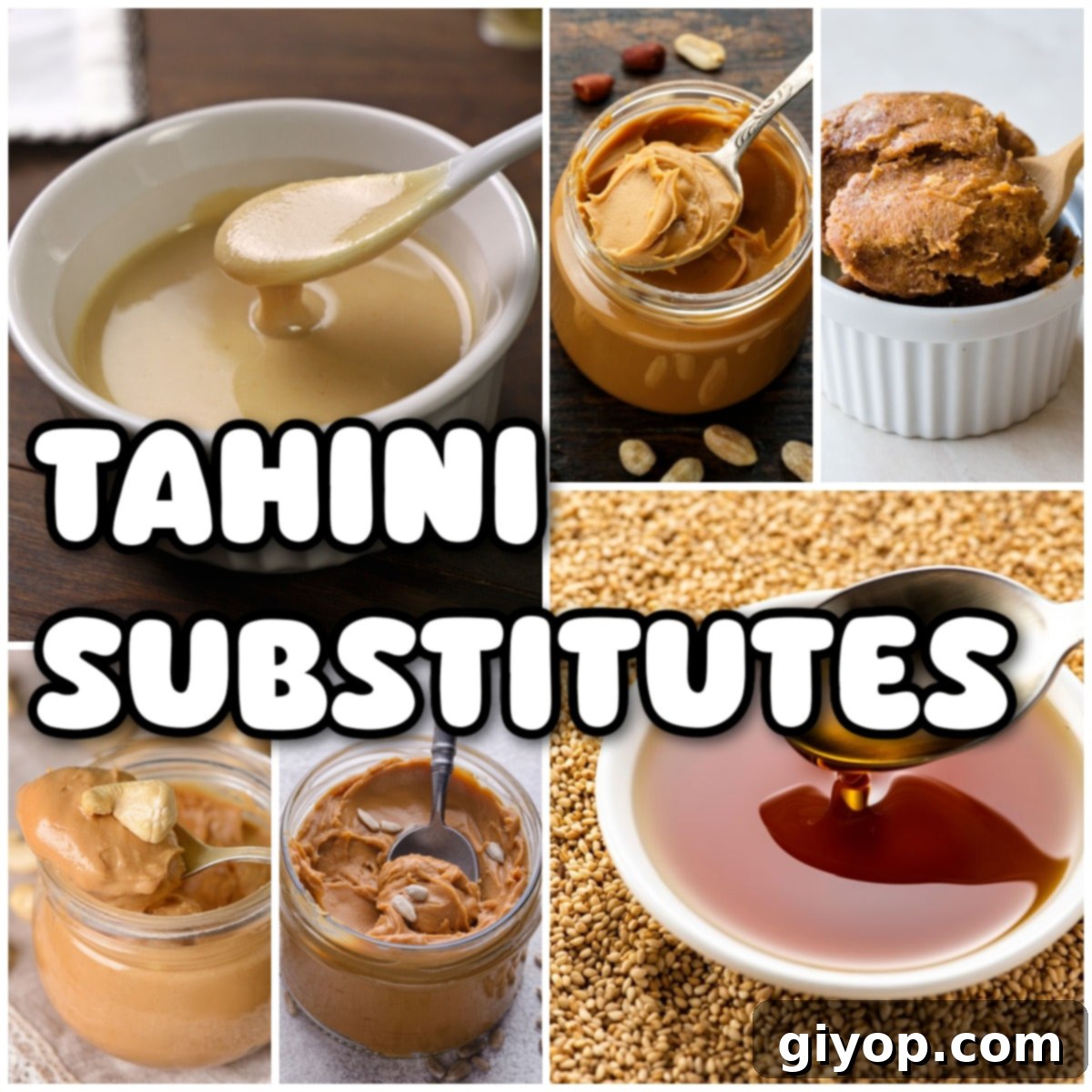
Exploring the vibrant world of Mediterranean cooking often means navigating a pantry well-stocked with essential ingredients. Among these, tahini paste stands out as a fundamental component, lending its unique creamy texture and distinctive nutty flavor to countless dishes. From the silken richness of hummus to the earthy depth of baba ganoush, tahini is a cornerstone of this beloved cuisine. However, finding yourself without this versatile sesame paste when a recipe calls for it can be a common culinary dilemma. Fortunately, a simple list of readily available swaps means you don’t have to put your cooking plans on hold or rush to the grocery store. This comprehensive guide will help you understand tahini better and equip you with the best substitutes to ensure your dishes always turn out delicious.
[feast_advanced_jump_to]
Before diving into substitutes, it’s worth noting that the convenience of making homemade tahini is often overlooked. With just a few simple ingredients—primarily sesame seeds and a neutral oil—and a little time, you can create this nutty, creamy sauce right in your own kitchen. This DIY approach not only ensures a fresh, authentic flavor but also offers a rewarding culinary experience.
What is Tahini? Understanding This Versatile Sesame Paste
Tahini is a fundamental paste made from toasted and finely ground sesame seeds. Originating in Middle Eastern and Mediterranean regions, it boasts a remarkably creamy texture and a distinctive nutty, earthy flavor that makes it an incredibly versatile ingredient. Its culinary applications span both sweet and savory dishes, acting as a thickener, emulsifier, and flavor enhancer. Rich in healthy fats, protein, and essential minerals like calcium and iron, tahini is not just flavorful but also a nutritious addition to any diet.
In Mediterranean and Middle Eastern cuisine, tahini is a key component in a vast array of beloved recipes. It is indispensable for creating the smooth, rich consistency and signature taste of hummus, a popular dip made from chickpeas. Similarly, it provides the smoky, creamy base for baba ganoush, an eggplant dip. Beyond these well-known dishes, tahini also forms the foundation for various salad dressings, sauces, marinades, and even desserts like halva, showcasing its incredible adaptability.
What Does Tahini Taste Like? Unpacking its Unique Flavor Profile
Tahini possesses a rich, complex flavor that is predominantly nutty and earthy, often accompanied by a subtle hint of bitterness. This unique flavor profile is deeply influenced by the type of sesame seeds used and the extent to which they are toasted and processed. Generally, the more toasted the sesame seeds, the deeper and more pronounced the nutty flavor will be, sometimes intensifying the inherent bitterness. This depth adds an umami quality that can elevate a dish from good to extraordinary.
While tahini’s flavor is truly distinctive, it’s not irreplaceable. The goal when seeking a tahini substitute is to either replicate its creamy texture and savory depth or to find an alternative that complements the other ingredients in your dish effectively. Understanding its flavor characteristics is key to choosing the best alternative that will match the desired outcome of your recipe, allowing you to confidently experiment without compromising on taste.
Why You Might Need a Tahini Substitute
Even with its widespread popularity, there are several reasons why you might find yourself searching for a suitable tahini alternative:
- Availability: Tahini, while increasingly common, might not always be readily available in every local grocery store, especially in smaller towns or specific regions.
- Cost: High-quality tahini can sometimes be on the pricier side, making a more affordable substitute an attractive option for budget-conscious cooks.
- Allergies: Sesame is a common allergen. For individuals with sesame allergies or those cooking for guests with such sensitivities, a safe, nut-free, or seed-free substitute is essential.
- Running Out: It’s a classic kitchen scenario – you’re halfway through a recipe only to discover you’ve run out of a key ingredient like tahini.
- Preference: While many adore tahini’s unique taste, some might find its slight bitterness or intense flavor not to their liking, prompting a search for milder alternatives.
Regardless of the reason, having a range of tahini substitute options at your disposal ensures that your culinary creativity never hits a roadblock.
Tahini Substitute Options for Mediterranean Cooking
When it comes to Mediterranean cooking, tahini is an essential ingredient that adds a rich, nutty flavor and a desirable creamy texture to dishes. However, if you find yourself running low on this sesame seed paste or simply don’t have any in your pantry, don’t worry! There are plenty of excellent substitutes that can work just as well in your recipes, allowing you to maintain the essence of your favorite dishes.
Nut and Seed Butters: The Closest Tahini Alternatives
In my experience, seed butters often provide the most analogous texture and flavor profile to tahini, making them the best direct substitutes. However, if seed butters aren’t available, or if you’re looking for different flavor nuances, a variety of nut butters also offer fantastic alternatives that can seamlessly integrate into your Middle Eastern and Mediterranean dishes.
- Peanut Butter: This creamy, widely available spread makes a surprisingly effective tahini substitute. It shares a similar texture and consistency, making it excellent for dips, sauces, and dressings. While peanut butter has a distinctively sweeter and stronger flavor than tahini, it adds a rich, nutty depth. You might need to adjust the amount used in your recipe, starting with slightly less and adding more to taste, especially in savory applications like stir-fries or some Asian-inspired sauces where its flavor can be a welcomed addition. For a smoother consistency, you can thin it with a little warm water or olive oil.
- Almond Butter: A popular and healthier alternative, almond butter offers a slightly milder and sweeter flavor profile compared to tahini, yet still provides that rich, creamy texture essential for many dishes. It works particularly well in salad dressings, marinades, and even some baked goods where a delicate nutty flavor is desired. Its lighter color also makes it a good choice if you’re concerned about preserving the visual appeal of your dish. Be sure to use unsweetened varieties for savory recipes.
- Cashew Butter: For an exceptionally mild and slightly sweeter substitute, cashew butter is an excellent choice. It boasts a remarkably smooth and velvety texture, often even creamier than other nut butters. This makes it ideal for dishes where you want to add richness and body without an overpowering nutty flavor, such as in lighter hummus variations, creamy sauces, or as a delightful topping for roasted vegetables. Its sweetness also makes it suitable for certain desserts.
- Pumpkin Seed Butter: A fantastic nut-free option, pumpkin seed butter (often called “pepita butter”) delivers a rich, earthy, and slightly herbaceous flavor. It’s packed with nutrients and provides a vibrant green hue, which can add an interesting visual element to your dishes. This versatile butter can be used in savory applications like pestos, creamy soups, and dressings, or as a unique spread on toast. Its distinct taste might require minor adjustments to other seasonings in your recipe.
- Sunflower Seed Butter (SunButter): For those with nut allergies, sunflower seed butter is a stellar, allergy-friendly alternative to tahini. It has a similar thick, creamy texture and a robust, earthy flavor that can sometimes be more intense than tahini itself. It can be used in equal amounts in most recipes, from dips and spreads to savory sauces. A fun fact: when baked with leavening agents like baking soda, sunflower seed butter can sometimes react and turn green, which is harmless but good to be aware of!
Pantry Staples: Creative Tahini Alternatives
If you’re dealing with nut or seed allergies in your family, or simply don’t have any specialty butters on hand, don’t worry! Your pantry likely holds several other creative options that can help you achieve a similar flavor, texture, or creamy consistency in your meals, ensuring no recipe is out of reach.
- Sesame Oil: This ingredient is a fantastic way to impart that distinct nutty, sesame flavor without needing actual tahini paste. There are two main types: light (untoasted) sesame oil, which is milder and used for cooking, and toasted sesame oil, which has a much stronger, more aromatic flavor and is typically used as a finishing oil. For tahini’s flavor, opt for toasted sesame oil. Keep in mind that sesame oil is a liquid, so it won’t provide the thickness of tahini. You may need to combine it with a thickener like a small amount of flour or cornstarch slurry, or a creamy base like Greek yogurt or a blended chickpea paste to achieve the desired consistency.
- Greek Yogurt: In recipes where tahini primarily contributes to a creamy texture and tang, such as certain creamy sauces or dips, plain Greek yogurt can be an excellent substitute. While it won’t add the nutty flavor of tahini, it provides a rich, thick consistency and a pleasant tang. For a closer approximation of tahini’s flavor, you could whisk a teaspoon of toasted sesame oil into the Greek yogurt. Ensure you use plain, unsweetened Greek yogurt for savory applications.
- Creamy Hummus: If the recipe you’re making is a dip and calls for tahini (like more hummus or a similar spread), using store-bought or homemade hummus can work well as a convenient shortcut. It already contains chickpeas, tahini (usually), olive oil, and lemon juice, making it a flavorful base. Just be aware that hummus has its own set of added flavors, which will slightly alter the taste profile of your dish. It’s more of a “hummus base” substitute than a pure tahini substitute.
- Miso Paste: This fermented soybean paste, a staple in Asian cuisine, can surprisingly work as a tahini substitute, particularly white or yellow miso. It offers a similar depth of savory, umami flavor and a creamy texture. White miso, being the mildest and slightly sweet, is usually the best choice. It adds a fermented complexity and richness that can stand in for tahini in dressings, marinades, and even some savory dips.
- Coconut Cream: For a dairy-free and nut-free alternative that provides excellent creaminess, coconut cream is a great option. It adds a luxurious texture and a subtle sweetness to dishes, making it a suitable substitute for dressings, marinades, or even certain curries where tahini’s flavor isn’t the primary focus. Be mindful of its distinct coconut flavor, which may or may not complement your dish. Use full-fat coconut cream from a can, chilling it first to easily scoop off the thick cream.
- Chickpeas (Blended): If you’re out of tahini but still aim for that classic hummus-like texture and structure, blending canned chickpeas with some olive oil, a splash of water, lemon juice, and a pinch of salt can create a similar thick paste. While it won’t have the sesame flavor, it provides the bulk and consistency needed for dips and spreads. To introduce a hint of tahini-like flavor, consider adding a tiny bit of toasted sesame oil to your chickpea paste.
- Nutritional Yeast: While not a texture substitute, nutritional yeast can be a valuable addition when tahini is used for its savory, umami, and slightly cheesy depth in vegan recipes. It won’t provide creaminess but can enhance the overall flavor profile, especially when combined with another creamy base like Greek yogurt or blended chickpeas.
Tips For Successfully Substituting Tahini In Recipes
When you embark on substituting tahini in your cherished recipes, it’s crucial to consider the interplay of flavor, texture, and consistency that the alternative ingredient will bring to the dish. Thoughtful selection ensures your culinary creations remain delicious and true to their intended profile. Here are some essential tips to guide your choice and help you achieve the best possible results:
- Match the Flavor Profile: Tahini has a distinct nutty, earthy, and often slightly bitter flavor. When selecting a substitute, aim for ingredients that either closely replicate these notes or offer a complementary flavor that harmonizes with the other components of your dish. For savory applications, prioritize unsweetened nut or seed butters. If the recipe calls for tahini’s subtle bitterness, a tiny pinch of lemon zest or a small amount of dark roasted nut butter can sometimes mimic this.
- Achieve the Right Texture and Consistency: The creamy, emulsifying texture of tahini is a crucial component in many recipes, particularly in dips and dressings. Your chosen substitute should ideally have a similar consistency to ensure the desired mouthfeel and structural integrity of your dish. If your chosen substitute is too thick (like some nut butters), thin it with a little warm water, lemon juice, or olive oil until it reaches a spreadable, pourable consistency. Conversely, if it’s too thin (like sesame oil), combine it with a thickening agent such as blended chickpeas, Greek yogurt, or a small amount of starch.
- Adjust Quantities and Seasoning: Some substitutes may possess a stronger or milder flavor than tahini. It’s always a good practice to start with a smaller amount of the substitute than what the recipe calls for, especially with intensely flavored options like peanut butter or toasted sesame oil. Taste as you go and gradually add more until you achieve the perfect balance of flavor. You might also need to adjust other seasonings in your recipe, such as salt, acid (like lemon juice), or spices, to compensate for the flavor differences introduced by the substitute.
- Consider the Color: Be mindful that some tahini substitutes, particularly pumpkin seed butter or sunflower seed butter, can impart a noticeable color change to your final dish. While this is purely aesthetic and harmless, it’s a factor to consider if the visual presentation is important.
- Prioritize Dietary Needs: If you’re substituting tahini due to a sesame allergy, ensure that your chosen alternative is truly allergen-free and has not been cross-contaminated during processing. Always double-check ingredient labels.
By thoughtfully applying these tips, you can confidently replace tahini in your recipes, adapting and experimenting without compromising on the delicious flavors or the appealing textures of your culinary creations. Don’t let a missing ingredient deter you from enjoying your favorite Mediterranean dishes!
Is Black Sesame Paste the Same Thing As Tahini?
While both black sesame paste and tahini are made from ground sesame seeds, they are not exactly the same thing. The primary distinction lies in the type of sesame seeds used and their processing. Tahini is typically made from hulled, lightly toasted, and ground white sesame seeds, resulting in its characteristic pale, light brown color and nutty, slightly bitter flavor.
Black sesame paste, on the other hand, is made from unhulled, usually more intensely roasted, black sesame seeds. This difference in processing and the outer hull gives black sesame paste a much darker, almost black color and a more robust, often sweeter, and intensely nutty flavor profile compared to traditional tahini. Its flavor is deeper, sometimes with a more pronounced roasted aroma.
In terms of flavor and texture, black sesame paste can indeed work as a substitute for tahini in many recipes, particularly those where a strong, roasted sesame flavor is desired and the dark color is not a concern. It is especially popular in Asian desserts and some savory dishes. However, be aware that its intense color will significantly alter the appearance of dishes like hummus or baba ganoush, which are typically light in hue. For flavor, it’s a great swap, but for color and traditional appearance, it’s a distinct alternative.
For those eager to dive into the world of sesame-infused cuisine, I’ve curated the ultimate list of recipes with tahini that showcases its incredible versatility. From creamy dips and hearty main courses to delightful sweets, you’ll find inspiration to use this unique ingredient in exciting new ways. Don’t miss this fantastic collection designed to elevate your cooking!
Related Articles
- Need a Vegan Baking Egg Substitute? Check out this post for excellent plant-based alternatives to ensure your baked goods are perfect every time.
- Not enough oregano for your Italian or Mediterranean dishes? No worries! These Oregano Substitutes allow you to experiment while preserving the unique, aromatic flavors of your recipe.
- A homemade Cream of Chicken Soup substitute is an excellent, healthier, and often more flavorful alternative to the store-bought condensed soup for your casseroles and sauces.
- If you find yourself out of nutmeg but your recipe demands it, I’ve got the perfect solutions for you. Keep this handy Nutmeg Substitute guide in your kitchen for flavorful spice swaps.