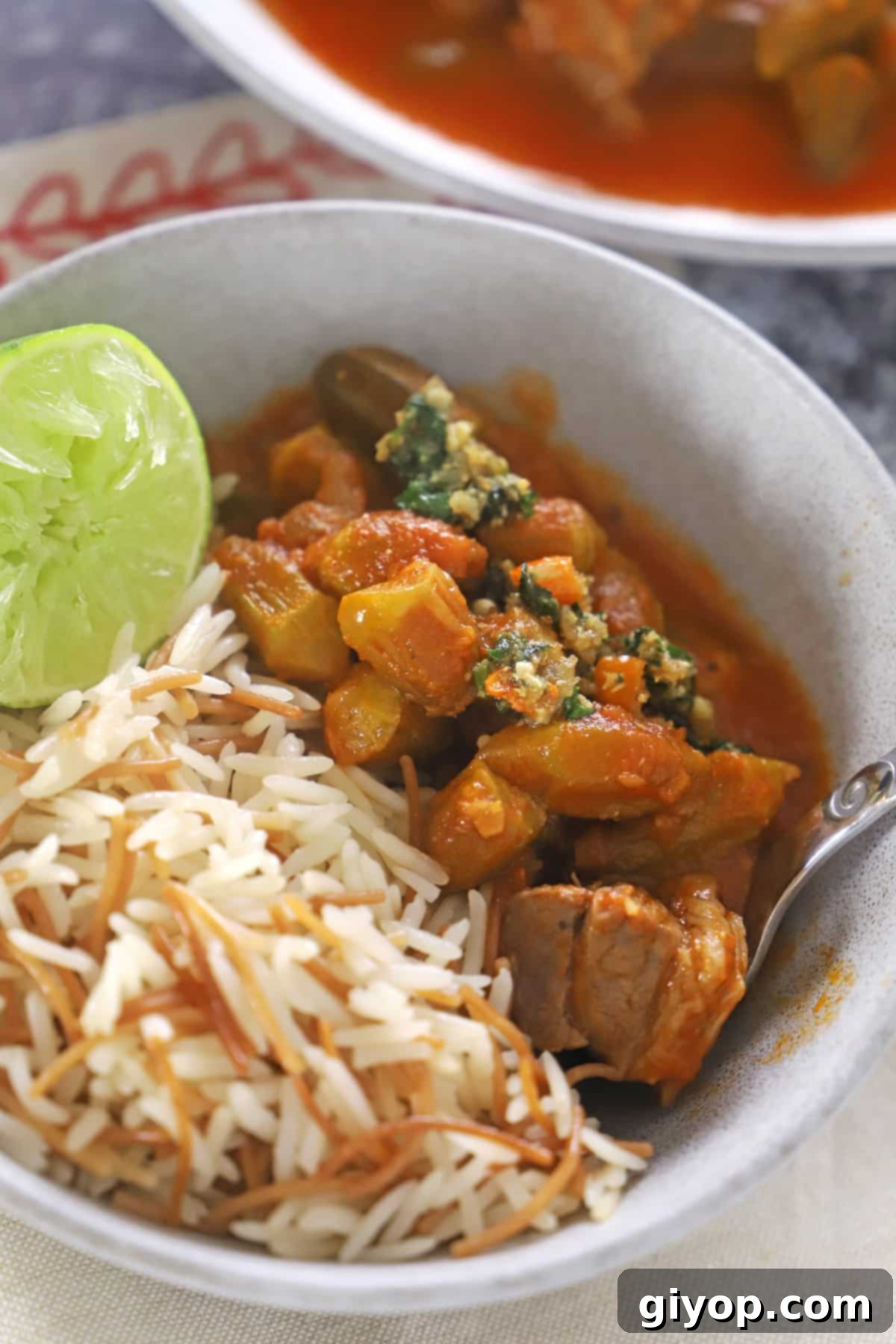
Embark on a culinary journey to the heart of the Middle East with Bamya, a deeply flavorful and comforting okra stew. This iconic dish, a staple in Egyptian cuisine, elegantly combines tender lamb, succulent okra, and ripe tomatoes with an aromatic blend of herbs and spices. While variations of okra stew are cherished across the Mediterranean, the Egyptian rendition holds a special place, celebrated for its rich depth and unique aromatic finish. This recipe unveils a distinct Egyptian style of Bamya, promising a taste experience that is both authentic and incredibly satisfying.
Known affectionately as ‘Bamya’ or ‘Bamia’, this stew is more than just a meal; it’s a testament to Egypt’s vibrant culinary heritage. Within Egypt, you’ll discover several beloved interpretations of Bamya, each with its own regional nuances. Having previously explored the Cairo-style Bamya stew, we now delve into another exquisite version, one that brings its own charm and flavor profile from a different corner of Egypt. Traditionally, Egyptians relish Bamya alongside fluffy vermicelli rice or warm, pliable pita bread, often elevated by a generous squeeze of fresh lemon juice, which brightens the dish and cuts through its richness.
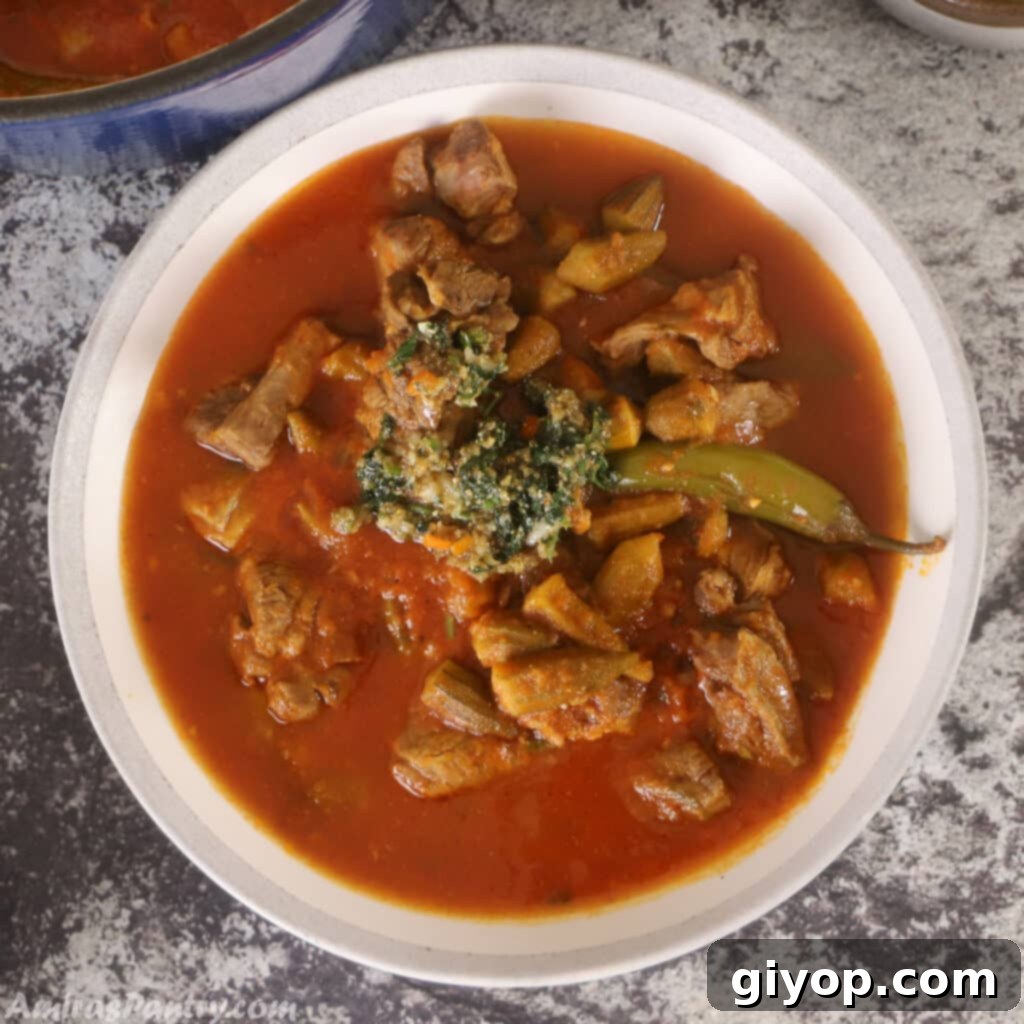
The Essence of Egyptian Bamya: A Culinary Tradition
Bamya, a name that resonates with warmth and tradition throughout Egyptian households, is a stew that perfectly encapsulates the country’s rich culinary narrative. It’s a dish often passed down through generations, with each family adding its unique touch. The magic of Egyptian Bamya lies in its harmonious blend of simple yet potent ingredients, transformed through slow simmering into a comforting and profoundly flavorful meal. The star ingredients—okra, tomatoes, and lamb—are not merely combined; they are orchestrated to create a symphony of tastes and textures that is truly unforgettable.
Okra, the slender green pod central to this stew, is a nutritional powerhouse, rich in vitamins C and K, and dietary fiber. It’s also known for its unique texture, which, when cooked correctly, adds a wonderful, slightly gelatinous quality that thickens the stew naturally. The lamb, meticulously prepared, offers a savory depth that enriches the tomato-based sauce, making every spoonful a hearty delight. This stew isn’t just about feeding the body; it’s about nourishing the soul with its deeply ingrained cultural significance and comforting appeal.
Unveiling the Ingredients for an Authentic Okra Stew
Crafting the perfect Bamya requires two distinct sets of ingredients, each playing a crucial role in developing the stew’s complex flavor profile. The first set forms the foundational stew itself, centering on the triumvirate of lamb, okra, and tomatoes, augmented by a selection of aromatic spices and herbs. The second set introduces the “Tasha,” a potent garlic relish that serves as both an internal flavor enhancer and a vibrant topping.
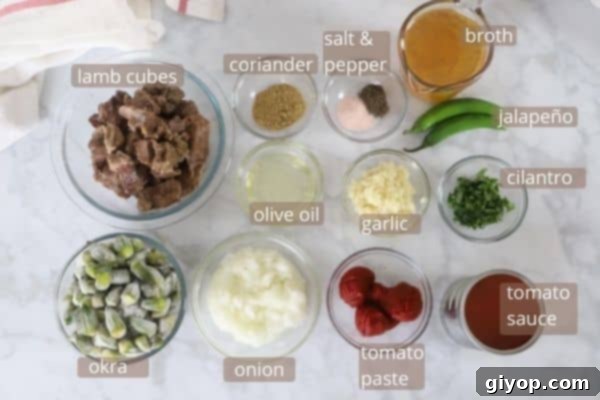
Main Stew Components:
For the primary stew, you’ll need already cooked and tender lamb cubes. Preparing the lamb correctly is paramount for a truly authentic taste and texture. Detailed instructions for boiling lamb cubes are provided in the recipe card below. If you opt for beef, follow a similar boiling process as demonstrated in our Egyptian Fattah recipe to ensure it’s perfectly tender and flavorful before adding it to the stew. The lamb or beef broth produced during this boiling process will also be vital for the stew’s liquid base, contributing significantly to its overall richness.
Beyond the meat, key elements include fresh or frozen okra, preferably baby okra for its delicate texture and less pronounced sliminess. Tomatoes, in the form of rich tomato paste and vibrant tomato sauce, provide the stew’s characteristic tangy and sweet base. Onions, garlic, ground coriander, and fresh cilantro form the aromatic backbone, lending a distinctly Mediterranean and Egyptian character. For those who appreciate a kick, jalapeño peppers are a fantastic addition, offering a subtle warmth that complements the other flavors without overpowering them.
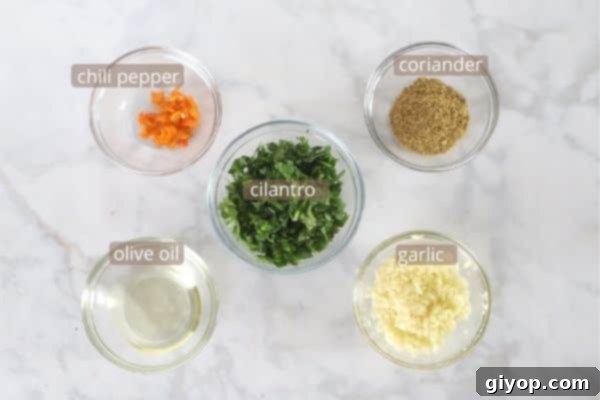
The Signature Garlic Relish (Tasha):
The “Tasha” is a glorious garlic relish that truly sets Egyptian Bamya apart. This vibrant mix of sautéed garlic, fresh cilantro, ground coriander, and optional chili peppers is divided into two parts: one portion is stirred into the stew during the final stages of cooking, infusing it with an intense burst of fresh aromatics, while the other is reserved as a fresh, piquant topping for individual bowls. This dual application ensures that the garlic and herb flavors are present throughout the dish, from its deeply simmered core to its bright, fragrant finish.
Mastering the Art of Bamya: Step-by-Step
Creating this exquisite lamb and okra stew is a rewarding process, involving careful layering of flavors and textures. Follow these detailed steps to achieve an authentic and delicious Bamya that will transport your taste buds straight to Egypt.
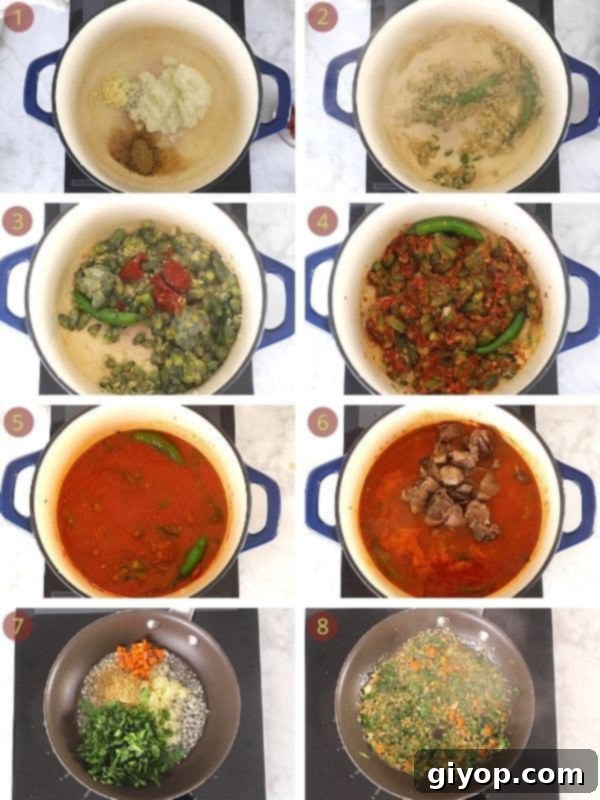
- **Initiate the Aromatic Base:** Begin by heating a generous amount of olive oil in a large, heavy-bottomed pot or Dutch oven over medium heat. Once shimmering, add finely diced onion, minced garlic, and ground coriander. Sauté these aromatics for approximately 2-3 minutes, stirring constantly, until the onions soften and become translucent, and the mixture releases a wonderfully fragrant aroma. This step is crucial for building the foundational flavor of your stew.
- **Infuse with Fresh Cilantro and Spice:** Next, stir in the freshly chopped cilantro. Continue to cook for another minute, allowing the cilantro to wilt slightly and its fresh, herbaceous scent to permeate the pot. At this stage, incorporate the jalapeño peppers (if using), stirring them in for about a minute to release their subtle heat and flavor into the aromatic base. If you prefer less heat, consider using bell peppers as a milder alternative.
- **Introduce Okra and Tomato Paste:** Gently fold in the okra (fresh or frozen) and the rich tomato paste. The tomato paste, a concentrated form of tomato flavor, will add depth and a beautiful color to the stew.
- **Develop Tomato Flavor:** Continue stirring the mixture consistently for a few minutes. This process allows the tomato paste to cook down slightly, intensifying its flavor and ensuring it is thoroughly distributed, coating the okra and other aromatics evenly. You’ll notice the color deepen and the aroma become more pronounced.
- **Simmer the Stew:** Pour in the tomato sauce and the pre-made lamb or beef broth. Season generously with salt and freshly ground black pepper. Bring the entire mixture to a gentle boil, then immediately reduce the heat to low, cover the pot, and let it simmer for 20 minutes. This allows the flavors to meld and the okra to begin softening.
- **Integrate the Lamb:** After 20 minutes, add the pre-cooked lamb cubes to the stew. Stir gently to combine them with the simmering sauce. Continue to cook on low heat, covered, until the okra reaches your desired tenderness. The cooking time will vary depending on whether you’re using baby okra or larger pods, and whether they are fresh or frozen.
- **Prepare the Garlic Relish (Tasha):** While the stew simmers, prepare the exquisite garlic relish. Heat olive oil in a separate non-stick skillet over medium-high heat. Add the minced garlic, ground coriander, chopped cilantro, and diced chili peppers (if using for extra heat).
- **Flavor Burst Activation:** Sauté the relish ingredients for a minute or two, stirring constantly, until they become incredibly fragrant. Be careful not to burn the garlic. Once aromatic, pour half of this potent relish directly into the okra pot. Stir it in thoroughly and let the stew simmer for an additional 4 minutes. This final infusion of fresh garlic and herbs creates a vibrant burst of flavor that is characteristic of authentic Egyptian Bamya. Reserve the remaining half of the relish to use as a fresh topping when serving individual bowls.
Expert Tips for a Flawless Bamya
Achieving the perfect Bamya is an art, and these expert tips will guide you to a consistently delicious and authentic outcome:
- **Optimal Okra Selection:** For the finest Mediterranean okra stew, prioritize using baby okra. Its delicate size and texture contribute significantly to the dish’s overall appeal. You can often find frozen baby okra in Middle Eastern specialty markets. If baby okra isn’t available, standard frozen okra from your local grocery store will work wonderfully; simply ensure it’s good quality.
- **Handling Fresh Okra:** If you choose to use fresh baby okra, meticulous cleaning and preparation are key. Wash them thoroughly, then pat them completely dry before trimming the caps. To minimize the natural sliminess that okra can produce, some cooks recommend soaking trimmed fresh okra in a mixture of water and vinegar for 15-20 minutes, then rinsing and drying thoroughly, or simply cutting them into larger chunks to reduce the exposed mucilage.
- **Meat Alternatives:** While lamb offers a traditional richness, beef is an excellent substitute. If using beef, ensure it’s cooked until fork-tender, following a similar method to our Fattah recipe for perfectly prepared beef cubes. The goal is tender, succulent meat that readily absorbs the stew’s flavors.
- **The Art of Boiling Lamb:** Proper lamb preparation is crucial. It’s highly recommended to boil the lamb cubes for an initial 4 minutes, then discard this initial batch of water. This process helps to remove impurities and any strong, gamey odors. Subsequently, boil the lamb again with fresh water, along with your chosen aromatic spices and vegetables (like onion, carrot, celery, bay leaves, and peppercorns). If, after this second boil, you still detect an unpleasant odor or excessive greasiness in the water, don’t hesitate to repeat the dumping and re-boiling process one more time. This ensures a clean-tasting and flavorful broth.
- **Preventing Okra Scorching:** Okra is delicate and can easily scorch or stick to the bottom of the pot if not monitored. To prevent this, always cook your Bamya on low heat. Stir the stew gently but consistently every few minutes, especially during the simmering phase, to ensure even cooking and prevent any sticking. A heavy-bottomed pot or Dutch oven is also highly recommended for its even heat distribution.
- **Adjusting Spice Levels:** Be mindful of chili pepper heat, especially when cooking for a diverse group. If your chili peppers are particularly potent or if you’re serving children, consider omitting them from the main stew entirely. Instead, offer diced chili pepper as an optional topping, allowing individuals to customize their level of spice.
- **Enhanced Flavor Over Time:** One of the magical qualities of Bamya, much like many stews, is that its flavors deepen and meld beautifully over time. It keeps exceptionally well in the refrigerator for several days and is often even more delicious the day after it’s made, making it an ideal dish for meal prepping or entertaining.
- **Consistency is Key:** The desired consistency of Bamya varies, but generally, it should be a hearty, thick stew, not overly watery. If your stew appears too thin, you can uncover it during the last 10-15 minutes of simmering to allow some of the liquid to evaporate. If it’s too thick, add a little extra broth or hot water until it reaches your preferred consistency.
Serving Suggestions: The Egyptian Way
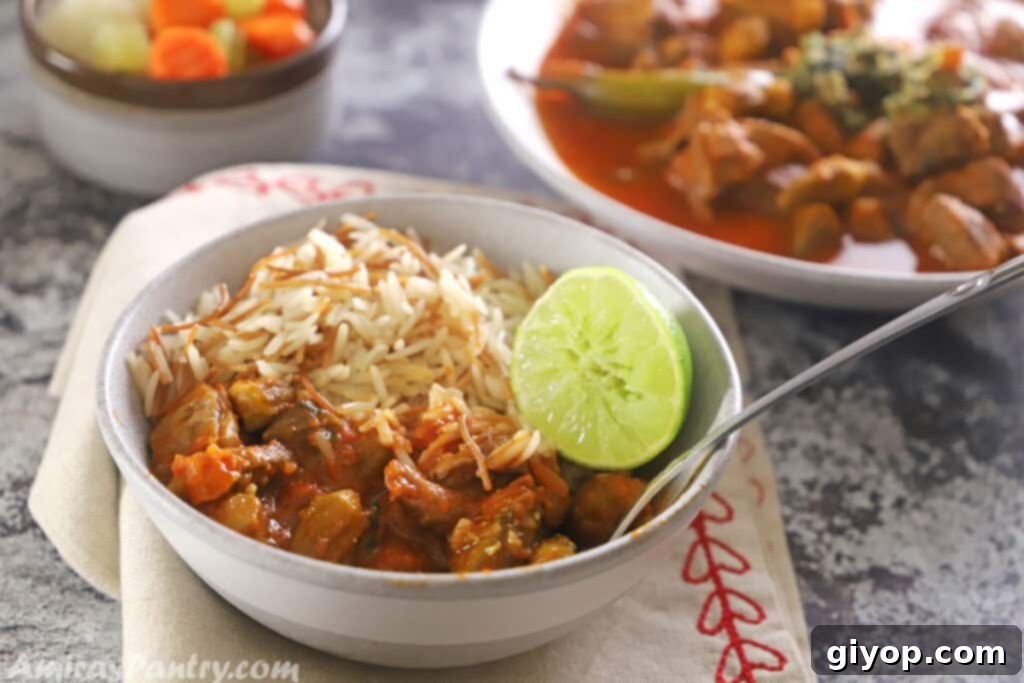
Serving Bamya is an experience in itself, with traditional accompaniments that enhance its rich flavors. To enjoy Bamya the authentic Egyptian way, always include some fresh lemon wedges on the side. A squeeze of tart lemon juice over the warm stew just before eating brightens every spoonful and beautifully complements the rich tomato and lamb base.
Bamya pairs wonderfully with various forms of rice, particularly fluffy vermicelli rice, a popular choice in Egyptian households. Its subtle flavor and light texture provide a perfect canvas for the robust stew. Other excellent rice options include simple white rice, aromatic basmati rice, or even wholesome brown rice. For those who prefer bread, warm, soft pita bread or nutritious whole wheat pita are ideal for scooping up every last drop of the flavorful stew.
A Note on Flavors and Variations
This Bamya recipe is a testament to bold flavors and satisfying textures. Its distinctive taste profile is largely derived from the generous use of fresh garlic, vibrant cilantro, and earthy coriander. These ingredients are foundational to Egyptian cooking and contribute to the stew’s unforgettable character. If you find yourself sensitive to garlic, you have the option to reduce the amount used in this recipe. Alternatively, you might explore the Cairo version of Bamya mentioned earlier, which often features a slightly different garlic approach.
This versatile dish can also be easily adapted to suit dietary preferences. For a delightful vegetarian Bamya, simply omit the lamb and use a rich vegetable broth as the liquid base. This substitution allows the flavors of the okra, tomatoes, and aromatic herbs to truly shine, offering a wholesome and equally satisfying meal.
If you’ve enjoyed preparing this recipe, we encourage you to share your culinary creation! Don’t forget to give it a ⭐⭐⭐⭐⭐ star rating and attach a photo of your finished dish. It is always a pleasure to see your photos and discover your unique take on this traditional recipe. Your feedback and contributions are greatly appreciated!
Bamya (Egyptian Okra Stew with Lamb)
Bamya with lamb is a quintessential Egyptian and Mediterranean stew. This deeply flavorful dish features tender lamb, succulent okra, and ripe tomatoes simmered with a rich blend of traditional spices and aromatic herbs, creating a fragrant and hearty meal perfect for any occasion.
Rated 4.89 from 18 votes.
Print Recipe | Pin Recipe
Ingredients
For boiling the lamb:
- 2 mastic pieces
- 1 pound lamb (Note 1)
- 1 small onion
- 2 garlic cloves
- 1 small carrot, cut into chunks
- 1 celery stalk, cut into chunks
- ¼ cup cilantro, chopped
- 1 teaspoon 7-spice blend
- 2 teaspoon black pepper
- ¼ teaspoon cinnamon
- ¼ teaspoon ground cardamom
- 2 bay leaves
For the okra stew:
- 3 Tablespoons olive oil
- 1 medium (200g) onion, diced
- 5 garlic cloves, minced (1.5 Tablespoons)
- ½ Tablespoon freshly ground coriander
- 2 jalapeño peppers (leave out or replace by bell pepper if you do not want the heat)
- 2 Tablespoon fresh cilantro, chopped
- 1 bag (14oz) frozen baby okra (Note 2)
- 4 Tablespoons tomato paste
- 1 can (15oz) tomato sauce
- 2 cups broth (beef or lamb)
- 1 teaspoon salt, or to taste
- ½ teaspoon black pepper
For the garlic relish/mix (Tasha):
- 3 Tablespoons olive oil
- 5 garlic cloves, minced
- 1 Tablespoon freshly ground coriander
- ½ cup fresh cilantro, chopped
- 1 tablespoon red chili pepper, diced (Optional for extra heat)
Instructions
Cook the lamb:
- In a deep pot over high heat, bring about 4 liters of water to a rolling boil.
- Add lamb pieces to the boiling water and allow it to return to a rapid boil for 3-4 minutes.
- Using a slotted spoon, carefully remove the meat and discard all the water (Note 3).
- In the same pot, add fresh tap water, mastic, and onion, then bring it to a boil again.
- Return the lamb pieces to the pot, along with all the remaining spices, herbs, and vegetables.
- Bring the mixture to a boil, then reduce the heat to low and simmer until the lamb is tender. This typically takes about 20 minutes, depending on the cut and size of the lamb.
Cook the okra stew:
- In a Dutch oven or large pot, heat olive oil over medium heat.
- Add diced onion, minced garlic, and ground coriander, then sauté for about 2-3 minutes until fragrant and the onion is translucent.
- Stir in the chopped cilantro and cook until fragrant, approximately another 30 seconds.
- Add the jalapeño peppers (if using) and continue stirring for about a minute.
- Now, thoroughly mix in the okra and tomato paste.
- Pour in the tomato sauce and the prepared broth.
- Season with salt and pepper, and bring the entire mixture to a gentle boil.
- Reduce the heat to low, cover the pot, and let it simmer for 20 minutes (Note 4).
- Add the cooked lamb cubes to the stew and continue to simmer for another 10 minutes, or until the okra is tender and the flavors have fully melded.
Make the garlic topping (Tasha):
- Heat olive oil in a non-stick skillet over medium-high heat.
- Add minced garlic, cilantro, ground coriander, and chili pepper (if using).
- Sauté the mixture until it becomes incredibly fragrant, typically taking about two to three minutes. Be careful not to burn the garlic.
- Add half of this aromatic mixture to the simmering okra stew. Stir it in thoroughly and allow the stew to simmer for an additional 3-4 minutes (Note 5).
Serve:
- Serve the Bamya hot, topped with the remaining fresh Tasha mixture. Enjoy with your favorite accompaniments.
Notes
Note 1: You can use beef instead of lamb. Cook beef as we did in the fattah recipe to ensure it is tender before adding to the stew.
Note 2: Baby okra is highly recommended for the best texture and flavor. Both frozen and fresh okra can be used, but frozen is often preferred for its reduced sliminess. If using fresh okra, avoid washing until ready to use, and consider cutting it into larger chunks to minimize mucilage release.
Note 3: If, after the initial boil, the water appears excessively greasy or the lamb retains an unpleasant odor, repeat the process of boiling, draining the water, and starting with fresh water once more. This ensures a clean and pure flavor for your lamb broth and meat.
Note 4: To prevent the okra from scorching and sticking to the bottom of the pot, it is crucial to cook the stew on low heat and stir it gently but consistently a couple of times throughout the simmering process.
Note 5: The intensity of chili peppers can vary greatly. If your chili pepper is particularly hot, or if you are serving children, you might consider adding less to the stew or serving it entirely as an optional topping for individual servings. This allows everyone to customize their preferred level of heat.
Note 6: Okra stew is a dish that often improves with time. It stores very well in the fridge and is arguably even better the next day, as the flavors have more time to deepen and meld.
Variations:
This recipe can easily be transformed into a delicious vegetarian dish by omitting the meat entirely and substituting the lamb or beef broth with a flavorful vegetable stock.
Serve with:
Bamya is traditionally enjoyed with rice with vermicelli, plain white rice, aromatic basmati rice, or wholesome brown rice. Many also enjoy it with fresh pita bread for dipping. For an authentic Egyptian touch, always serve with a generous squeeze of fresh lemon juice.
Please check the nutrition disclaimer policy. Vitamins are in percentage value. Percent Daily Values are based on a 2,000 calorie diet. Your daily values may be higher or lower depending on your calorie needs.
Nutrition Information (per serving)
Calories: 299.4kcal | Carbohydrates: 16.3g | Protein: 20.2g | Fat: 18.5g | Saturated Fat: 3.5g | Polyunsaturated Fat: 2g | Monounsaturated Fat: 11.7g | Cholesterol: 49.1mg | Potassium: 761.2mg | Fiber: 4.4g | Sugar: 7.4g | Vitamin A: 13.5IU | Vitamin C: 41mg | Calcium: 9mg | Iron: 16.3mg
Tried this Recipe? Pin it for Later! Mention @AmirasPantry or tag #AmirasPantry!