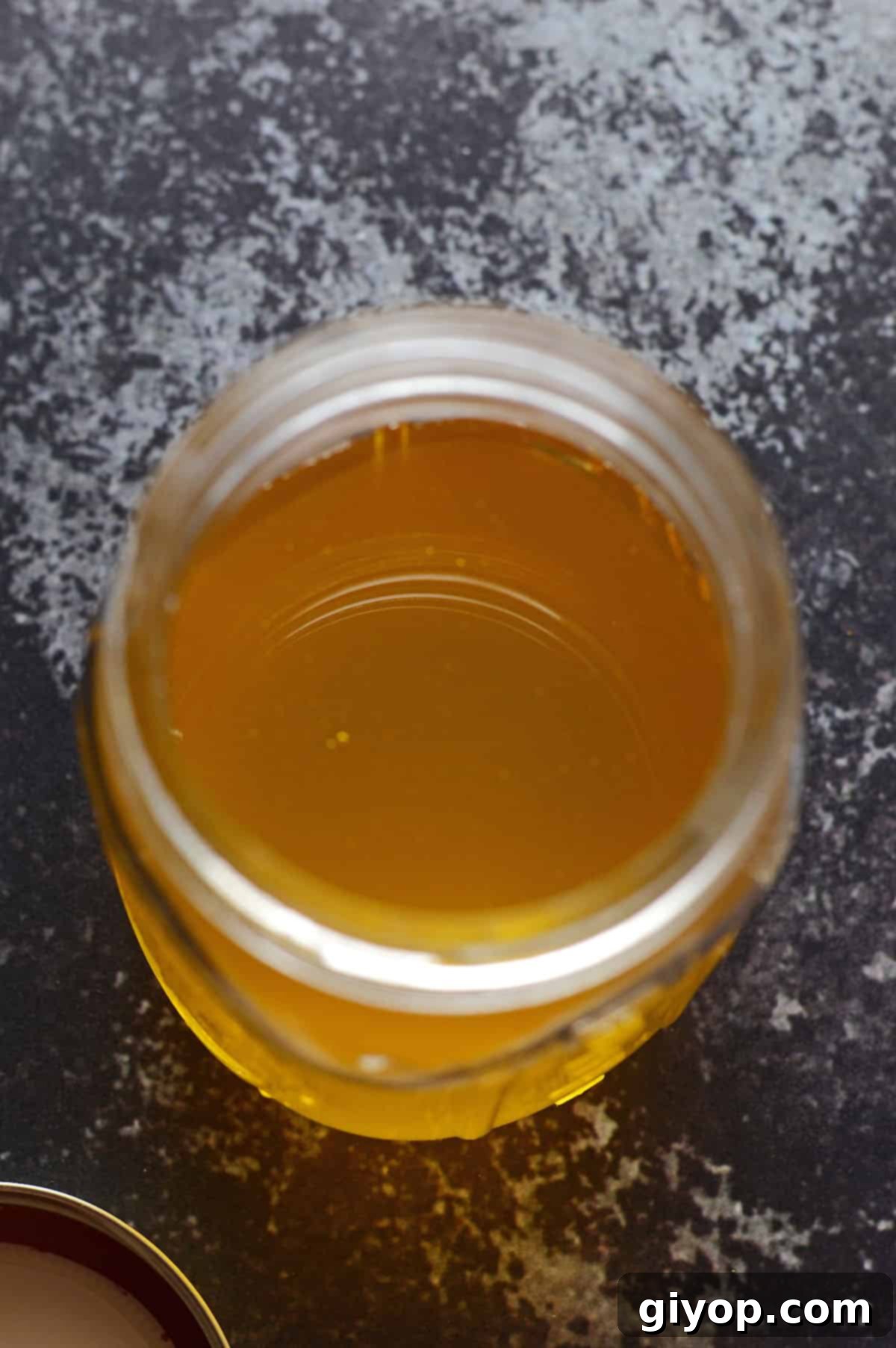
Transforming ordinary butter into golden, aromatic ghee is a culinary art that is surprisingly simple to master at home. This comprehensive guide will walk you through the process of quickly clarifying butter to yield this versatile, nutty liquid gold. Ghee, a staple in many kitchens across the Middle East and Indian subcontinent, is renowned for its rich flavor and high smoke point, making it an indispensable ingredient for both savory and sweet dishes. From elevating the taste of traditional basbousa to enhancing everyday cooking, homemade ghee promises a depth of flavor that store-bought butter simply can’t replicate.
While traditional ghee making can be a lengthy process, often requiring hours of simmering over a very low flame, this method focuses on speed and efficiency, allowing you to achieve perfect, flavorful ghee in a fraction of the time. Get ready to embark on a journey that will not only enrich your cooking but also connect you to age-old culinary traditions.
Why You’ll Love Making Homemade Ghee
Making ghee from butter is more than just a recipe; it’s a cherished skill passed down through generations in many cultures. For me, and countless others in the Middle East, the sight and smell of a mother or grandmother making ghee is a fond memory. This golden elixir is not merely a cooking fat; it’s an essential ingredient that imparts an unparalleled aroma and depth of flavor to authentic Middle Eastern desserts and savory dishes alike. In Egypt, for instance, ghee is traditionally made from white butter, though the golden varieties work just as beautifully.
The fundamental principle behind creating ghee is the clarification of butter. This involves gently heating butter to separate and remove its water content and milk solids, leaving behind pure butterfat. This process transforms regular butter into a more stable, intensely flavored, and versatile cooking medium. The traditional method, which requires slow simmering for 3-4 hours depending on the quantity, develops a deep, rich flavor profile. However, this guide introduces a quicker approach, allowing you to produce delicious, nutty, and buttery ghee in approximately 30 minutes, without compromising on quality or taste.
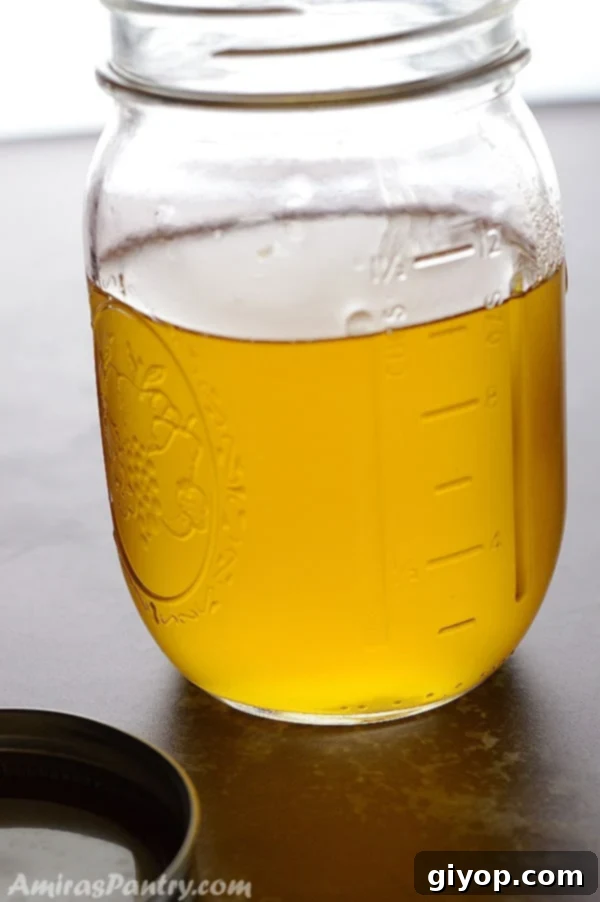
Understanding Ghee: The Golden Elixir
Ghee, often referred to as “liquid gold,” is essentially clarified butter that has been cooked slightly longer to toast the milk solids, imparting a distinct nutty, caramel-like flavor. Unlike regular butter, which contains water, milk solids (lactose and casein), and butterfat, ghee is almost entirely pure butterfat. This purification process has several benefits:
- Higher Smoke Point: With the removal of water and milk solids, ghee boasts a significantly higher smoke point (around 485°F or 252°C) compared to butter (around 302°F or 150°C). This makes it an excellent choice for high-heat cooking methods like sautéing, frying, and roasting, as it’s less likely to burn and produce harmful free radicals.
- Lactose and Casein-Free: Since the milk solids are removed, ghee is often well-tolerated by individuals with lactose intolerance or casein sensitivities, offering a delicious alternative to butter.
- Rich Flavor Profile: The gentle browning of milk solids at the bottom of the pan gives ghee its signature deep, complex, nutty, and slightly sweet flavor that enhances a wide array of dishes.
- Longer Shelf Life: Without water or milk solids, ghee is highly stable and resistant to spoilage, allowing it to be stored at room temperature for extended periods.
Embracing homemade ghee means not only enjoying these benefits but also ensuring the purity and quality of your cooking fat. It’s a foundational ingredient that adds authentic flavor to traditional recipes and elevates everyday meals.
Choosing the Best Butter for Ghee
The quality of your ghee begins with the quality of your butter. For the best results, always opt for high-quality unsalted butter. While any good quality butter will work, some enthusiasts prefer butter made from grass-fed cows, believing it yields a more nutritious and flavorful ghee with a richer golden hue. Unsalted butter is typically recommended because it allows you complete control over the final flavor profile, especially if you plan to use your ghee in both sweet and savory applications. Salted butter can result in a final product that is too salty for desserts or certain delicate dishes.
Before you begin the melting process, it’s highly beneficial to cut the butter into small, uniform cubes, approximately half-inch pieces. This simple step significantly shortens the melting time, ensuring more even heating and a quicker overall process, which is especially important for our accelerated method.
Step-by-Step Guide to Making Ghee at Home
This section provides a detailed, step-by-step guide to making perfect homemade ghee. By following these instructions carefully, you’ll achieve that heavenly golden liquid with a rich, nutty flavor every time.
Step 1: Prepare the Butter and Pot
- Begin by adding your cubed unsalted butter to a heavy-bottomed pot or Dutch oven. The heavy bottom is crucial for even heat distribution, preventing the butter from scorching. Place the pot over medium-low heat. This gentle heat allows the butter to melt gradually without burning, setting the stage for perfectly clarified butter.
Step 2: Melt and Skim the Butter
- After approximately 5-8 minutes, you’ll observe that the butter has fully melted and a layer of white foam has started to form on the surface. This foam consists of the milk proteins separating from the butterfat and water. Using a clean spoon, gently skim off some of this foam from the surface of the melted butter. This action helps you monitor the clarification process more clearly.
Step 3: Reach Clarified Butter Stage
- Continue to simmer the butter gently. Within another minute or two, you’ll notice that the butter beneath the remaining foam appears clear and golden. At this stage, you have successfully created clarified butter. If your recipe only calls for clarified butter, you could stop here. However, to make true ghee with its distinctive nutty flavor, we proceed to the next step.
Step 4: Brown the Milk Solids for Ghee’s Signature Flavor
- As the butter continues to simmer, you will notice milk solids settling at the bottom of the pot. To achieve that coveted butterscotch-like flavor characteristic of ghee, slightly increase the temperature to medium. This is the most crucial stage, requiring your full attention. Watch the pan like a hawk, as the solids can transition from perfectly golden brown to burnt very quickly. The goal is to gently brown these milk solids at the bottom of the pan. Continue to skim any remaining foam or bubbles from the surface occasionally to ensure a clear view of the solids beneath. The popping sound, which indicates water evaporation, will also gradually subside.
Step 5: Cool, Strain, and Store Your Homemade Ghee
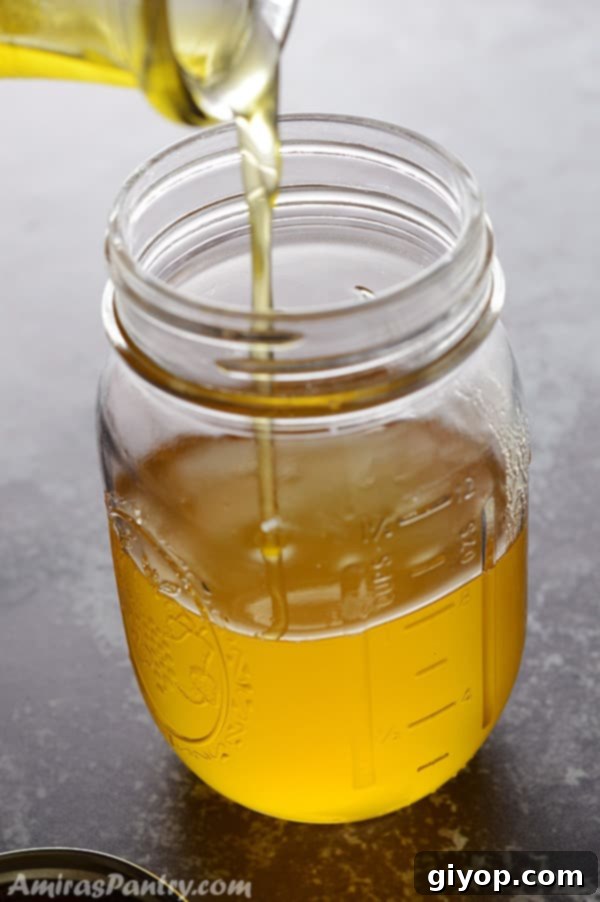
- Once the milk solids at the bottom are golden brown, immediately remove the pot from the heat. Allow the ghee to cool down for a few minutes until it’s safe to handle but still liquid. Carefully strain the warm ghee through a fine-mesh strainer generously lined with cheesecloth or a coffee filter. This step ensures that all the browned milk solids are removed, leaving you with pure, clear ghee. Pour the strained ghee into clean, dry glass jars. It is essential to let the ghee cool completely to room temperature before securing the lids. As it cools, the ghee will solidify into a beautiful opaque, golden, semi-soft consistency.
Expert Tips for Perfect Homemade Ghee
- Quality Butter Matters: Always start with high-quality unsalted butter. The better the butter, the better your ghee will taste. Grass-fed butter, if available, can yield an even richer flavor and color.
- Chop for Speed: Cutting your butter into smaller, uniform cubes (about half an inch) before melting will significantly reduce the heating time and ensure a more even melt.
- Maintain Visibility: Throughout the process, gently skim the foam from the surface using a spoon. This isn’t just for clarity; it allows you to clearly see the butterfat underneath and monitor the browning of the milk solids at the bottom, preventing accidental burning.
- Choose the Right Pot: Using a light-colored pot, such as stainless steel or a light-enameled Dutch oven, is highly recommended. The light interior provides a clear contrast, making it easier to observe the milk solids as they brown at the bottom, which is crucial for perfect ghee.
- Patience for Flavor Development: Initially, your freshly made ghee might have a strong butterscotch note. Don’t worry, this intense aroma will mellow slightly over 2-3 days, evolving into a beautifully balanced, rounded nutty flavor.
- Don’t Waste the Morta: The browned milk solids (known as “Morta” in some Middle Eastern cultures) at the bottom of the pan are a treat! My mother and grandmother would often collect these, perhaps add a dash of salt, and serve them as a savory spread on crusty bread. They are truly heavenly.
- Reinvent the Skimmed Foam: Similarly, don’t discard the foam you skimmed off earlier! A clever tip is to brown this foam slightly in a separate pan and use it as another type of “Morta” spread. It develops a rich, savory taste.
- Sweet Treat with Browned Solids: Another creative way to utilize the browned milk solids is to mix them with a little flour and honey to create a unique, flavorful fudge-like dessert.
Proper Storage for Long-Lasting Ghee
One of the remarkable benefits of ghee is its exceptional shelf stability. Because the water and milk solids (which contribute to spoilage) have been removed, ghee can last for a very long time. For optimal freshness, store your homemade ghee in an airtight container or jar in a cool, dark place, such as the back of your pantry. Unopened jars of ghee can typically be stored this way for up to 1 year. Once opened, jars of ghee can remain at room temperature (away from direct sunlight and heat sources) for about 5-6 months. For even longer preservation, opened jars can be refrigerated, extending their freshness significantly beyond that.
Can You Freeze Ghee?
Absolutely! Ghee is an excellent candidate for freezing, which further extends its already impressive shelf life indefinitely. You can store jars of ghee in your freezer, and it will remain good for a very long time. Personally, I have successfully kept ghee frozen for up to 2 years with no degradation in quality or flavor. Freezing is a fantastic option if you make large batches or want to ensure you always have a fresh supply on hand.
Frequently Asked Questions About Ghee
What is Ghee?
Ghee is a type of clarified butter where the milk solids have been cooked until lightly browned and then strained out, leaving behind pure butterfat. This process gives ghee its characteristic nutty, slightly sweet, and butterscotch-like flavor. It’s a fundamental ingredient in both Indian and Middle Eastern cuisines and is prized for its high smoke point, making it ideal for sautéing, frying, and roasting without burning.
Salted Butter or Unsalted Butter for Ghee?
For making ghee, unsalted butter is generally preferred. This allows you to control the seasoning of your dishes more precisely, especially if you intend to use the ghee in desserts. While some traditions might add a tiny pinch of salt during the process (which typically doesn’t make the final ghee salty due to the small amount and concentration), for most applications, unsalted butter is the way to go. As for brands, use any good quality butter you prefer; it doesn’t necessarily need to be a premium, expensive brand.
So, Can You Clarify Salted Butter?
You can clarify salted butter, but the resulting ghee will retain its salty flavor, limiting its use, especially in sweet recipes like desserts. The distinction between clarified butter and ghee lies in the cooking time. Clarified butter is made by melting butter and skimming the foam until it’s clear, then removing it from heat. Ghee takes this a step further by continuing to cook until the milk solids at the bottom of the pan turn golden brown, which develops its distinct nutty aroma and taste.
How to Know That Ghee is Done?
Ghee is quite forgiving, so don’t stress too much about perfect timing, just ensure you don’t burn it. There are two primary indicators that your ghee is ready: Firstly, all the milk solids will have sunk to the bottom of the pot and should be a lovely golden brown color. Secondly, the popping or sizzling sound, which signals the evaporation of water, will have completely subsided, indicating that almost all moisture has been removed from the butterfat.
How Much Ghee Do You Get from a Pound of Butter?
The yield can vary slightly depending on the specific butter brand and its water content. However, on average, one pound of butter (which typically equals 2 cups or 4 sticks) will yield approximately 1.5 cups of pure, homemade ghee.
How Long Does Homemade Ghee Last?
The longevity of homemade ghee is truly impressive! My grandmother, for example, would melt large quantities (around 20 kilograms) of butter at once, storing them in giant glass containers in her pantry without refrigeration – and it stayed perfectly good. While traditional methods boast near-indefinite shelf life at room temperature, it is generally recommended that homemade ghee be stored for up to 1 year when refrigerated and for about 3 months at room temperature (in a cool, dark place away from direct heat and sunlight). Freezing can extend its shelf life even further, virtually forever, with my personal experience confirming it stays excellent for at least 2 years.
Culinary Uses for Ghee: Beyond Butter
Ghee’s versatility in the kitchen is unmatched, making it a fantastic substitute for butter or other cooking oils in nearly any application. Its high smoke point makes it perfect for high-heat cooking, while its rich, nutty flavor adds incredible depth to both savory and sweet dishes. Here are just a few ways you can incorporate homemade ghee into your cooking:
- Sautéing and Frying: Use ghee for sautéing vegetables, frying eggs, or searing meats. Its flavor complements everything from scrambled eggs to pan-fried fish.
- Roasting: Drizzle melted ghee over roasted vegetables like potatoes, carrots, or broccoli for an irresistible nutty crust. It’s also excellent for roasting chicken or other meats.
- Baking: While butter is often called for, ghee can be used in many baked goods, especially traditional Middle Eastern and Indian desserts, lending a distinct richness and aroma. Think cookies, cakes, and pastries.
- Stir-Frying: Its high smoke point makes it ideal for quick stir-fries, ensuring your ingredients cook evenly without burning.
- Flavor Enhancer: Stir a spoonful of ghee into cooked rice, lentils, soups, or stews just before serving for an immediate flavor boost.
- Toast and Spreads: Enjoy ghee simply spread on warm toast or crusty bread, perhaps with a sprinkle of salt.
Many beloved recipes from Amira’s Pantry already showcase the magic of ghee, including Mediterranean Rice Pilaf, Molokhia, the sweet delights of Basbousa and Kunafa, traditional Egyptian Cookies (Kahk), creamy Egyptian Meammar Rice, savory Stuffed Grape Leaves, and classic Flour Halva. Indeed, a significant number of the most popular Egyptian desserts owe their authentic taste to the generous use of ghee.
Related Recipes to Explore
If you enjoy elevating your cooking with homemade ingredients, you might also like these complementary recipes:
- This recipe for Rosemary Garlic Butter is incredibly flavorful and can be frozen for convenient use whenever you need a boost of savory taste. It pairs wonderfully with roasted vegetables, grilled meats, and fresh bread.
- Infuse your culinary creations with the aromatic essence of homemade Garlic Oil. It’s perfect for drizzling over salads, pasta, vegetables, or brushing onto baked goods for a delightful savory finish.
- Achieve restaurant-quality flavor with this simple Honey Balsamic Glaze. Made with just two ingredients, it beautifully enhances salads, roasted vegetables, chicken, and a wide variety of other dishes.
Essential Equipment for Ghee Making
Making ghee at home requires minimal specialized equipment. The most crucial items you’ll need are:
- Heavy-Bottomed Pot or Dutch Oven: Essential for even heat distribution to prevent scorching.
- Fine Mesh Strainer: For separating the pure ghee from the browned milk solids.
- Cheesecloth or Coffee Filters: To line the strainer for extra fine filtration.
- Glass Jars with Tight Lids: To store your finished ghee. You can find quality glass jars with tight lids on Amazon.
- Heat-Proof Spatula or Spoon: For skimming foam and gentle stirring.
Looking for more kitchen essentials or nostalgic ingredients? Check out Amira’s Pantry Store on Amazon for a curated selection! Your support means the world to us.
If you’ve enjoyed this recipe and found it helpful, please consider leaving a ⭐⭐⭐⭐⭐ star rating and sharing a photo of your finished ghee. We love seeing your culinary creations and how you make our recipes your own. Thank you for being a part of the Amira’s Pantry community!
How to Make Ghee from Butter
Homemade ghee is an incredibly simple and rewarding culinary endeavor. It’s far more economical than store-bought options and offers a superior, nutty flavor that elevates almost any dish you make.
Pin
Rate
Course: Condiment
Cuisine: Indian, Middle East
Diet: Halal
Prep Time: 5 minutes
Cook Time: 20 minutes
Cooling Time: 5 minutes
Total Time: 30 minutes
Servings: 24 Tablespoons
Calories: 136 kcal
Author: Amira
Ingredients
- 1 pound (453 gm) / 2 cups unsalted butter, cut into half-inch pieces.
Instructions
- In a heavy-bottomed skillet or Dutch oven, add the butter cubes and melt the butter over low heat (maintaining a temperature range of 210°F-250°F / 99°C-121°C).
- After approximately 8 minutes, the butter will be fully melted and will begin to foam significantly on the surface. This foam consists of the milk proteins separating.
- Use a spoon to gently remove some of the white foam that rises to the surface. Alternatively, you can carefully stir the surface layer to get a clear view of the butter underneath.
- At this point, the butter will begin to clarify, and some of the milk solids will start to sink towards the bottom of the pot. Ensure the butter maintains a gentle simmer, avoiding a vigorous rolling boil.
- Once the butter appears clear and has taken on a golden hue, slightly increase the temperature to a range of 250°F-280°F (121°C-138°C). Continue cooking until the milk solids settled at the bottom of the pan turn a rich golden brown. This crucial step develops ghee’s signature nutty, butterscotch flavor. Monitor the pan very closely, as this browning process typically takes only 3-5 minutes and can quickly lead to burning.
- Remove the pan from the heat immediately. Allow the ghee to cool slightly until it’s safe to handle but still liquid. Carefully strain the warm ghee through a fine-mesh strainer lined with cheesecloth or a coffee filter into clean, dry glass jars. Let the ghee cool completely to room temperature before sealing the jars with lids. The ghee will solidify as it cools.
Recipe Video
Watch the full recipe video here to see a visual guide on how easily you can make homemade ghee!
Notes
- It is highly recommended to use a light-colored pan, such as stainless steel, as this makes it much easier to observe the milk solids as they brown, helping to prevent burning.
- Please exercise extreme caution when handling hot ghee, as it can reach very high temperatures and cause severe burns.
- For additional detailed tips on storage, usage ideas, and more, please refer to the comprehensive article above.
- Kindly review our nutrition disclaimer policy for important information regarding dietary data.
Nutrition Facts
Serving: 1 Tablespoon | Calories: 136kcal | Carbohydrates: 0.01g | Protein: 0.2g | Fat: 15g | Saturated Fat: 10g | Polyunsaturated Fat: 1g | Monounsaturated Fat: 4g | Trans Fat: 1g | Cholesterol: 41mg | Sodium: 122mg | Potassium: 5mg | Sugar: 0.01g | Vitamin A: 472IU | Calcium: 5mg | Iron: 0.004mg
Tried this Recipe? Pin it for Later!
Mention @AmirasPantry or tag #AmirasPantry!
First published December 2012. Last updated November 14, 2022 with important tips, clear step by step instructions and readability.