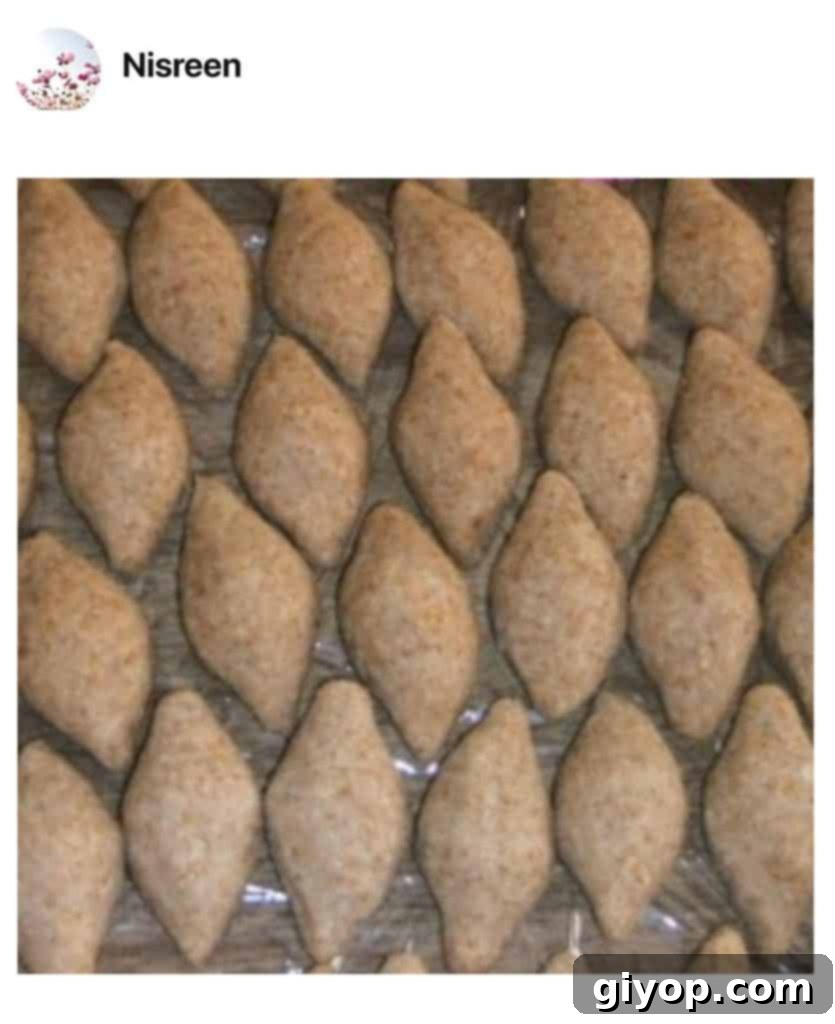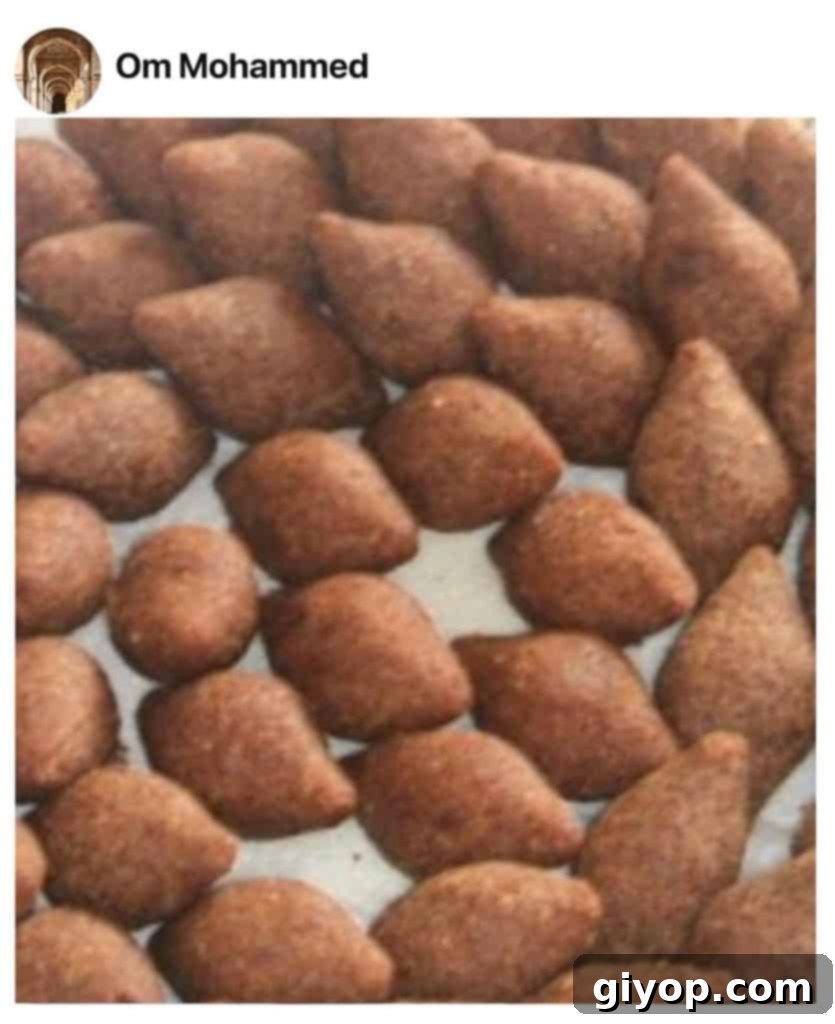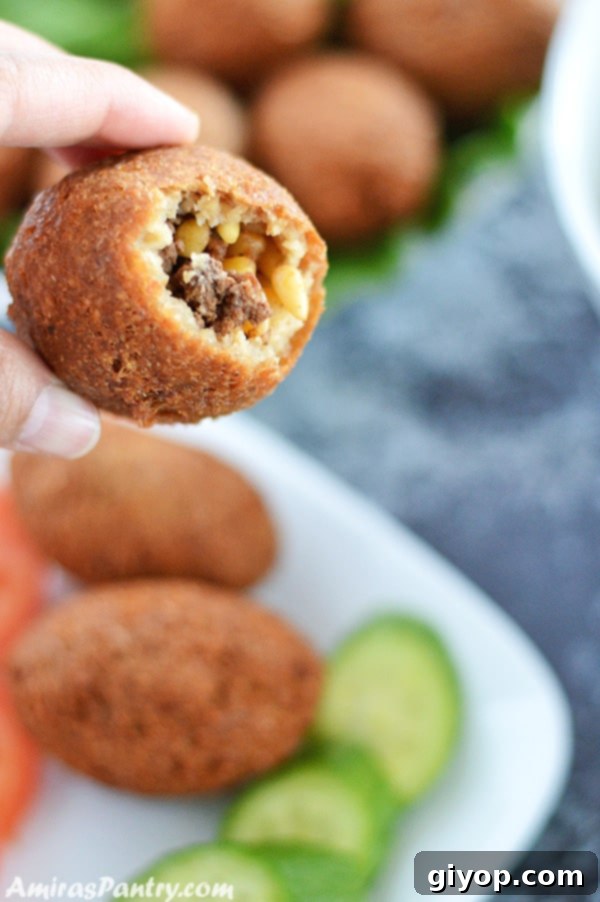
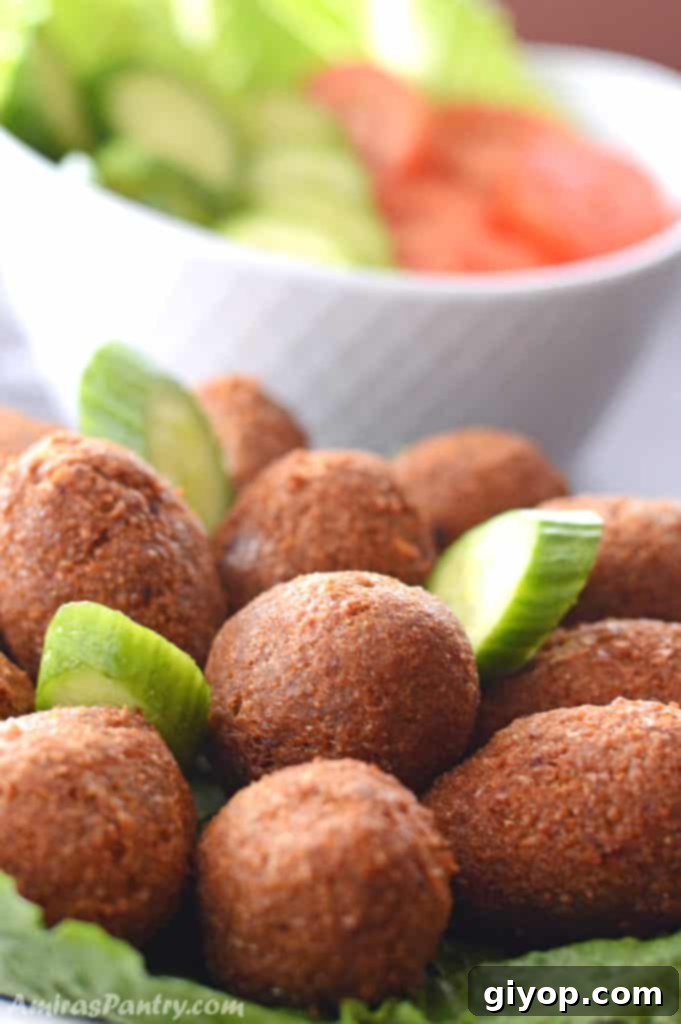
Kibbeh are more than just a dish; they are a culinary celebration, a symphony of textures and flavors. These irresistible nuggets captivate with their distinct crispy outer shell and a rich, succulent meaty filling. Each bite delivers a delightful crunch followed by a tender, aromatic core – a true meat lover’s dream that has won hearts across generations and geographies.
This classic Kibbeh recipe showcases an ingenious approach to meat preparation, essentially featuring a flavorful meat stuffing encased within a delicate bulgur and meat shell. The bulgur wheat is the star ingredient that elevates this dish beyond ordinary meatballs like kofta, imparting a unique texture and depth. Historically, the presence of Kibbeh at a dining table signified a grand occasion or a significant celebration, a testament to its labor-intensive preparation and the premium ingredients required. It was a dish reserved for moments of joy and gathering, making it all the more cherished.
Kibbeh: A Culinary Gem of the Levant
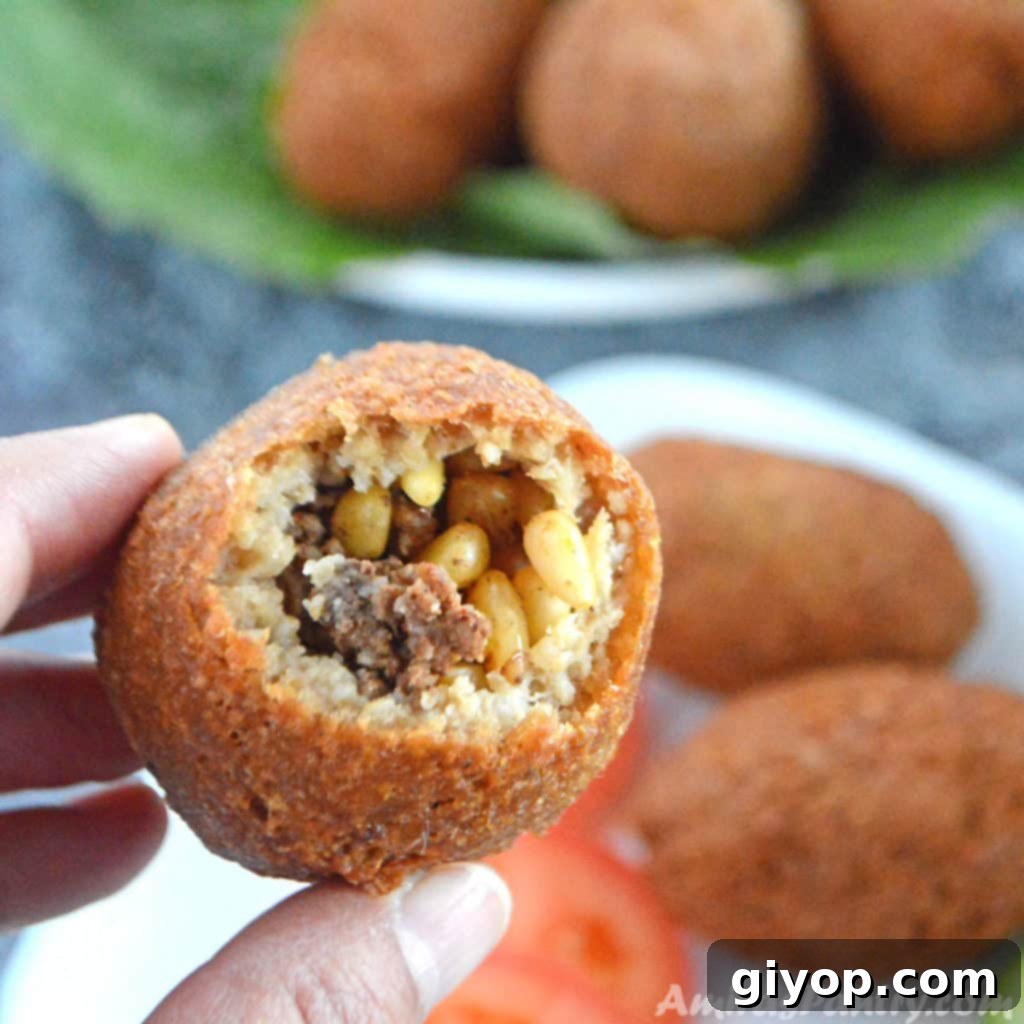
Kibbeh, in its myriad forms—be it raw, fried, broiled, stuffed, or baked, and even vegetarian variations—stands as a cornerstone of Lebanese and Syrian cuisines. Its popularity extends throughout the eastern Mediterranean, embodying the rich gastronomic heritage of the region. The most globally recognized and beloved rendition is the fried croquette, a savory delight that perfectly balances flavor and texture. This iconic dish features a meticulously prepared filling of seasoned ground meat, often mixed with sautéed onions and aromatic pine nuts, all delicately spiced. This luscious filling is then artfully encased within an outer shell crafted from a finely ground mixture of bulgur wheat, onion, and a complementary ground meat.
Traditionally, Kibbeh was prepared using lamb or goat meat, reflecting the prevalent livestock in the region. However, modern culinary trends have seen a rise in its preparation with ground beef, offering a readily available and equally delicious alternative. For those seeking lighter options or different flavor profiles, ground turkey has also emerged as a popular choice, demonstrating the versatility and adaptability of this classic recipe.
A Journey Through Middle Eastern Cuisine: The History of Kibbeh
The origins of Kibbeh are deeply rooted in the ancient culinary traditions of the Levant, a region encompassing modern-day Lebanon, Syria, Jordan, and Palestine. The word “Kibbeh” itself is derived from the Arabic verb “kababa,” meaning “to form into a ball,” which aptly describes its characteristic shape. For centuries, this dish has been more than just sustenance; it has been a symbol of hospitality, celebration, and familial bonds, passed down through generations.
The evolution of Kibbeh is a fascinating reflection of cultural exchange and ingenuity. The use of bulgur wheat, a staple grain in the Middle East, allowed for an economical yet flavorful way to extend precious meat supplies. The painstaking process of pounding the meat and bulgur to achieve a fine, cohesive paste was traditionally done by hand in a mortar and pestle, a labor of love that often involved the entire family. This communal aspect of preparation further solidified Kibbeh’s role as a cornerstone of family life and community gatherings.
Over time, as different regions adopted and adapted the recipe, a rich tapestry of Kibbeh variations emerged, each reflecting local ingredients and preferences. From the sun-drenched coasts to the fertile valleys, Kibbeh became a canvas for culinary creativity, evolving into the diverse forms we know and love today. Its enduring popularity is a testament to its timeless appeal and its deep cultural significance in the heart of Middle Eastern gastronomy.
Kibbeh Varieties: Beyond the Fried Croquette
While the fried croquette version of Kibbeh is undoubtedly the most famous, the world of Kibbeh is incredibly diverse, offering a range of preparations that cater to different tastes and occasions. Exploring these variations provides a deeper appreciation for the versatility of this cherished Middle Eastern dish.
- Kibbeh Nayeh (Raw Kibbeh): This quintessential Lebanese delicacy features finely ground raw lamb or beef kneaded with bulgur, onion, mint, and an array of spices. It’s often served with olive oil, fresh vegetables, and pita bread. The preparation of Kibbeh Nayeh demands the freshest, highest-quality meat and strict hygienic practices, making it a specialty often enjoyed by those with established trust in their local butcher.
- Kibbeh bil Sanieh (Baked Kibbeh): A comforting and hearty casserole, baked Kibbeh consists of two layers of the Kibbeh shell mixture, with a generous layer of spiced ground meat and pine nut filling sandwiched in between. It’s typically scored into diamond shapes before baking and often drizzled with olive oil, offering a less labor-intensive alternative to the fried version.
- Kibbeh Labanieh (Kibbeh in Yogurt Sauce): This delightful variation involves small Kibbeh balls, usually fried or baked, simmered in a creamy, tangy yogurt sauce. The rich, savory Kibbeh contrasts beautifully with the refreshing yogurt, often flavored with garlic and mint. It’s a popular choice for cooler weather or as a main course with rice.
- Kibbeh Sfiha (Mini Kibbeh Tarts): These are open-faced Kibbeh, often resembling small meat pies or tarts. A thin layer of bulgur and meat mixture forms the base, topped with a flavorful ground meat and spice mixture, sometimes with tomatoes or pomegranate molasses. They are baked until golden and served as appetizers or part of a mezze spread.
- Vegetarian Kibbeh: Adapting to modern dietary preferences, vegetarian versions of Kibbeh have also gained popularity. These often use plant-based ingredients for the filling, such as lentils, chickpeas, spinach, or roasted vegetables, still encased in a bulgur shell (sometimes without the meat in the shell itself), offering a delicious and wholesome alternative.
Each type of Kibbeh offers a unique culinary experience, showcasing the incredible adaptability and enduring appeal of this Middle Eastern classic.
Mastering the Classic Fried Kibbeh Recipe
Embarking on the journey of making homemade Kibbeh is a rewarding experience. This section delves into frequently asked questions, essential ingredients, and crucial tips to help you perfect this beloved dish.
Essential Ingredients for Perfect Kibbeh
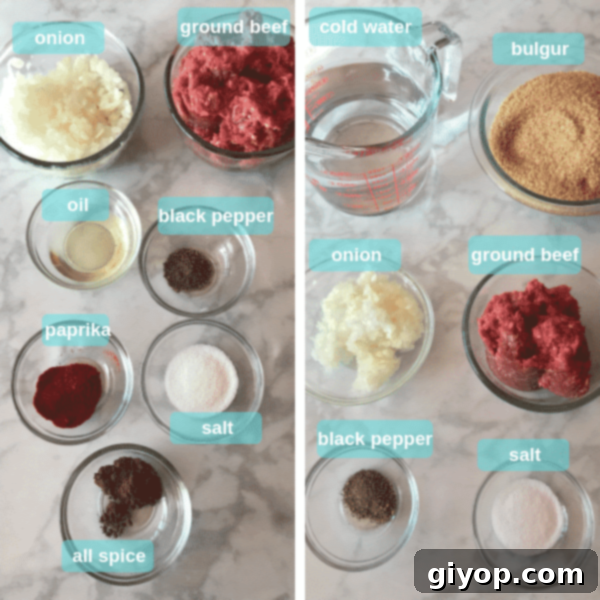
Creating authentic Kibbeh involves two main sets of ingredients: those for the foundational shell and those for the aromatic filling. Understanding each component’s role is key to achieving that exquisite taste and texture. For the outer shell, you’ll need fine bulgur wheat, which provides the distinctive grainy yet tender texture, lean ground meat (traditionally lamb or beef) for structure and flavor, finely diced onion for moisture and a subtle sweetness, and a blend of salt and black pepper to season. The inner filling is a rich blend of ground meat, more diced onion, toasted pine nuts (which add a delightful crunch and buttery flavor), and a medley of Middle Eastern spices like allspice and paprika, ensuring a deeply aromatic and savory core. Quality ingredients are paramount for the best results.
Is Raw Kibbeh Safe? Understanding Kibbeh Nayeh
Kibbeh Nayeh, or raw Kibbeh, is a highly prized and indeed safe dish when prepared with the utmost care and precision. This traditional Lebanese delicacy combines finely ground raw lamb or beef with bulgur, onion, and spices, kneaded with cold water to form a smooth paste. The critical factor for safe consumption lies entirely in the quality and handling of the meat. It is absolutely imperative to use only the freshest, leanest meat, completely free of fat or gristle, and sourced from a butcher you know and trust implicitly. You must explicitly inform your butcher that the meat is intended for raw consumption to ensure they take extra precautions against cross-contamination and use sterile blades. Pre-packaged ground meat from supermarkets is generally not suitable for Kibbeh Nayeh due to varying quality and handling standards.
Serving Kibbeh: Complementary Dishes and Pairings
Kibbeh, with its rich and savory profile, pairs beautifully with a variety of refreshing and complementary side dishes, enhancing the overall dining experience. To cut through the richness and add a vibrant contrast, serve Kibbeh with a crisp Tabouli Salad, a zesty Fattoush Salad, or a cooling Tzatziki sauce (cucumber dip). A simple Tahini dip also makes an excellent accompaniment, offering a nutty, earthy counterpoint. For a light and fresh touch, nothing beats a simple platter of sliced onions, cucumbers, and tomatoes. Additionally, Kibbeh perfectly complements other mezze favorites like stuffed grape leaves, creating a truly authentic Middle Eastern feast.
Expert Tips for Flawless Kibbeh
Crafting perfect Kibbeh requires attention to detail and a few insider tips. Following these recommendations will help ensure your Kibbeh are not only delicious but also hold their shape beautifully during frying.
- Choose Lean Ground Meat: For both the shell and the filling, it is highly recommended to use lean ground meat, ideally 91-93% lean. This prevents the Kibbeh from becoming too greasy and helps the shell maintain its integrity during shaping and frying.
- Mastering the Art of Shaping: Achieving the traditional football shape of Kibbeh requires some practice, but it’s a skill worth developing. While you can initially form a simple ball and then gently reshape it, aiming for consistency in thickness is key. An alternative, simpler method involves creating a rough cup shape, filling it, and then carefully closing and smoothing the ends. While this might yield slightly less uniform shells, the taste will still be exceptional. Regularly dipping your hands in iced water throughout the shaping process helps prevent sticking and keeps the mixture firm.
- The Essential Freeze: Freezing your shaped Kibbeh before frying is considered a “best practice” by experienced cooks. This crucial step helps the Kibbeh firm up, preventing them from breaking apart or popping open in the hot oil. Freezing overnight is ideal for optimal results.
- The Delicate Dance of Frying: Frying Kibbeh can be a delicate process, and even with the best recipe, they can sometimes break or burst if not handled correctly. Proper oil temperature and careful technique are vital. Ensure you use a large enough frying pan or deep pot, filling it no more than two-thirds with oil to prevent overflow when the Kibbeh are added. The oil should be hot enough to create a steady stream of bubbles around a wooden spoon, but not vigorously boiling. Gradually adding the frozen Kibbeh and managing the heat will ensure a perfectly golden and crisp exterior.
- Batch Frying for Best Results: Avoid overcrowding the frying pan. Fry Kibbeh in small batches to maintain a consistent oil temperature. Overcrowding can lower the oil temperature, leading to greasy Kibbeh that may fall apart.
Step-by-Step Guide: Crafting Your Own Kibbeh
Making Kibbeh is a meticulous process, but incredibly rewarding. Follow these detailed steps to create delicious, homemade Kibbeh that will impress everyone.
- **Prepare the Bulgur:** In a deep bowl, combine the fine bulgur wheat with cold water. Ensure the bulgur is completely submerged. Cover the bowl and let it rest for at least 30 minutes. This allows the bulgur to soften and absorb the water, becoming plump and ready for the shell mixture.
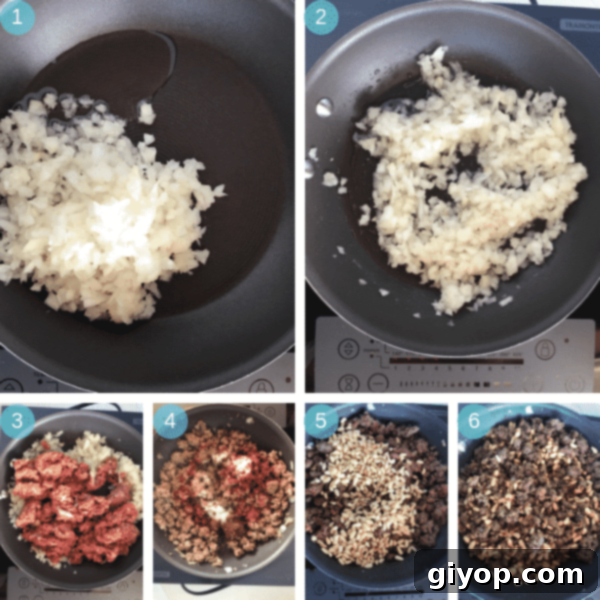
- **Sauté Onions for Filling:** In a non-stick pan, heat a tablespoon of oil over medium-high heat. Add the diced onion and sauté for about two minutes, or until the onions become translucent and fragrant, releasing their natural sweetness.
- **Brown the Meat:** Add the ground meat to the pan with the sautéed onions. Break the meat apart with a spoon as it cooks, ensuring it browns evenly on all sides. Continue until no pink remains.
- **Season the Filling:** Once the meat is thoroughly browned, add the specified spices (allspice, paprika, black pepper) and salt. Mix everything well, tasting and adjusting the salt level to your preference. The spices should be evenly distributed for a balanced flavor.
- **Add Pine Nuts:** Turn off the heat. Stir in the toasted pine nuts. The residual heat will warm them, enhancing their nutty aroma. Mix everything thoroughly until well combined. Set this filling aside to cool completely before proceeding. A cooled filling is crucial for easier shaping.
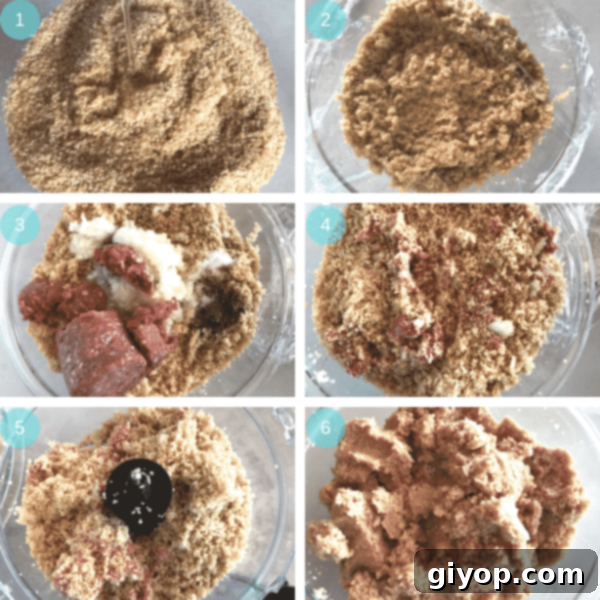
- **Combine Shell Ingredients:** After the bulgur has soaked, add the remaining shell ingredients: diced onion, lean ground meat, salt, and black pepper. Use your hands to thoroughly mix these ingredients with the bulgur until they are well combined and evenly distributed.
- **Process the Shell Mixture:** Transfer the combined shell mixture to a food processor. Process it in batches, adding a couple of tablespoons of cold water with each batch. This helps to achieve a smooth, dough-like consistency. Be sure to scrape down the sides of the bowl frequently to ensure even processing.
- **Achieve Uniform Texture:** Continue processing until the mixture becomes very soft and uniform, resembling a fine paste. You may need to process the entire mixture 2-3 times to achieve the desired consistency. Some prefer to process the ground meat first, then add it to the bulgur and other ingredients before processing again. This ensures a truly homogeneous shell.
- **Chill the Shell Dough:** Once the shell mixture is smooth and uniform, cover it and refrigerate for at least 30 minutes. Chilling makes the dough firmer and easier to handle during the shaping process.
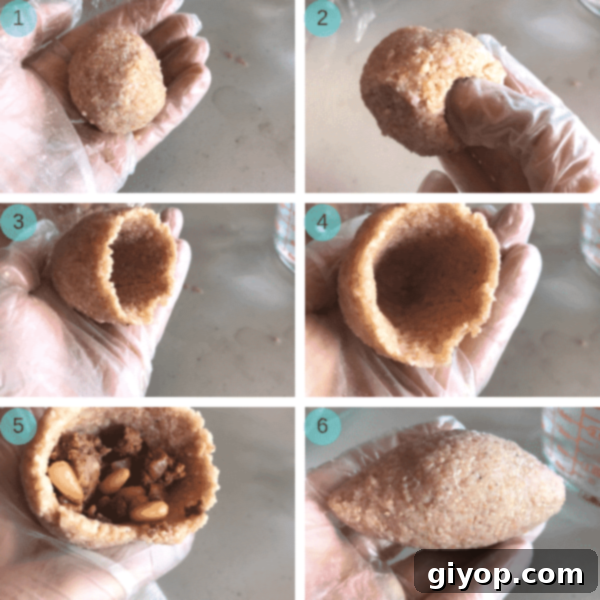
- **Prepare for Shaping:** Have a small bowl of iced water ready for dipping your hands. Line a baking sheet with parchment paper or foil and place it within easy reach.
- **Form the Ball:** Take a portion of the chilled shell mixture, roughly the size of a golf ball (about 3 tablespoons), and roll it smoothly between your palms to form a perfect sphere. Lightly dip your hands in the iced water as needed to prevent sticking and maintain a smooth texture.
- **Create the Cavity:** Hold the ball in one hand. With the index finger of your other hand, gently poke a small hole into one side of the ball, extending your finger towards the center to create a hollow cavity.
- **Widen the Shell:** Continue to roll the ball in your hand while simultaneously pressing with your index finger in a gentle circular motion. This action will gradually widen the hole and thin out the walls of the Kibbeh shell, as demonstrated in step 3 & 4 of the corresponding image. Be careful not to press too hard, as this can cause the shell to tear. If a tear occurs, simply smooth it over with a moistened finger or start over with a fresh piece of dough.
- **Fill the Shell:** Carefully spoon about ¾ teaspoon of the cooled meat and pine nut filling into the hollow cavity of the Kibbeh shell. Avoid overstuffing, as this can make it difficult to seal.
- **Seal and Shape:** Gently pinch the open end of the Kibbeh together to seal the filling completely inside. Using your hands, lightly moistened with iced water, roll and shape the Kibbeh into its characteristic football-like oval form. Ensure all seams are smooth and sealed.
- **Freeze Until Firm:** Place the shaped Kibbeh onto the prepared baking sheet. Repeat the process until all the shell mixture and filling are used. Once all Kibbeh are formed, place the baking sheet in the freezer and freeze until they are completely firm, ideally overnight. This step is crucial for preventing them from breaking during frying.
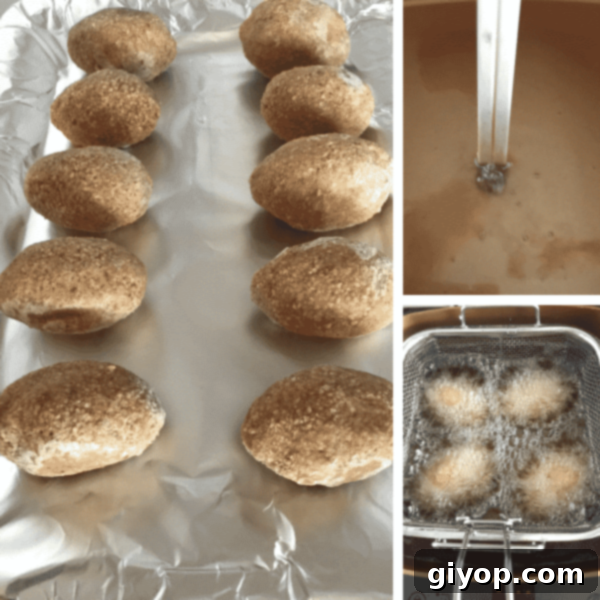
- **Prepare Frying Oil:** When you are ready to cook, select a deep pot or frying pan large enough to comfortably accommodate the Kibbeh without overcrowding. Pour enough oil into the pot to fully submerge the Kibbeh. Do not fill the pot more than two-thirds with oil to prevent bubbling over.
- **Heat the Oil:** Heat the oil over medium-high heat until it reaches between 355°F and 375°F (180°C-190°C). To test if the oil is hot enough, carefully dip the tip of an unpolished wooden spoon or a chopstick into the oil. If a steady stream of bubbles forms around the wood, the oil is ready. If bubbles are too vigorous, the oil is too hot; if no bubbles form, it’s not hot enough.
- **Fry the Kibbeh:** Carefully add the frozen Kibbeh to the hot oil, working in small batches to avoid lowering the oil temperature. Be extremely cautious as the oil is hot and the Kibbeh are frozen. Fry on high heat for approximately 1 minute, or until the exterior achieves a beautiful light brown color and forms a crispy crust.
- **Reduce Heat and Finish Frying:** After the initial minute, reduce the heat to medium (around 340°F / 170°C) and continue frying for an additional 3-4 minutes. This allows the interior to cook thoroughly without burning the exterior.
- **Drain Excess Oil:** Once golden brown and cooked through, use a slotted spoon to transfer the Kibbeh to a plate lined with paper towels to drain any excess oil.
- **Repeat for Remaining Batches:** Before adding the next batch of Kibbeh, increase the heat again for about 30 seconds to bring the oil back to the optimal temperature. Continue frying the remaining Kibbeh in batches following the same steps.
- **Serve Hot:** Serve the freshly fried Kibbeh immediately while they are hot and crispy.
While this recipe is indeed labor-intensive, the exquisite taste and texture of homemade Kibbeh are truly worth every effort. This is also a freezer-friendly recipe, making it perfect for meal prepping. You can make a large batch, freeze the shaped Kibbeh for up to three months, and simply take out and fry as many as you need, whenever a craving strikes. Enjoy every savory bite!
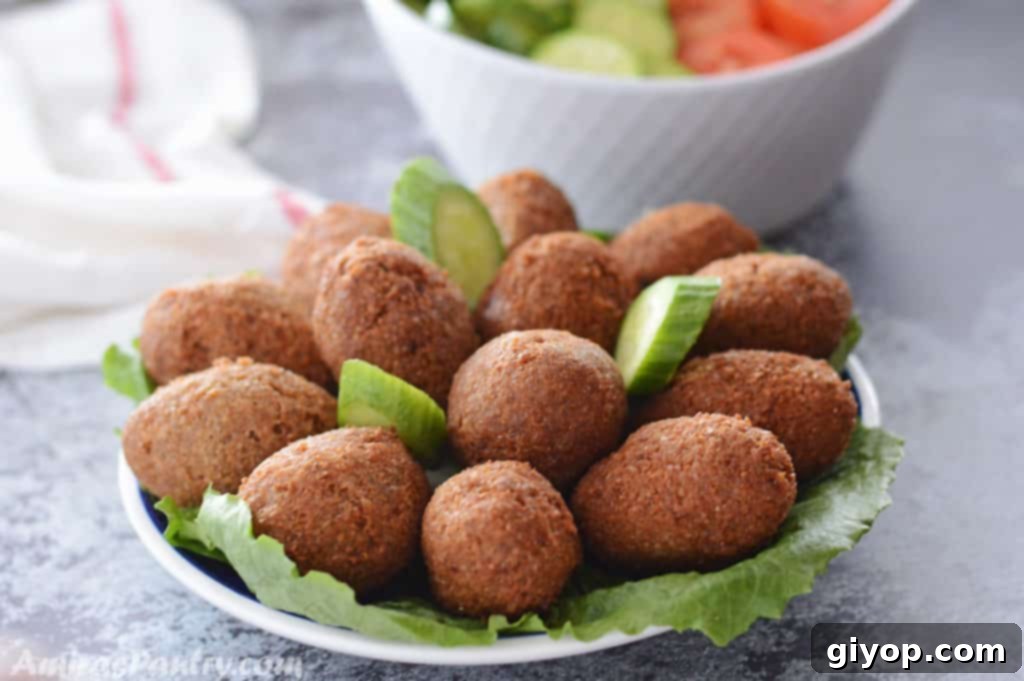
Favorite Accompaniments for Kibbeh
Enhance your Kibbeh experience by serving it alongside these delightful Middle Eastern classics:
- Stuffed Grape Leaves (Dolmades): A wonderful pairing that offers a tangy, savory contrast.
- Tabouli Salad: The refreshing herbs and bulgur in Tabouli perfectly complement the rich flavors of Kibbeh.
- Tzatziki Salad: A cool and creamy cucumber and yogurt dip that provides a lovely balance to the fried Kibbeh.
Classic Fried Kibbeh Recipe
If you’ve enjoyed this recipe, please take a moment to give it a ⭐⭐⭐⭐⭐ star rating and share a photo of your finished dish. It brings immense joy to see your culinary creations and unique interpretations of this beloved recipe. Thank you for being a part of our cooking community!

Kibbeh
Print
Pin
Rate
SaveSaved!
Ingredients
For the Shell:
- 1 pound (454g) #1 fine bulgur wheat, unwashed.
- 1 ½ cups (360mL) cold water.
- ½ pound (227g) lean ground beef or lamb. (Note1).
- 1 ½ teaspoons (10g) salt. or to taste.
- ½ – 1 teaspoon black pepper.
- ½ cup (100g) onion, diced.
- ½ cup + 2 Tablespoons (180mL) water.
For the Filling:
- 2 Tablespoons (30mL) oil. (Note2)
- 1 cup (200g) onion, diced.
- 1 pound (454g) ground beef.
- 1 ½ teaspoons (10g) salt.
- 1 teaspoon (3g) ground allspice.
- ½ teaspoon black pepper.
- 1 ½ teaspoons (4g) paprika.
- ¼ -⅓ cup toasted pine nuts optional. (Note3)
- Iced water for shaping and forming.
- Oil for frying.
Instructions
- In a deep bowl, add bulgur and pour water over. Cover and let it soak for 30 minutes until soft.
Make the Filling:
- In a large skillet over medium heat, add oil and sauté diced onions until translucent and fragrant.
- Add the ground meat, breaking it apart with a spoon, and stir until evenly browned. Season with salt, allspice, paprika, and black pepper, mixing well.
- Turn off the heat and stir in the toasted pine nuts. Set aside to cool completely.
Make the Shell:
- To the soaked bulgur, add the diced onion, lean ground beef (or lamb), salt, and black pepper. Mix thoroughly with your hands until well combined.
- Transfer the mixture to a food processor in batches, adding a couple of tablespoons of cold water with each batch. Process until the mixture is very soft and uniform, scraping down the sides of the bowl as needed.
- Cover the processed shell mixture and refrigerate for 30 minutes to firm it up. (Note 4)
Forming the Kibbeh:
- Fill a measuring cup or small bowl with cold water and add some ice cubes. Keep a baking sheet lined with parchment paper nearby.
- Lightly dip your hands in the iced water. Take about 3 tablespoons of the shell mixture and roll it into a smooth ball, roughly the size of a golf ball.
- Hold the ball in your left hand. Using the index finger of your right hand, gently poke a small hole into one end of the ball, extending your finger towards the center.
- Gently roll the ball in your left hand while pressing your index finger in a circular motion to widen the hole and thin out the walls of the shell.
- Continue this process until the cavity is sufficiently large, ensuring not to press too hard to prevent the shell from breaking or tearing. (Note 5)
- Fill the hollowed shell with about ¾ teaspoon of the cooled meat filling. Do not overstuff.
- Close the open end of the Kibbeh by pinching the edges together. Dip your fingers in iced water regularly to keep them from sticking and to help seal effectively. (Note 6)
- Place the shaped Kibbeh on the prepared baking sheet. Repeat until all the shell mixture and filling are used.
- Cover the baking sheet and refrigerate or freeze the Kibbeh until completely firm. (Note 7)
Frying the Kibbeh:
- In a deep frying pan or pot, add enough oil to cover the Kibbeh when submerged.
- Heat the oil over medium-high heat, aiming for a temperature between 355°F-375°F (180°C-190°C). (Note 8)
- Carefully add the frozen Kibbeh to the hot oil, ensuring not to overcrowd the pan. Be mindful as the oil will be very hot.
- Fry for approximately 1 minute, or until the exterior develops a beautiful light brown color and crispy texture.
- Reduce the heat to medium (around 340°F / 170°C) and continue frying for another 3-4 minutes to ensure the filling is thoroughly cooked.
- Transfer the fried Kibbeh to a plate lined with paper towels to drain excess oil.
- Before frying the next batch, raise the heat for about 30 seconds to bring the oil back to the optimal temperature, then repeat the frying process.
- Continue until all Kibbeh are fried.
- Serve hot and savor every delicious bite!
Video
A video tutorial for making Kibbeh would typically be embedded here.
Notes
Note 2: Many people enjoy making the filling with butter for added richness; feel free to substitute butter for oil if you prefer.
Note 3: My introduction to Kibbeh included pine nuts, and that’s how I’ve always loved it. However, you can certainly make it plain, or use walnuts as a popular alternative.
Note 4: I personally found the shell mixture easy to handle immediately after processing, so I did not always feel the need to refrigerate it. However, if you find it too sticky or soft, chilling for 30 minutes will help.
Note 5: If the Kibbeh shell breaks or tears during shaping, don’t worry—simply start over with a fresh piece of dough. If you consistently struggle to roll the Kibbeh without the walls breaking, it might indicate the dough needs a bit more moisture. You can try taking a small portion of the shell dough, kneading in about 1 teaspoon of cold water, and then attempting to shape it again.
Note 6: The method described in the instructions is the traditional way of shaping Kibbeh. An easier alternative is to form a rough cup with ¼-inch thick sides, spoon in the filling, then gently close the ball and shape it into the characteristic football or baseball form. While this method is quicker, I’ve observed that it can sometimes result in uneven shell thickness, with some parts being thicker than others.
Note 7: I was taught that freezing Kibbeh overnight is the best way to ensure they fry well without opening in hot oil, and this has always proven successful for me. Some experienced cooks suggest that refrigeration until firm is sufficient, but freezing provides an extra layer of assurance.
Note 8: To accurately gauge if your oil has reached the perfect frying temperature, dip the tip of an unvarnished wooden spoon or a bamboo chopstick into the oil. If the oil is adequately hot, you will see a steady stream of moderate bubbles forming around the wood. If the bubbles are extremely vigorous, the oil is too hot and needs to cool slightly; if no bubbles appear, the oil needs more time to heat up.
Serving Suggestions: Serve your delicious Kibbeh with tzatziki sauce, tabouli, tahini dip, or fattoush. A simple side of sliced onion, cucumber, and tomato also works wonderfully. It also pairs exceptionally well with stuffed grape leaves.
Disclaimer: Please check the nutrition disclaimer policy for detailed information.
Important Note: The estimated time calculated for this recipe does not include the freezing or frying duration.